THE ADVENTURE COLLECTIVE® · Independent discovery and booking for outdoor travel

Travel upriver to Refugio Amazonas for a three-day lodge stay inside Tambopata National Reserve. Expect guided hikes, clay-lick birdwatching, nocturnal walks, and hands-on citizen-science opportunities that connect you with the Amazon’s richest wildlife.
Travel upriver to Refugio Amazonas for a three-day lodge stay inside Tambopata National Reserve. Expect guided hikes, clay-lick birdwatching, nocturnal walks, and hands-on citizen-science opportunities that connect you with the Amazon’s richest wildlife.
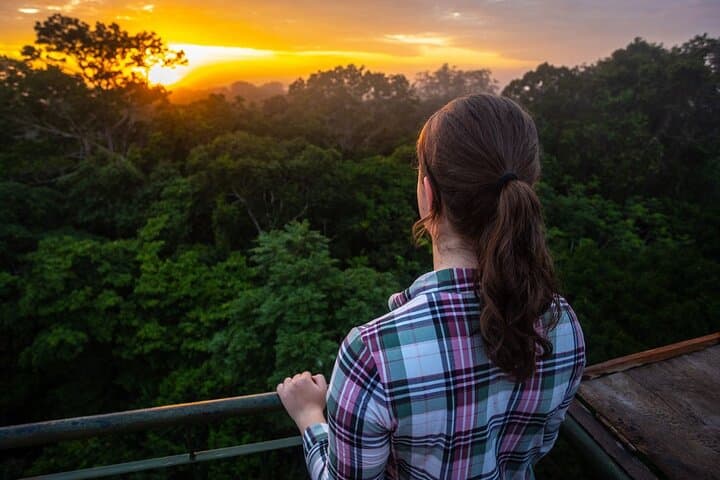
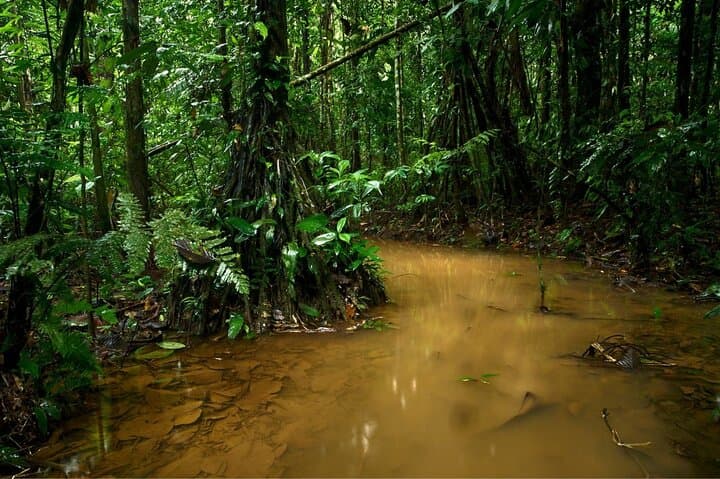
Morning fog lifts off the Madre de Dios and the river pushes you upriver toward the lodge; palms and emergent canopy slide by like a slow, living map. At Refugio Amazonas, trails cut through terra firme forest where the air tastes of wet soil and green. You arrive by boat, deposit your daypack, and set out on narrow paths that slope into gullies, cross root-strewn ground, and climb to viewing platforms where macaws wheel like bright punctuation.
Verified experiences and guided adventures in the surrounding area.
Operated by VIPAC Travel · Puerto Maldonado, Madre de Dios
Morning fog lifts off the Madre de Dios and the river pushes you upriver toward the lodge; palms and emergent canopy slide by like a slow, living map. At Refugio Amazonas, trails cut through terra firme forest where the air tastes of wet soil and green. You arrive by boat, deposit your daypack, and set out on narrow paths that slope into gullies, cross root-strewn ground, and climb to viewing platforms where macaws wheel like bright punctuation.
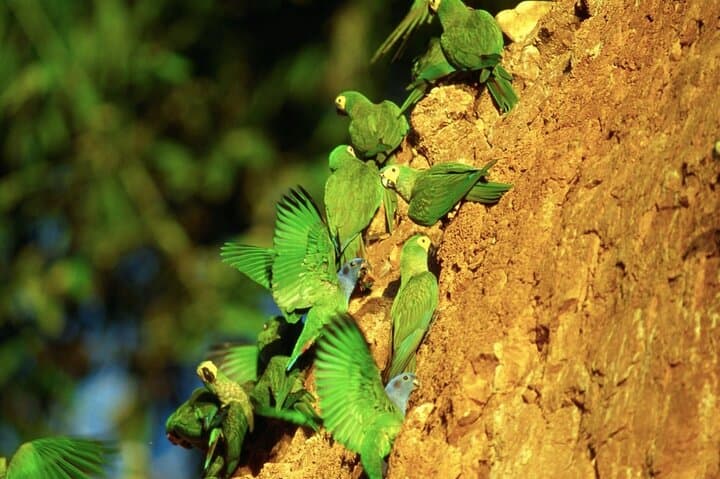
Tambopata National Reserve sits on the eastern edge of the Andes’ influence—old alluvial plains and river channels built by millennia of sediment. The region’s biodiversity reflects that geology: soils that feed dense growth and, in places, mineral-rich clay licks that lure macaws and parrots. The lodge has a history as an ecotourism and citizen-science hub, working with local communities and researchers to track wildlife and preserve habitat.
Expect guided day hikes, nocturnal wildlife walks, canoe trips, and brief cultural exchanges with local guides who explain medicinal plants and forest management. Trails are damp, roots common, and wildlife encounters often subtle—listen for capuchins, watch the river for otters, and rise before dawn for the most active birdlife.
Practical guidance: pack lightweight waterproofs, sturdy treaded shoes, insect repellent, and a small daypack with water and a headlamp. Charge electronics before leaving Puerto Maldonado—power at jungle lodges can be limited—and budget extra cash for guide gratuities and small local purchases. Three days here is equal parts patient observation and easy, wet-weather adventure.
moderate.
3 days.
Moderate fitness—several short hikes on uneven, humid trails and occasional canoe transfers; able to walk 3–6 miles total per day.
Most travelers fly into Puerto Maldonado, transfer by vehicle to the river port, then take a scheduled boat upriver to the lodge—transfers are typically included.
Yes—Refugio Amazonas offers family-friendly activities, but expect humid conditions and basic accommodation; children should be supervised on trails and near water.
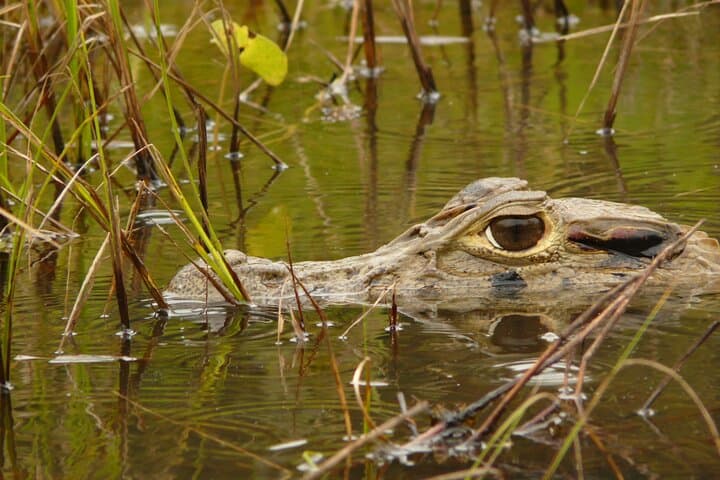
Common sightings include macaws at clay licks, capuchin monkeys, toucans, and river otters; sightings are never guaranteed but guides know the best viewing times and spots.
Yellow fever vaccination is recommended for parts of the Peruvian Amazon and many travelers carry antimalarial advice—consult your travel clinic well before departure.
Tambopata’s protected areas expanded in the late 20th century to curb logging and mining; lodges like Refugio Amazonas developed partnerships with researchers and local communities.
The lodge participates in citizen-science and sustainable tourism programs; visitors are encouraged to minimize single-use plastics and respect wildlife viewing distances.
VIPAC Travel operates guided outdoor trips and adventures with an emphasis on safety, stewardship, and memorable experiences.
Morning fog lifts off the Madre de Dios and the river pushes you upriver toward the lodge; palms and emergent canopy slide by like a slow, living map. At Refugio Amazonas, trails cut through terra firme forest where the air tastes of wet soil and green. You arrive by boat, deposit your daypack, and set out on narrow paths that slope into gullies, cross root-strewn ground, and climb to viewing platforms where macaws wheel like bright punctuation.
Morning fog lifts off the Madre de Dios and the river pushes you upriver toward the lodge; palms and emergent canopy slide by like a slow, living map. At Refugio Amazonas, trails cut through terra firme forest where the air tastes of wet soil and green. You arrive by boat, deposit your daypack, and set out on narrow paths that slope into gullies, cross root-strewn ground, and climb to viewing platforms where macaws wheel like bright punctuation.
Tambopata National Reserve sits on the eastern edge of the Andes’ influence—old alluvial plains and river channels built by millennia of sediment. The region’s biodiversity reflects that geology: soils that feed dense growth and, in places, mineral-rich clay licks that lure macaws and parrots. The lodge has a history as an ecotourism and citizen-science hub, working with local communities and researchers to track wildlife and preserve habitat.
Expect guided day hikes, nocturnal wildlife walks, canoe trips, and brief cultural exchanges with local guides who explain medicinal plants and forest management. Trails are damp, roots common, and wildlife encounters often subtle—listen for capuchins, watch the river for otters, and rise before dawn for the most active birdlife.
Practical guidance: pack lightweight waterproofs, sturdy treaded shoes, insect repellent, and a small daypack with water and a headlamp. Charge electronics before leaving Puerto Maldonado—power at jungle lodges can be limited—and budget extra cash for guide gratuities and small local purchases. Three days here is equal parts patient observation and easy, wet-weather adventure.