THE ADVENTURE COLLECTIVE® · Independent discovery and booking for outdoor travel

Swap Delhi’s bustle for dry forest and granite outcrops on a three-day Ranthambore safari. This guided package pairs morning and afternoon game drives with local accommodation and transfers—ideal for first-time tiger-watchers seeking structured, impactful wildlife viewing.
Swap Delhi’s bustle for dry forest and granite outcrops on a three-day Ranthambore safari. This guided package pairs morning and afternoon game drives with local accommodation and transfers—ideal for first-time tiger-watchers seeking structured, impactful wildlife viewing.
The engine settles as the jeep pushes through the gravel gate and the dry grasses of Ranthambore lean in to watch. Early light slices between flat-topped sal trees; an occasional boulder throws a long shadow that could hide a whisker. On a typical three-day itinerary from Delhi, travelers trade urban noise for the measured patience of the forest, arriving in Sawai Madhopur and heading straight for the park’s mosaic of scrub, rocky hills, and seasonal lakes.
Verified experiences and guided adventures in the surrounding area.
Operated by Travel Creators Of India · Sawai Madhopur, Rajasthan
The engine settles as the jeep pushes through the gravel gate and the dry grasses of Ranthambore lean in to watch. Early light slices between flat-topped sal trees; an occasional boulder throws a long shadow that could hide a whisker. On a typical three-day itinerary from Delhi, travelers trade urban noise for the measured patience of the forest, arriving in Sawai Madhopur and heading straight for the park’s mosaic of scrub, rocky hills, and seasonal lakes.
Ranthambore was once a royal hunting ground for the Maharajas of Jaipur before becoming a protected area and later a designated tiger reserve under India’s conservation programs. Geologically, the reserve sits on ancient rocky outcrops punctuating a mostly flat, dry-deciduous landscape—features that create natural tiger vantage points and lend the park its famously dramatic sightings. Local culture around Sawai Madhopur mixes Rajasthani hospitality, small village markets, and food shaped by centuries of land and trade.
Practically, the trip runs on morning and afternoon safaris—each roughly three hours—booked as shared jeep or canter drives. The park closes during the monsoon (July–September), and drives from Delhi take about five hours by private AC car. Expect dust, early starts, and long waits at waterholes; patience rewards with crepuscular animals rather than guaranteed encounters. Bring neutral clothing, a good telephoto lens or binoculars, water, and layered clothing for chilly pre-dawn hours. Guides and park rules govern routes and distances—respect them for both safety and conservation. With thoughtful planning, the Ranthambore experience pairs quiet adrenaline with meaningful wildlife viewing.
easy.
3 days.
Suitable for all fitness levels; tours require short periods of standing and entry/exit from vehicles
No—tigers are wild and sightings can’t be guaranteed; mornings and late afternoons offer the highest probability, and experienced guides improve odds.
Ranthambore typically closes during the monsoon, roughly 1 July through September; always confirm current dates before booking.
Safaris are conducted in shared open jeeps or larger canters; booking materials should state whether rides are shared or private.
Park entry and safari permits are handled through the tour provider or at booking time; carry ID as required by park regulations.
The area served as hunting grounds for Jaipur’s rulers and later became a protected reserve as conservation policies evolved in the 20th century.
Ranthambore participates in national tiger conservation efforts and visitor behavior is regulated to limit disturbance; follow guide instructions and avoid single-use plastics.
Travel Creators Of India operates guided outdoor trips and adventures with an emphasis on safety, stewardship, and memorable experiences.
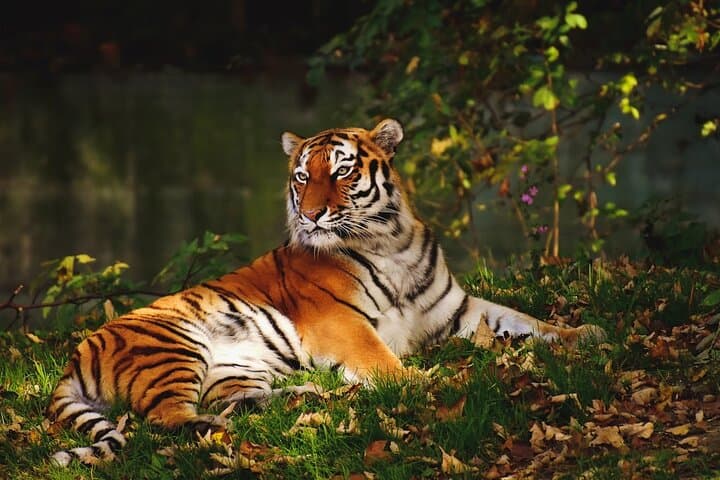

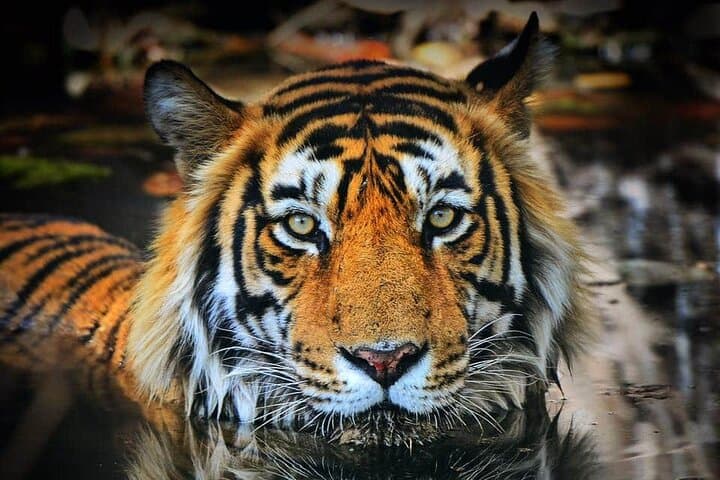
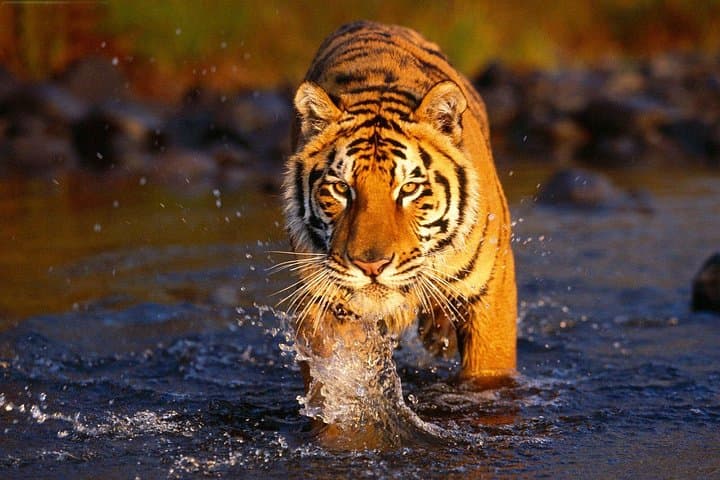
The engine settles as the jeep pushes through the gravel gate and the dry grasses of Ranthambore lean in to watch. Early light slices between flat-topped sal trees; an occasional boulder throws a long shadow that could hide a whisker. On a typical three-day itinerary from Delhi, travelers trade urban noise for the measured patience of the forest, arriving in Sawai Madhopur and heading straight for the park’s mosaic of scrub, rocky hills, and seasonal lakes.
The engine settles as the jeep pushes through the gravel gate and the dry grasses of Ranthambore lean in to watch. Early light slices between flat-topped sal trees; an occasional boulder throws a long shadow that could hide a whisker. On a typical three-day itinerary from Delhi, travelers trade urban noise for the measured patience of the forest, arriving in Sawai Madhopur and heading straight for the park’s mosaic of scrub, rocky hills, and seasonal lakes.
Ranthambore was once a royal hunting ground for the Maharajas of Jaipur before becoming a protected area and later a designated tiger reserve under India’s conservation programs. Geologically, the reserve sits on ancient rocky outcrops punctuating a mostly flat, dry-deciduous landscape—features that create natural tiger vantage points and lend the park its famously dramatic sightings. Local culture around Sawai Madhopur mixes Rajasthani hospitality, small village markets, and food shaped by centuries of land and trade.
Practically, the trip runs on morning and afternoon safaris—each roughly three hours—booked as shared jeep or canter drives. The park closes during the monsoon (July–September), and drives from Delhi take about five hours by private AC car. Expect dust, early starts, and long waits at waterholes; patience rewards with crepuscular animals rather than guaranteed encounters. Bring neutral clothing, a good telephoto lens or binoculars, water, and layered clothing for chilly pre-dawn hours. Guides and park rules govern routes and distances—respect them for both safety and conservation. With thoughtful planning, the Ranthambore experience pairs quiet adrenaline with meaningful wildlife viewing.