THE ADVENTURE COLLECTIVE® · Independent discovery and booking for outdoor travel

A compact 3-day trek from Hunza to Rakaposhi Base Camp (Tagha Phari) offers dramatic glacier viewpoints and close-range views of the 7,788 m peak. Expect 4–6 hour hiking days, tent camping, and variable high-alpine weather—ideal for fit trekkers seeking big-mountain scenery without technical climbing.
A compact 3-day trek from Hunza to Rakaposhi Base Camp (Tagha Phari) offers dramatic glacier viewpoints and close-range views of the 7,788 m peak. Expect 4–6 hour hiking days, tent camping, and variable high-alpine weather—ideal for fit trekkers seeking big-mountain scenery without technical climbing.
A high valley dawn in Hunza—lamplight on stone houses, tea steaming beside a driver’s map—sets the tone before the road bites into the Karakoram slope. You drive to Minapin, then step onto a trail that climbs through fir and juniper, the path punctuated by river crossings and terraces that seem to defy gravity.
Verified experiences and guided adventures in the surrounding area.
Operated by Harappa Tour & Travel · Karimabad, Gilgit-Baltistan
A high valley dawn in Hunza—lamplight on stone houses, tea steaming beside a driver’s map—sets the tone before the road bites into the Karakoram slope. You drive to Minapin, then step onto a trail that climbs through fir and juniper, the path punctuated by river crossings and terraces that seem to defy gravity.
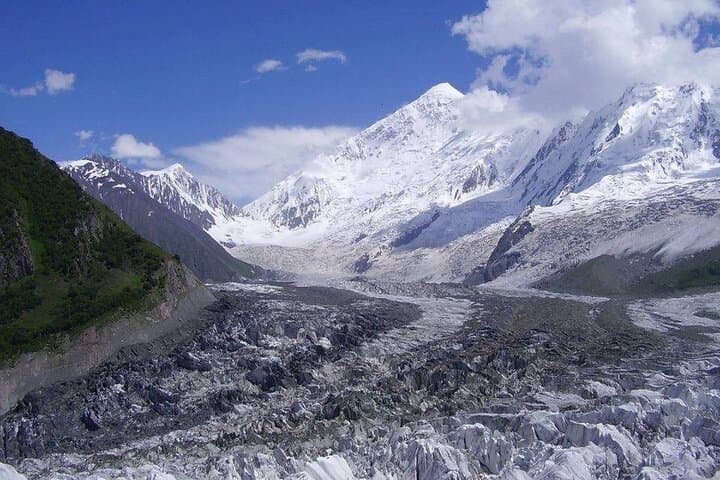
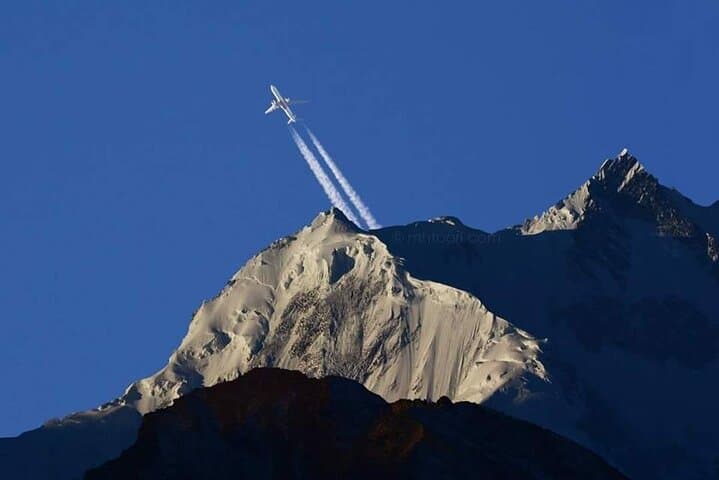
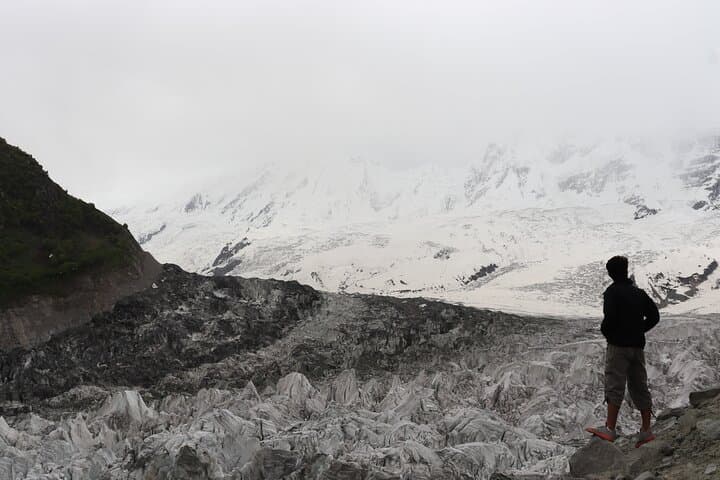
Rakaposhi (7,788 m) dominates the skyline here; the massif’s fluted glaciers and steep granite faces reflect a young mountain range still rising. The route follows moraine-fed streams up through Hapakun campsite to Tagha Phari, the informal base camp, where the glacier opens into a broad blue icefield and a viewpoint frames the peak’s north face. Locals from Nagar and Hunza have shepherded these slopes for generations—stone-built settlements, irrigation channels (karez) and seasonal grazing are part of the cultural landscape.
Expect 4–6 hour walking days on uneven, rocky trails with loose scree and occasional snow patches depending on season. Altitude gain is gradual but real—plan for steady pacing, hydration, and sun protection. Nights are in tents at established camps; weather can swing rapidly, so layer and sleep warm. A gentle sunrise trek to the glacier viewpoint rewards early risers with low-angle light and clean air.
Practically: bring a filled daypack, hire a local guide or porter if you’re carrying more than a daypack, and allow time in Hunza to acclimatize before the trek. Mobile signal is patchy; carry cash for local services. For hikers who value big-mountain views without technical climbing, Rakaposhi Base Camp delivers a compact, high-alpine taste of the Karakoram.
challenging.
3 days.
Good cardiovascular fitness and experience with 4–6 hour days on uneven terrain; comfortable carrying a daypack and walking on loose rock.
No—this itinerary reaches the non-technical Tagha Phari base camp and glacier viewpoint; it requires trekking fitness but not mountaineering equipment.
Summer (June–August) offers milder temperatures and minimal snow on the route; late spring and early fall can work but expect cooler nights and possible snow.
Trekking in Nagar/Hunza often requires coordination with local operators; your tour operator usually handles local permissions and park notifications.
Yes—overnight stays on this trip are in tents at established campsites; the operator supplies basic camping gear and group meals as listed.
This route passes through traditional Nagar and Hunza communities that have traded and farmed these valleys for centuries, with stone terracing and village towers reflecting local mountain culture.
Respect local water sources and campsites; stick to established trails, pack out waste, and support local guides to help sustain community-based tourism.
Harappa Tour & Travel operates guided outdoor trips and adventures with an emphasis on safety, stewardship, and memorable experiences.
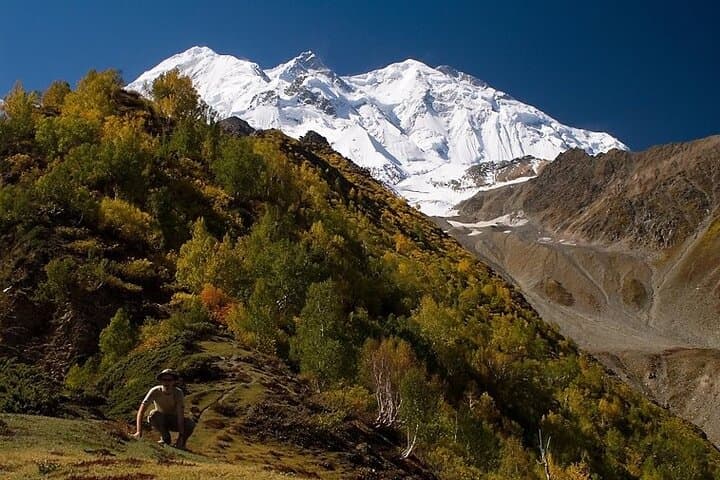
A high valley dawn in Hunza—lamplight on stone houses, tea steaming beside a driver’s map—sets the tone before the road bites into the Karakoram slope. You drive to Minapin, then step onto a trail that climbs through fir and juniper, the path punctuated by river crossings and terraces that seem to defy gravity.
A high valley dawn in Hunza—lamplight on stone houses, tea steaming beside a driver’s map—sets the tone before the road bites into the Karakoram slope. You drive to Minapin, then step onto a trail that climbs through fir and juniper, the path punctuated by river crossings and terraces that seem to defy gravity.
Rakaposhi (7,788 m) dominates the skyline here; the massif’s fluted glaciers and steep granite faces reflect a young mountain range still rising. The route follows moraine-fed streams up through Hapakun campsite to Tagha Phari, the informal base camp, where the glacier opens into a broad blue icefield and a viewpoint frames the peak’s north face. Locals from Nagar and Hunza have shepherded these slopes for generations—stone-built settlements, irrigation channels (karez) and seasonal grazing are part of the cultural landscape.
Expect 4–6 hour walking days on uneven, rocky trails with loose scree and occasional snow patches depending on season. Altitude gain is gradual but real—plan for steady pacing, hydration, and sun protection. Nights are in tents at established camps; weather can swing rapidly, so layer and sleep warm. A gentle sunrise trek to the glacier viewpoint rewards early risers with low-angle light and clean air.
Practically: bring a filled daypack, hire a local guide or porter if you’re carrying more than a daypack, and allow time in Hunza to acclimatize before the trek. Mobile signal is patchy; carry cash for local services. For hikers who value big-mountain views without technical climbing, Rakaposhi Base Camp delivers a compact, high-alpine taste of the Karakoram.