THE ADVENTURE COLLECTIVE® · Independent discovery and booking for outdoor travel

A three-day, guided loop around Quilotoa’s volcanic crater blends high-Andean trekking with visits to Kichwa communities and a lakeside lagoon. Plan for steep, high-altitude terrain, basic lodgings, and strong cultural exchanges.
A three-day, guided loop around Quilotoa’s volcanic crater blends high-Andean trekking with visits to Kichwa communities and a lakeside lagoon. Plan for steep, high-altitude terrain, basic lodgings, and strong cultural exchanges.
The trail begins on the rim at altitude, wind moving across a bowl of emerald water that sits like a small sea inside a volcano. Hikers step off a compacted crater lip into thin air; the path narrows, drops, and rises again, with canyons slicing the horizon and small Kichwa farmhouses appearing at saddle points. Each day brings a different vantage of the Quilotoa caldera and the Andes that formed it.
Verified experiences and guided adventures in the surrounding area.
Operated by Quilotoa Org · Chugchilan, Cotopaxi
The trail begins on the rim at altitude, wind moving across a bowl of emerald water that sits like a small sea inside a volcano. Hikers step off a compacted crater lip into thin air; the path narrows, drops, and rises again, with canyons slicing the horizon and small Kichwa farmhouses appearing at saddle points. Each day brings a different vantage of the Quilotoa caldera and the Andes that formed it.
Quilotoa is a young caldera formed by a violent eruption roughly 800 years ago; the lagoon you see is rain- and groundwater-fed, sitting at about 3,500 m. The route threaded through Chugchilan, Sigchos and small Kichwa communities blends high-Andean páramo, volcanic scree, and shepherded fields. Expect working alpacas, artisan markets, and simple community-run lookouts such as Shalala — a recent local architectural effort that frames the lagoon for visitors.
Practically, this three-day itinerary covers up to 11–12 km on its longest stage, with walking at 3,300–3,930 m and intermittent steep sections of loose volcanic gravel. Guides and a 4x4 support vehicle handle luggage transfers and logistics; accommodations are basic hostels unless upgraded. Allow time for acclimatization in Quito or Latacunga, move deliberately on descents to protect knees, and carry layered insulation for rapid weather swings. Water refill points and community-run services are available, but bring a reliable filter or treatment. Morning light gives the clearest views and firmer trails; afternoons can cloud quickly. For hikers who want culture with their climb, this circuit pairs honest, sustained hiking with direct encounters in living Andean villages.
moderate.
3 days.
Moderately fit: comfortable walking 8–12 km on uneven terrain at high altitude and able to handle sustained climbs/descents
The route reaches roughly 3,900 m; prior acclimatization in Quito or Latacunga is recommended and the pace is moderate with daily guided support.
Basic shared hostel accommodation is included; lunches are often independent and some dinners may be optional—confirm upgrades for private rooms.
Yes—this tour provides a support SUV to transport larger luggage between accommodations so you can hike light.
Yes—the local community offers options like kayaking, short mule rides, motor boat trips, and limited campsite access (fees may apply).
Quilotoa’s caldera formed in a major eruption about 800 years ago; surrounding communities maintain Kichwa traditions and artisanal markets tied to Andean agriculture.
Visitors are encouraged to respect community rules, avoid littering, and use existing trails to limit erosion; local initiatives reinvest tourism fees into trail maintenance and lookouts.
Quilotoa Org operates guided outdoor trips and adventures with an emphasis on safety, stewardship, and memorable experiences.
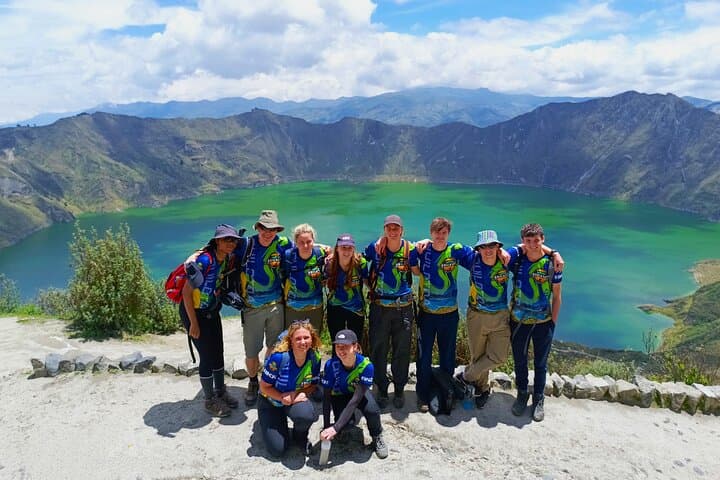
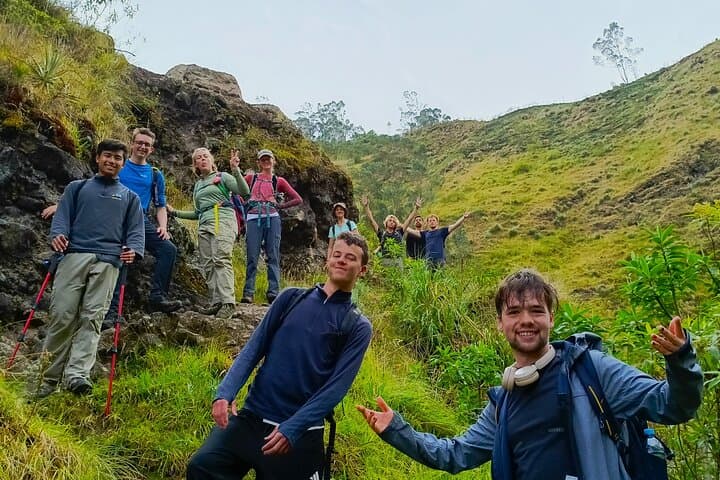
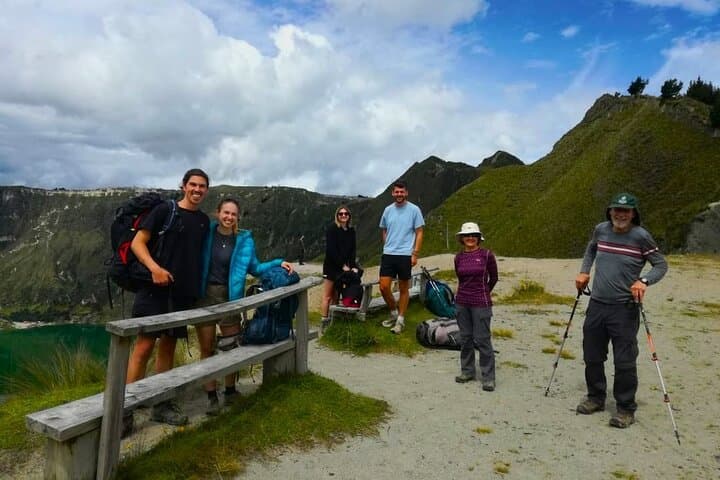
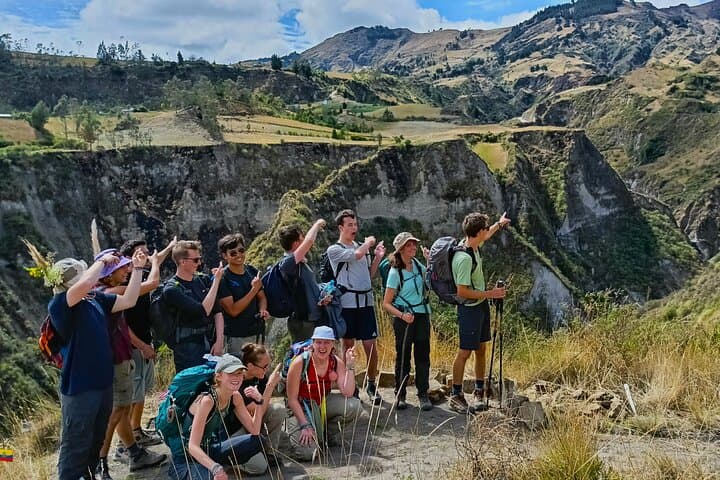
The trail begins on the rim at altitude, wind moving across a bowl of emerald water that sits like a small sea inside a volcano. Hikers step off a compacted crater lip into thin air; the path narrows, drops, and rises again, with canyons slicing the horizon and small Kichwa farmhouses appearing at saddle points. Each day brings a different vantage of the Quilotoa caldera and the Andes that formed it.
The trail begins on the rim at altitude, wind moving across a bowl of emerald water that sits like a small sea inside a volcano. Hikers step off a compacted crater lip into thin air; the path narrows, drops, and rises again, with canyons slicing the horizon and small Kichwa farmhouses appearing at saddle points. Each day brings a different vantage of the Quilotoa caldera and the Andes that formed it.
Quilotoa is a young caldera formed by a violent eruption roughly 800 years ago; the lagoon you see is rain- and groundwater-fed, sitting at about 3,500 m. The route threaded through Chugchilan, Sigchos and small Kichwa communities blends high-Andean páramo, volcanic scree, and shepherded fields. Expect working alpacas, artisan markets, and simple community-run lookouts such as Shalala — a recent local architectural effort that frames the lagoon for visitors.
Practically, this three-day itinerary covers up to 11–12 km on its longest stage, with walking at 3,300–3,930 m and intermittent steep sections of loose volcanic gravel. Guides and a 4x4 support vehicle handle luggage transfers and logistics; accommodations are basic hostels unless upgraded. Allow time for acclimatization in Quito or Latacunga, move deliberately on descents to protect knees, and carry layered insulation for rapid weather swings. Water refill points and community-run services are available, but bring a reliable filter or treatment. Morning light gives the clearest views and firmer trails; afternoons can cloud quickly. For hikers who want culture with their climb, this circuit pairs honest, sustained hiking with direct encounters in living Andean villages.