THE ADVENTURE COLLECTIVE® · Independent discovery and booking for outdoor travel

Follow the routes of Operation Dynamo and Operation Jubilee on a focused three-day private tour from Paris to Dunkirk and Dieppe. Visits include the Dunkirk War Museum, Fort des Dunes and the Dieppe Canadian Memorial, with hotels and transport included.
Follow the routes of Operation Dynamo and Operation Jubilee on a focused three-day private tour from Paris to Dunkirk and Dieppe. Visits include the Dunkirk War Museum, Fort des Dunes and the Dieppe Canadian Memorial, with hotels and transport included.
The morning light off the Channel cuts a silver line as a Mercedes minivan slips out of Paris and into the open highways toward Dunkirk. Gravel wind, wide beaches and low, squat fortifications come into focus—sites where evacuation and raid shaped the course of the war. Over three days the tour moves at a deliberate cadence: beachside walkovers, focused museum time, and cemetery visits where rows of headstones read like a map of Allied sacrifice.
Verified experiences and guided adventures in the surrounding area.
Operated by Destination Normandy - Dominique Fiquet · Dunkirk, Hauts-de-France
The morning light off the Channel cuts a silver line as a Mercedes minivan slips out of Paris and into the open highways toward Dunkirk. Gravel wind, wide beaches and low, squat fortifications come into focus—sites where evacuation and raid shaped the course of the war. Over three days the tour moves at a deliberate cadence: beachside walkovers, focused museum time, and cemetery visits where rows of headstones read like a map of Allied sacrifice.
Geology here is simple but telling—sandy spits, tidal flats and low chalk cliffs at Dieppe that funneled wartime landings and shaped operations. The history is concentrated: Operation Dynamo (May–June 1940) and Operation Jubilee (August 1942) are the bookends, each explained on site with artifacts, maps and photos at the Dunkirk War Museum, Fort des Dunes and Dieppe Canadian Memorial. Local culture reflects maritime and military memory—small museums, commemorative plaques and annual remembrances that preserve testimony from both sides.
Practical guidance: expect long drives (Paris–Dunkirk ~3 hours, Dunkirk–Dieppe ~2.5 hours), several miles of walking on beaches and uneven fort interiors, and two overnight hotel stays included. Wear sturdy footwear for sand and cobbles, bring layered rain gear for coastal winds, and allow extra time for reflection at cemeteries and memorials. Photography is welcome in most museums but follow posted rules. The tour is paced for history lovers who want context as much as sites—bring a notebook, comfortable shoes, and respect for fragile coastal environments.
moderate.
3 days.
Moderate fitness—able to walk several miles over uneven sand, cobbles, and short staircases in forts
Expect several miles of walking spread across museum visits, beachside walks and short site approaches—most segments are short but over varied surfaces.
Yes—entrance fees to listed museums in Dunkirk and Dieppe are included in the tour price.
This private tour provides an English-speaking driver-guide experienced in WWII history and local sites.
Children with an interest in history can participate, but limited mobility travelers should note there are uneven surfaces, sand and stairs; contact the operator to discuss accessibility needs.
The tour focuses on two pivotal WWII operations—Operation Dynamo (the 1940 Dunkirk evacuation of Allied troops) and Operation Jubilee (the 1942 Dieppe raid involving heavy Canadian losses).
Coastal habitats here are sensitive: stick to paths, avoid disturbing dunes and wildlife, and take all trash with you to limit erosion and habitat disturbance.
Destination Normandy - Dominique Fiquet operates guided outdoor trips and adventures with an emphasis on safety, stewardship, and memorable experiences.
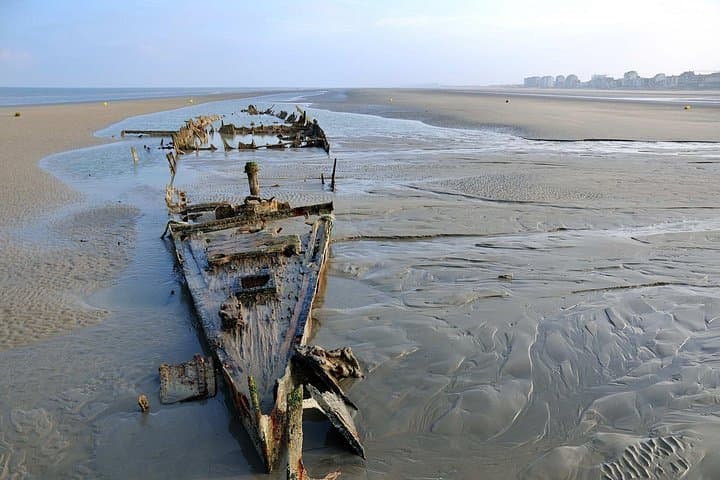
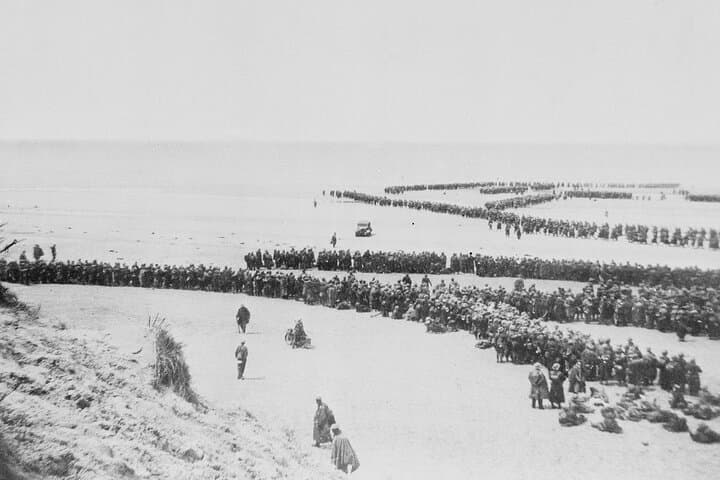
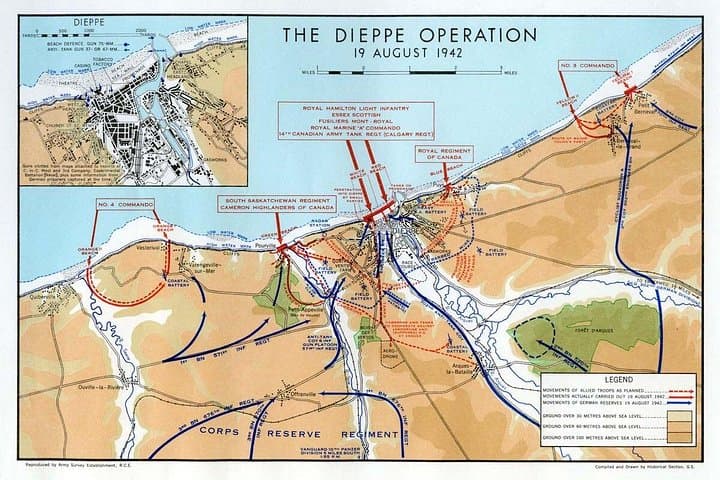
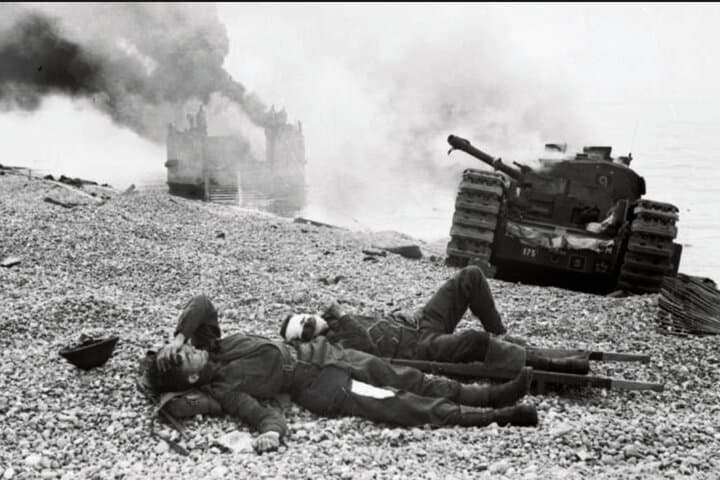
The morning light off the Channel cuts a silver line as a Mercedes minivan slips out of Paris and into the open highways toward Dunkirk. Gravel wind, wide beaches and low, squat fortifications come into focus—sites where evacuation and raid shaped the course of the war. Over three days the tour moves at a deliberate cadence: beachside walkovers, focused museum time, and cemetery visits where rows of headstones read like a map of Allied sacrifice.
The morning light off the Channel cuts a silver line as a Mercedes minivan slips out of Paris and into the open highways toward Dunkirk. Gravel wind, wide beaches and low, squat fortifications come into focus—sites where evacuation and raid shaped the course of the war. Over three days the tour moves at a deliberate cadence: beachside walkovers, focused museum time, and cemetery visits where rows of headstones read like a map of Allied sacrifice.
Geology here is simple but telling—sandy spits, tidal flats and low chalk cliffs at Dieppe that funneled wartime landings and shaped operations. The history is concentrated: Operation Dynamo (May–June 1940) and Operation Jubilee (August 1942) are the bookends, each explained on site with artifacts, maps and photos at the Dunkirk War Museum, Fort des Dunes and Dieppe Canadian Memorial. Local culture reflects maritime and military memory—small museums, commemorative plaques and annual remembrances that preserve testimony from both sides.
Practical guidance: expect long drives (Paris–Dunkirk ~3 hours, Dunkirk–Dieppe ~2.5 hours), several miles of walking on beaches and uneven fort interiors, and two overnight hotel stays included. Wear sturdy footwear for sand and cobbles, bring layered rain gear for coastal winds, and allow extra time for reflection at cemeteries and memorials. Photography is welcome in most museums but follow posted rules. The tour is paced for history lovers who want context as much as sites—bring a notebook, comfortable shoes, and respect for fragile coastal environments.