THE ADVENTURE COLLECTIVE® · Independent discovery and booking for outdoor travel

Three days tracing the red deserts of Wadi Rum and the carved streets of Petra: a private itinerary of jeep tours, scrambling routes and Bedouin camp nights designed for travelers who want time to explore without rushing.
Three days tracing the red deserts of Wadi Rum and the carved streets of Petra: a private itinerary of jeep tours, scrambling routes and Bedouin camp nights designed for travelers who want time to explore without rushing.
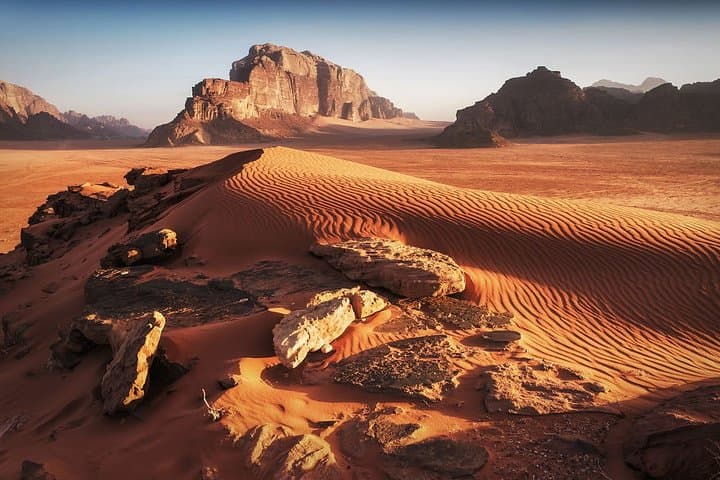
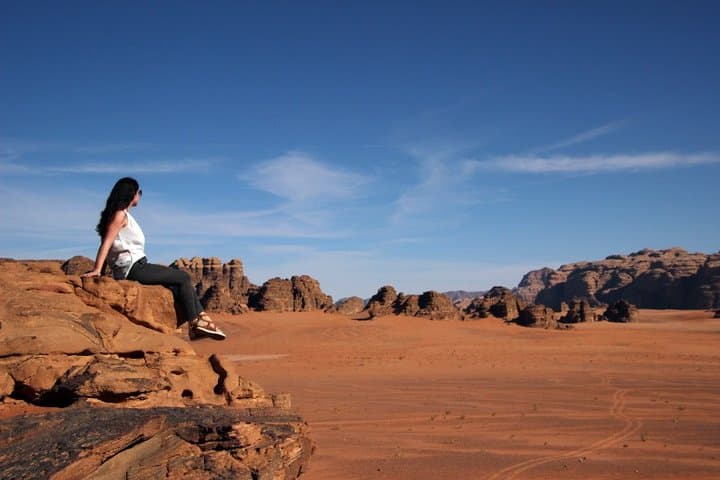
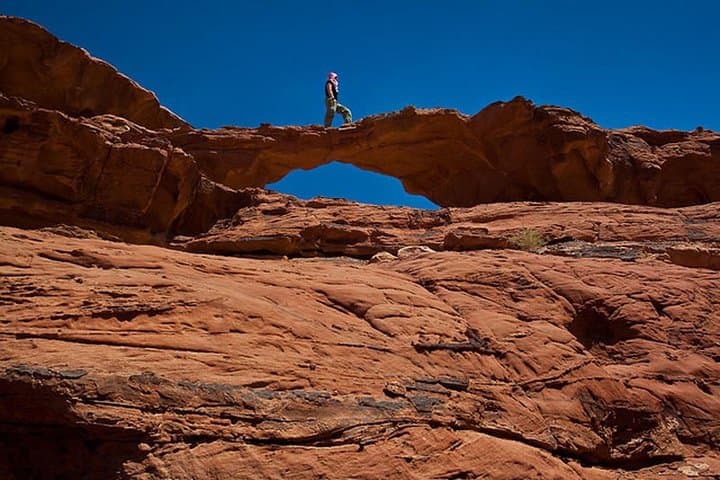
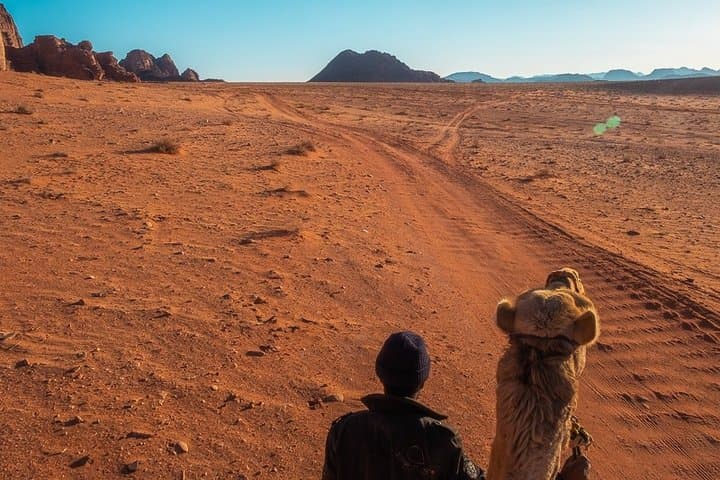
You step out of the vehicle and the desert meets you like a living thing—wind sketching dunes, sandstone walls radiating heat and color. On day one a Bedouin driver takes you into Wadi Rum in a 4x4, the jeep chugging over washes as you visit Lawrence Spring, Nabatean ruins and rock bridges while the desert narrows and then opens again.
Verified experiences and guided adventures in the surrounding area.
Operated by Jordan Horizon Tours · Wadi Rum Village, Ma'an Governorate
You step out of the vehicle and the desert meets you like a living thing—wind sketching dunes, sandstone walls radiating heat and color. On day one a Bedouin driver takes you into Wadi Rum in a 4x4, the jeep chugging over washes as you visit Lawrence Spring, Nabatean ruins and rock bridges while the desert narrows and then opens again.
Wadi Rum’s red sandstone was carved by millennia of wind and rare rain; its canyons hold petroglyphs and ancient water channels. Nearby Petra—once the Nabatean capital and later a prize of caravan routes—reveals its carved facades after you pass through the Siq and arrive at the Treasury. The cultural thread here is practical and portable: Bedouin hospitality, Nabatean engineering, and routes that tied Arabia, Sinai and the Gulf.
Expect two nights: a night under canvas in a Bedouin camp and a night in Petra. On the second day you’ll trade the jeep for legs, choosing a scramble on Jabal Al Hash, Burdah Arch or the route toward Jabal Umm ad Dami; guides provide equipment and pacing. Weather swings fast—day heat, cool nights—so timing and hydration matter.
Practical guidance: carry 2–3 liters of water, sun protection, sturdy boots and layers for cold nights. Keep documents handy at the Eilat–Jordan crossing and allow buffer time for border procedures. Respect fragile archeological sites and follow your guide’s route—these landscapes reveal themselves best at a steady, prepared pace.
moderate.
3 days (approx. 72 hours).
Suitable for travelers with moderate fitness—comfortable walking on uneven terrain and short rock scrambles.
Many nationalities can obtain a visa on arrival; the tour notes free visa for eligible visitors—check your nationality requirements and have passport details ready.
Yes—this itinerary lists entrance fees to Petra and Wadi Rum as included in the tour price.
No—the optional 1-hour camel ride from Rum Village is an add-on at about 10–15 USD (local price varies) per person.
Routes are described as simple to moderate with short scrambling sections; being comfortable on uneven, exposed terrain for several hours is important.
Wadi Rum has served as a caravan corridor and later a World War I base associated with T.E. Lawrence; Petra was the Nabatean trade hub carved from sandstone.
The desert’s soils and petroglyphs are fragile—stay on established tracks, pack out waste and support local Bedouin operators to reduce impact.
Jordan Horizon Tours operates guided outdoor trips and adventures with an emphasis on safety, stewardship, and memorable experiences.
You step out of the vehicle and the desert meets you like a living thing—wind sketching dunes, sandstone walls radiating heat and color. On day one a Bedouin driver takes you into Wadi Rum in a 4x4, the jeep chugging over washes as you visit Lawrence Spring, Nabatean ruins and rock bridges while the desert narrows and then opens again.
You step out of the vehicle and the desert meets you like a living thing—wind sketching dunes, sandstone walls radiating heat and color. On day one a Bedouin driver takes you into Wadi Rum in a 4x4, the jeep chugging over washes as you visit Lawrence Spring, Nabatean ruins and rock bridges while the desert narrows and then opens again.
Wadi Rum’s red sandstone was carved by millennia of wind and rare rain; its canyons hold petroglyphs and ancient water channels. Nearby Petra—once the Nabatean capital and later a prize of caravan routes—reveals its carved facades after you pass through the Siq and arrive at the Treasury. The cultural thread here is practical and portable: Bedouin hospitality, Nabatean engineering, and routes that tied Arabia, Sinai and the Gulf.
Expect two nights: a night under canvas in a Bedouin camp and a night in Petra. On the second day you’ll trade the jeep for legs, choosing a scramble on Jabal Al Hash, Burdah Arch or the route toward Jabal Umm ad Dami; guides provide equipment and pacing. Weather swings fast—day heat, cool nights—so timing and hydration matter.
Practical guidance: carry 2–3 liters of water, sun protection, sturdy boots and layers for cold nights. Keep documents handy at the Eilat–Jordan crossing and allow buffer time for border procedures. Respect fragile archeological sites and follow your guide’s route—these landscapes reveal themselves best at a steady, prepared pace.