THE ADVENTURE COLLECTIVE® · Independent discovery and booking for outdoor travel

A compact three-day private loop from Bucharest that pairs royal castles, fortified Saxon villages and highland monastery views. Ideal for travelers who want history, rural culture and accessible mountain scenery without logistics headaches.
A compact three-day private loop from Bucharest that pairs royal castles, fortified Saxon villages and highland monastery views. Ideal for travelers who want history, rural culture and accessible mountain scenery without logistics headaches.
You pull away from Bucharest as the city thins and rolling, forested foothills of the Southern Carpathians edge into view.
Verified experiences and guided adventures in the surrounding area.
Operated by Romania Driver and Guide · Bucharest, Bucharest
You pull away from Bucharest as the city thins and rolling, forested foothills of the Southern Carpathians edge into view.
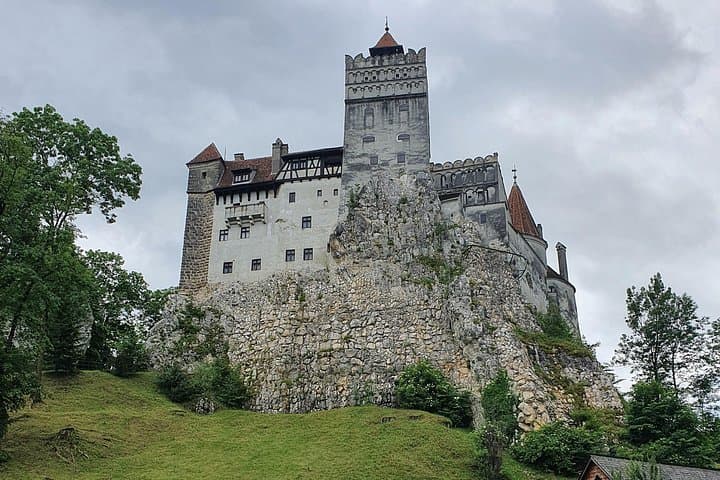
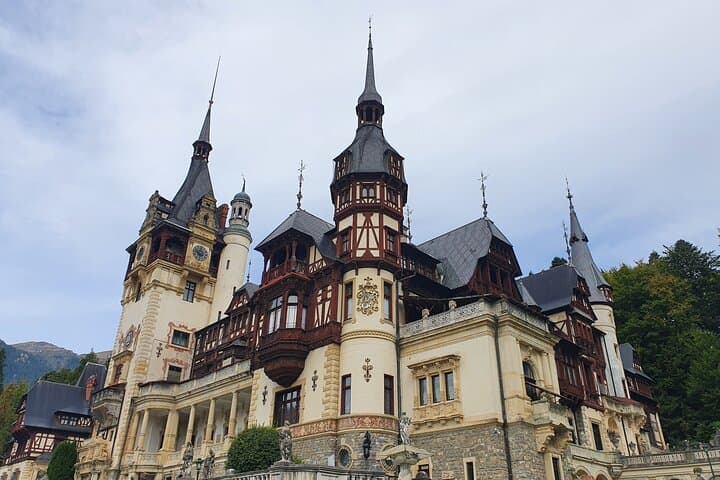
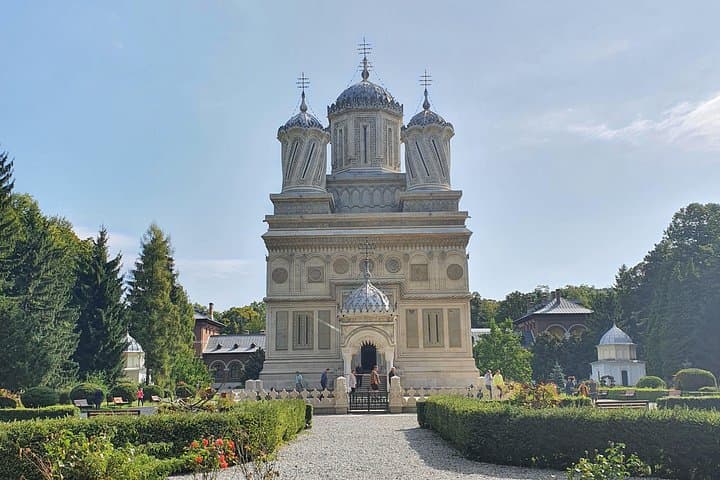
Over three days you’ll trade highways for mountain passes, arrive at fortified Saxon churches at dusk, and stand on castle battlements that face valleys of fir and oak. The route stitches together contrasts: royal Peles Castle’s carved balconies, the austere spire of Sinaia Monastery, the crooked streets of Sighisoara’s citadel, and the theatrical silhouette of Bran Castle.
Transylvania’s geology — folded Carpathian ridges and deep river valleys carved by the Olt and its tributaries — created defensible hilltops where medieval towns and fortified churches grew during the Saxon settlements of the 12th–14th centuries. Culture here layers Romanian, Hungarian and Saxon influences: fortified villages like Viscri preserve traditional crafts and architecture while market squares in Sibiu echo centuries of trade.
Expect a mix of easy walks, short stair climbs inside historic buildings, and several hours on the road between stops (Bucharest–Sinaia ~1.5–2 hours; Bucharest–Brașov ~2.5–3 hours). Practical planning matters: bring sturdy shoes for cobblestones and uneven monastery paths, a light rain layer, and local currency for small village purchases. Midday is best for castle photos; mornings reveal mist in the valleys.
Your private guide handles parking, recommendations, and flexible timing, but pack water for drives, keep ID handy for tickets, and allow extra time for exploring side lanes — the most memorable discoveries are often off the main square.
easy.
3 days.
Suitable for travelers with average fitness; must handle short uphill walks, stairs and standing during tours.
Expect 1.5–3 hours of driving between major stops each day, with shorter local transfers within towns; the itinerary is designed for comfort with regular breaks.
The tour price typically excludes individual entrance fees to castles and museums; confirm with the operator and carry payment for admissions.
Yes—this private tour is rated easy and can be paced to suit families or older travelers, though some sites require stair climbing and uneven walking.
Yes—being a private tour, the guide can adjust stops, timing and recommended sights based on your interests and mobility needs.
Transylvania’s fortified churches and citadels grew from medieval Saxon settlements; many villages were fortified between the 12th and 16th centuries to repel invaders and still show layered Romanian, Hungarian and German cultural influences.
The Carpathian region supports important large-mammal habitats; travel responsibly by staying on roads and trails, avoiding feeding wildlife, and supporting community-run guesthouses and conservation-minded guides.
Romania Driver and Guide operates guided outdoor trips and adventures with an emphasis on safety, stewardship, and memorable experiences.
You pull away from Bucharest as the city thins and rolling, forested foothills of the Southern Carpathians edge into view.
You pull away from Bucharest as the city thins and rolling, forested foothills of the Southern Carpathians edge into view.
Over three days you’ll trade highways for mountain passes, arrive at fortified Saxon churches at dusk, and stand on castle battlements that face valleys of fir and oak. The route stitches together contrasts: royal Peles Castle’s carved balconies, the austere spire of Sinaia Monastery, the crooked streets of Sighisoara’s citadel, and the theatrical silhouette of Bran Castle.
Transylvania’s geology — folded Carpathian ridges and deep river valleys carved by the Olt and its tributaries — created defensible hilltops where medieval towns and fortified churches grew during the Saxon settlements of the 12th–14th centuries. Culture here layers Romanian, Hungarian and Saxon influences: fortified villages like Viscri preserve traditional crafts and architecture while market squares in Sibiu echo centuries of trade.
Expect a mix of easy walks, short stair climbs inside historic buildings, and several hours on the road between stops (Bucharest–Sinaia ~1.5–2 hours; Bucharest–Brașov ~2.5–3 hours). Practical planning matters: bring sturdy shoes for cobblestones and uneven monastery paths, a light rain layer, and local currency for small village purchases. Midday is best for castle photos; mornings reveal mist in the valleys.
Your private guide handles parking, recommendations, and flexible timing, but pack water for drives, keep ID handy for tickets, and allow extra time for exploring side lanes — the most memorable discoveries are often off the main square.