THE ADVENTURE COLLECTIVE® · Independent discovery and booking for outdoor travel

A three-day private loop from Athens that pairs Delphi’s oracle and Hosios Loukas’s Byzantine mosaics with the sky-scraping monasteries of Meteora and the historic pass of Thermopylae. Practical, scenic, and rich in geology and history — ideal for travelers who want a compact cultural trek.
A three-day private loop from Athens that pairs Delphi’s oracle and Hosios Loukas’s Byzantine mosaics with the sky-scraping monasteries of Meteora and the historic pass of Thermopylae. Practical, scenic, and rich in geology and history — ideal for travelers who want a compact cultural trek.
You leave Athens before sunrise and the city softens behind you as olive groves slide by the van window. Mountain air sharpens at Arachova; cobbled streets and a clock tower watch over the town while the road climbs toward the terraces of Delphi where the ruins crouch on the slope like a city folded into rock.
Verified experiences and guided adventures in the surrounding area.
Operated by Tours of Athens · Delphi, Phocis
You leave Athens before sunrise and the city softens behind you as olive groves slide by the van window. Mountain air sharpens at Arachova; cobbled streets and a clock tower watch over the town while the road climbs toward the terraces of Delphi where the ruins crouch on the slope like a city folded into rock.
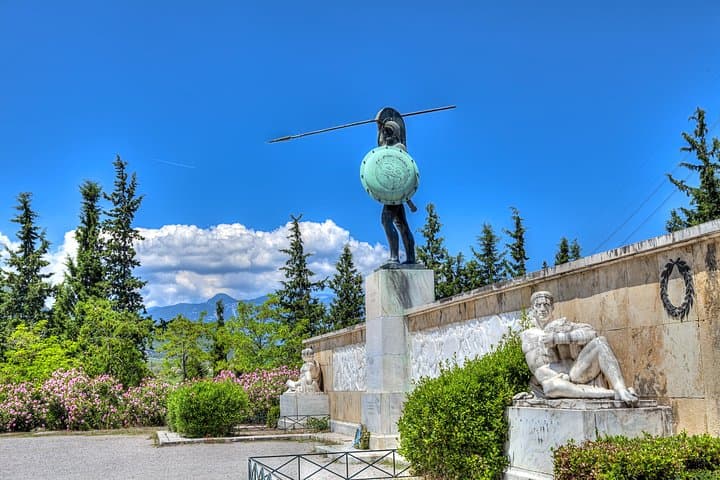
The route stitches together distinct chapters of Greek history: Hosios Loukas, a compact Middle Byzantine monastery whose mosaics and domes recall eastern monastic craft; Delphi’s Sanctuary of Apollo clinging to Mount Parnassos, where the Pythia once spoke; and Meteora, where sheer conglomerate pillars rise 300–400m and monks built monasteries on immovable summits. Thermopylae closes the loop — a narrow coastal pass named for hot springs and famed for the stand of Leonidas and his Spartans.
Geology explains Meteora’s spires: uplift and river-borne conglomerate hardened, then weathered into towers. Culture shows in Arachova’s textiles and local wines; religious life remains visible in monastery routines. Expect uneven stone, steep staircases, and short hikes between viewpoints — nature here exerts a slow insistence, wind and light shaping every ledge.
Practically: book a private vehicle to maximize time at each site, bring sturdy footwear for rocky paths, and layer for temperature swings between valley and peak. Carry water and a compact guidebook or offline map; schedules are tight on a three-day loop. For photos, aim for golden hour at Meteora and mid-morning at Delphi when ruins catch the sun. Respect monastery rules: modest clothing and quiet inside chapels.
easy.
3 days.
Light to moderate: suitable for travelers who can handle several short walks (30–90 minutes) and uneven steps.
No. Admissions to archaeological sites and monasteries are typically not included and are paid on-site or pre-booked separately.
Transport is wheelchair accessible, but many sites include uneven surfaces and stairs that make access difficult for wheelchair users.
Yes, but opening hours vary and some monasteries close on specific weekdays; modest dress is required and photography may be restricted inside.
Expect several hours of driving between sites over three days; the tour uses a private Mercedes with Wi‑Fi and stops at villages en route.
Delphi was the religious center of ancient Greece where the Oracle of Apollo shaped politics and culture; Meteora’s monasteries date from the 14th century when hermit monks sought vertical solitude, and Thermopylae is famed for the 480 BCE stand of the Spartans.
Meteora and Delphi are UNESCO-protected — stay on marked paths, avoid touching fragile stone work, and follow monastery rules to minimize impact.
Tours of Athens operates guided outdoor trips and adventures with an emphasis on safety, stewardship, and memorable experiences.
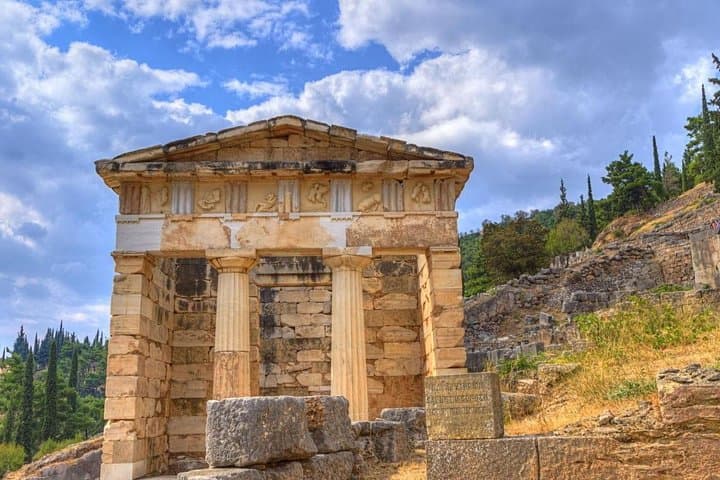

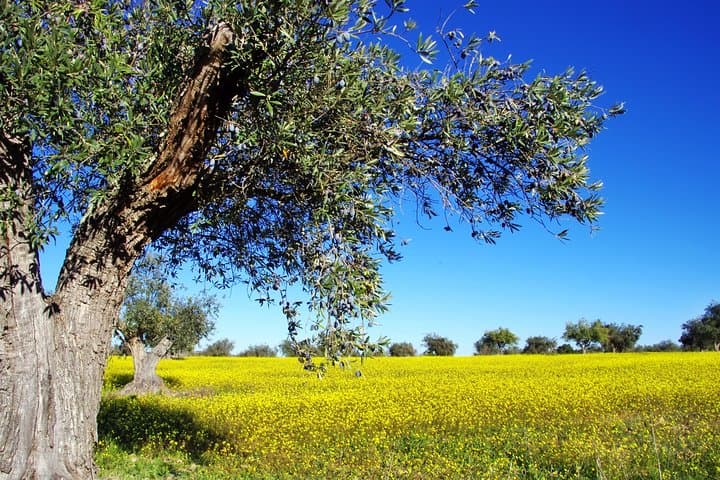
You leave Athens before sunrise and the city softens behind you as olive groves slide by the van window. Mountain air sharpens at Arachova; cobbled streets and a clock tower watch over the town while the road climbs toward the terraces of Delphi where the ruins crouch on the slope like a city folded into rock.
You leave Athens before sunrise and the city softens behind you as olive groves slide by the van window. Mountain air sharpens at Arachova; cobbled streets and a clock tower watch over the town while the road climbs toward the terraces of Delphi where the ruins crouch on the slope like a city folded into rock.
The route stitches together distinct chapters of Greek history: Hosios Loukas, a compact Middle Byzantine monastery whose mosaics and domes recall eastern monastic craft; Delphi’s Sanctuary of Apollo clinging to Mount Parnassos, where the Pythia once spoke; and Meteora, where sheer conglomerate pillars rise 300–400m and monks built monasteries on immovable summits. Thermopylae closes the loop — a narrow coastal pass named for hot springs and famed for the stand of Leonidas and his Spartans.
Geology explains Meteora’s spires: uplift and river-borne conglomerate hardened, then weathered into towers. Culture shows in Arachova’s textiles and local wines; religious life remains visible in monastery routines. Expect uneven stone, steep staircases, and short hikes between viewpoints — nature here exerts a slow insistence, wind and light shaping every ledge.
Practically: book a private vehicle to maximize time at each site, bring sturdy footwear for rocky paths, and layer for temperature swings between valley and peak. Carry water and a compact guidebook or offline map; schedules are tight on a three-day loop. For photos, aim for golden hour at Meteora and mid-morning at Delphi when ruins catch the sun. Respect monastery rules: modest clothing and quiet inside chapels.