THE ADVENTURE COLLECTIVE® · Independent discovery and booking for outdoor travel

Covering Aswan’s High Dam and Philae, the sunrise at Abu Simbel, and a dawn hot-air balloon over Luxor, this three-day private tour pairs monumental history with immersive river-country landscapes. Expect early starts, private transfers and expert Egyptologist guidance.
Covering Aswan’s High Dam and Philae, the sunrise at Abu Simbel, and a dawn hot-air balloon over Luxor, this three-day private tour pairs monumental history with immersive river-country landscapes. Expect early starts, private transfers and expert Egyptologist guidance.
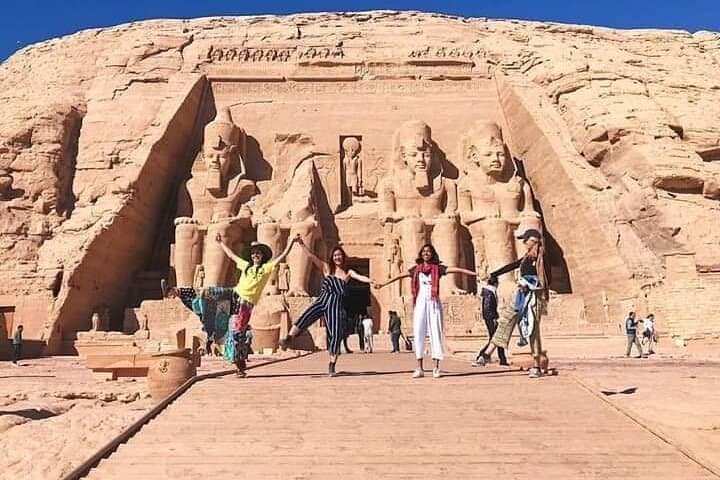
Morning light strips across the sandstone faces of Abu Simbel as your small group steps from the bus into cool desert air. Claustrophobic shadows give way to colossal statues that regard you with the calm of centuries; the desert seems to nudge you forward toward the carved mouths of temples and the river that keeps the valley alive.
Verified experiences and guided adventures in the surrounding area.
Operated by DrMo Tours Egypt · Luxor, Luxor Governorate
Morning light strips across the sandstone faces of Abu Simbel as your small group steps from the bus into cool desert air. Claustrophobic shadows give way to colossal statues that regard you with the calm of centuries; the desert seems to nudge you forward toward the carved mouths of temples and the river that keeps the valley alive.
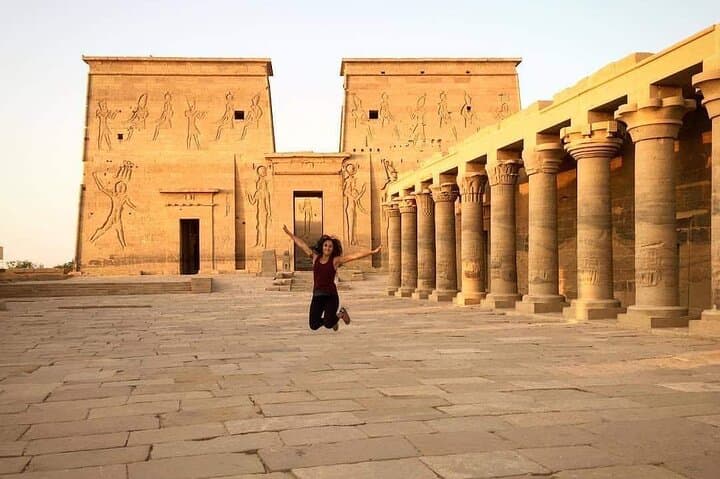
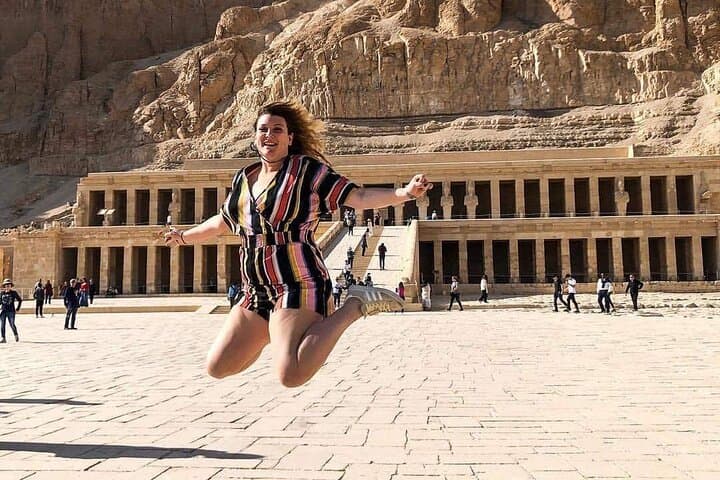
This itinerary threads three distinct Nile cultures: Aswan’s granite quarries and the 1960s High Dam that reshaped the region; the island-draped Philae Temple, moved stone-by-stone to escape Lake Nasser’s rising waters; and Luxor’s layered monuments—from Karnak’s avenue of sphinxes to the rock-cut necropolis on the West Bank. Geology is visible underfoot: Nubian sandstone and river alluvium sculpted these sites and made large-scale stone carving possible.
Expect private transfers, a motorboat hop to Philae, a two- to three-hour dawn drive to Abu Simbel, and an early-morning hot-air balloon over Luxor’s West Bank (approx. 45 minutes in-air). Guides are Egyptologists; one can ask pointed questions about pharaonic engineering, ritual routes and seasonal light alignments at temple axes.
Practical rhythm: rise before sunrise for Abu Simbel and the balloon; carry layered sun protection, reusable water, and comfortable shoes for uneven stone floors. Travel times are long between Aswan and Luxor—build in padding for train transfers and ticket queues. Respect conservation rules: no flash photography in delicate tomb chambers and stay on marked paths to protect fragile reliefs. This trip balances spectacle with close-up history—bring curiosity and steady legs.
moderate.
3 days.
Moderate stamina for early mornings, short hikes, and standing; suitable for most travelers in average health but involves long transfers and walking on uneven surfaces.
Operators use certified pilots and routine checks; passengers must follow crew instructions—balloons fly at low speed and landings can be bumpy but are managed by trained staff.
Direct daytime trains typically take about 3 to 3.5 hours; schedules vary, so confirm class and departure time when booking transfers.
Yes—many tours time the visit for early morning light; access is managed, and crowds are lighter at dawn but expect an early departure from Aswan.
Major sites have varying accessibility: some areas like Philae have boat and ramp access, but many tomb corridors and stone steps are not wheelchair-friendly—check specific site access in advance.
Abu Simbel was carved under Ramses II and later moved in the 1960s during the construction of the Aswan High Dam to protect it from Lake Nasser’s waters; Karnak grew over more than a millennium of pharaonic building.
Large-scale relocation projects show historic preservation is possible but tourism still pressures fragile reliefs; follow site rules, don’t touch carved surfaces, and minimize waste.
DrMo Tours Egypt operates guided outdoor trips and adventures with an emphasis on safety, stewardship, and memorable experiences.
Morning light strips across the sandstone faces of Abu Simbel as your small group steps from the bus into cool desert air. Claustrophobic shadows give way to colossal statues that regard you with the calm of centuries; the desert seems to nudge you forward toward the carved mouths of temples and the river that keeps the valley alive.
Morning light strips across the sandstone faces of Abu Simbel as your small group steps from the bus into cool desert air. Claustrophobic shadows give way to colossal statues that regard you with the calm of centuries; the desert seems to nudge you forward toward the carved mouths of temples and the river that keeps the valley alive.
This itinerary threads three distinct Nile cultures: Aswan’s granite quarries and the 1960s High Dam that reshaped the region; the island-draped Philae Temple, moved stone-by-stone to escape Lake Nasser’s rising waters; and Luxor’s layered monuments—from Karnak’s avenue of sphinxes to the rock-cut necropolis on the West Bank. Geology is visible underfoot: Nubian sandstone and river alluvium sculpted these sites and made large-scale stone carving possible.
Expect private transfers, a motorboat hop to Philae, a two- to three-hour dawn drive to Abu Simbel, and an early-morning hot-air balloon over Luxor’s West Bank (approx. 45 minutes in-air). Guides are Egyptologists; one can ask pointed questions about pharaonic engineering, ritual routes and seasonal light alignments at temple axes.
Practical rhythm: rise before sunrise for Abu Simbel and the balloon; carry layered sun protection, reusable water, and comfortable shoes for uneven stone floors. Travel times are long between Aswan and Luxor—build in padding for train transfers and ticket queues. Respect conservation rules: no flash photography in delicate tomb chambers and stay on marked paths to protect fragile reliefs. This trip balances spectacle with close-up history—bring curiosity and steady legs.