THE ADVENTURE COLLECTIVE® · Independent discovery and booking for outdoor travel

Escape Cairo for three days to Siwa Oasis: salt lakes for floating, an ancient oracle where Alexander was proclaimed, sunset on Fitnas Island, and the ruined Shali Fortress. This private tour blends desert geology, Siwi culture, and practical, family-friendly adventure.
Escape Cairo for three days to Siwa Oasis: salt lakes for floating, an ancient oracle where Alexander was proclaimed, sunset on Fitnas Island, and the ruined Shali Fortress. This private tour blends desert geology, Siwi culture, and practical, family-friendly adventure.
The sand opens up like a slow exhale as the road from Cairo dwindles into ochre plains; after hours of wide desert you arrive where water still dares to interrupt the dunes. Siwa’s palms crowd around springs and salt flats, and the town’s compact mudbrick lanes hum with a quiet, island rhythm that feels far removed from the Nile’s bustle.
Verified experiences and guided adventures in the surrounding area.
Operated by Light Egypt Travel · Siwa Oasis, Matrouh
The sand opens up like a slow exhale as the road from Cairo dwindles into ochre plains; after hours of wide desert you arrive where water still dares to interrupt the dunes. Siwa’s palms crowd around springs and salt flats, and the town’s compact mudbrick lanes hum with a quiet, island rhythm that feels far removed from the Nile’s bustle.
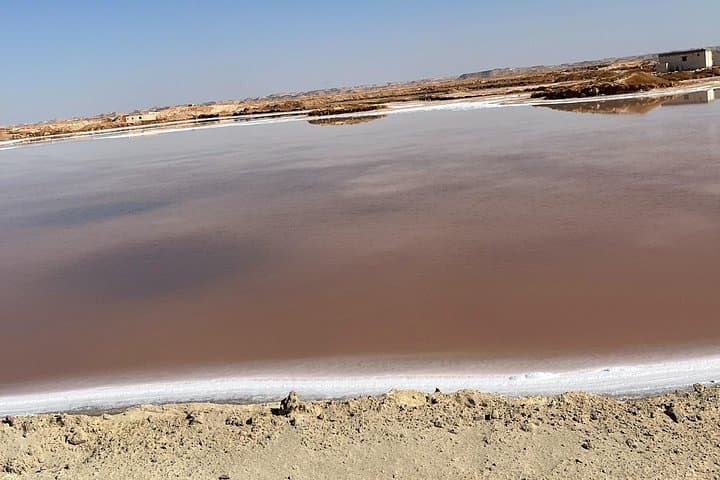
This three-day private tour threads local history and stark geology into an accessible package: salt-extracted lakes that glitter like beaten metal, Cleopatra’s Medicinal Spring bubbling with warm freshwater, and the Oracle Temple where Alexander the Great was once declared son of Amun. Shali Fortress, built of karshef (salt-mixed mud), offers a weathered panorama of the oasis and the encircling desert basin.
Culturally, Siwa is Siwi land — distinct dialect, olive groves, and a market where dates and handwoven goods change hands. Geologically, the oasis exists where groundwater meets impermeable layers and salt is pulled toward the surface; small springs and briny depressions shape both landscape and local livelihoods.
Practically: plan for long drives (roughly 10–12 hours round trip from Cairo over two days of transit), bring sun protection and cash for the market, and pack swimwear for buoyant salt lakes. Expect easy-to-moderate walking, short climbs to ruins, and strong midday heat in summer. Respect local customs—modest dress, ask before photographing people—and leave no trace on fragile soils and spring edges. This trip balances low-impact cultural discovery with the elemental thrill of the Western Desert.
moderate.
3 days.
Moderate fitness recommended—able to handle several short walks, uneven ruins, and long vehicle transfers.
Expect roughly 8–10 hours each way by road depending on stops and traffic; most itineraries include early departures and relaxed pacing in Siwa.
Yes—many lakes are suitable for floating due to high salinity; bring swimwear and rinse at freshwater springs like Cleopatra’s Spring if available.
Yes—the tour notes family suitability and optional activities; however, long drives and desert conditions mean children should be monitored for heat and hydration.
Carry your passport details while traveling in Egypt; entry to archaeological sites is usually included but national regulations still require valid identification.
Siwa’s Oracle Temple is historically important—Alexander the Great was declared son of Amun there; Shali Fortress is built from local karshef, a salt-mud material.
The oasis relies on fragile groundwater and salt-flat ecology; stick to paths, limit plastic, and support local businesses to reduce environmental pressure.
Light Egypt Travel operates guided outdoor trips and adventures with an emphasis on safety, stewardship, and memorable experiences.
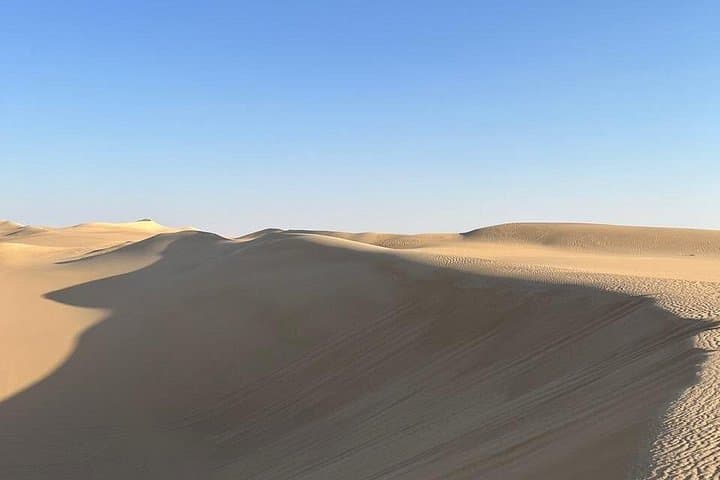
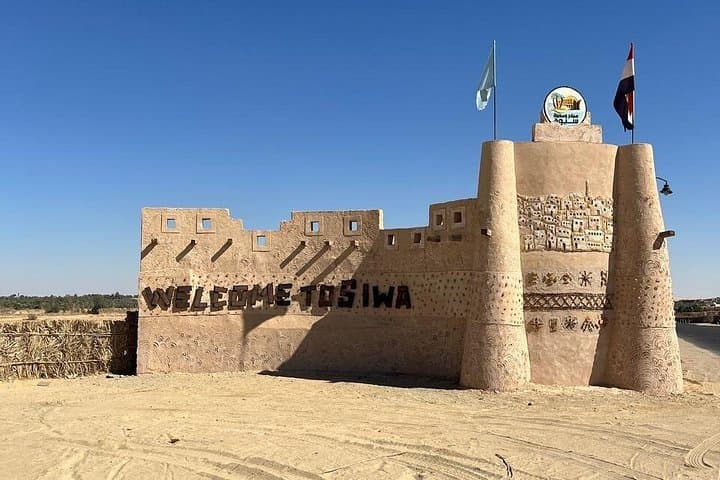
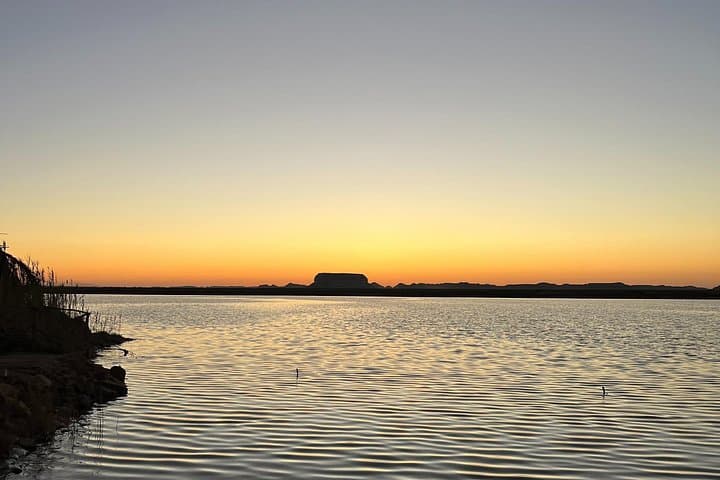
The sand opens up like a slow exhale as the road from Cairo dwindles into ochre plains; after hours of wide desert you arrive where water still dares to interrupt the dunes. Siwa’s palms crowd around springs and salt flats, and the town’s compact mudbrick lanes hum with a quiet, island rhythm that feels far removed from the Nile’s bustle.
The sand opens up like a slow exhale as the road from Cairo dwindles into ochre plains; after hours of wide desert you arrive where water still dares to interrupt the dunes. Siwa’s palms crowd around springs and salt flats, and the town’s compact mudbrick lanes hum with a quiet, island rhythm that feels far removed from the Nile’s bustle.
This three-day private tour threads local history and stark geology into an accessible package: salt-extracted lakes that glitter like beaten metal, Cleopatra’s Medicinal Spring bubbling with warm freshwater, and the Oracle Temple where Alexander the Great was once declared son of Amun. Shali Fortress, built of karshef (salt-mixed mud), offers a weathered panorama of the oasis and the encircling desert basin.
Culturally, Siwa is Siwi land — distinct dialect, olive groves, and a market where dates and handwoven goods change hands. Geologically, the oasis exists where groundwater meets impermeable layers and salt is pulled toward the surface; small springs and briny depressions shape both landscape and local livelihoods.
Practically: plan for long drives (roughly 10–12 hours round trip from Cairo over two days of transit), bring sun protection and cash for the market, and pack swimwear for buoyant salt lakes. Expect easy-to-moderate walking, short climbs to ruins, and strong midday heat in summer. Respect local customs—modest dress, ask before photographing people—and leave no trace on fragile soils and spring edges. This trip balances low-impact cultural discovery with the elemental thrill of the Western Desert.