THE ADVENTURE COLLECTIVE® · Independent discovery and booking for outdoor travel

Experience Angkor’s sunrise, jungle-swallowed ruins, and Tonle Sap’s floating villages on a private three-day circuit. This tour balances early-morning temple runs with off-the-beaten-path temples and authentic village visits.
Experience Angkor’s sunrise, jungle-swallowed ruins, and Tonle Sap’s floating villages on a private three-day circuit. This tour balances early-morning temple runs with off-the-beaten-path temples and authentic village visits.
Before dawn the temple stones are cool and the air smells faintly of damp earth and incense. You stand at the north library pool of Angkor Wat as the first light pushes its way across the moat—columns and carved apsaras peel into silhouette while the guide points out stories frozen in stone.
Verified experiences and guided adventures in the surrounding area.
Operated by Journey2 Angkor · Siem Reap, Siem Reap
Before dawn the temple stones are cool and the air smells faintly of damp earth and incense. You stand at the north library pool of Angkor Wat as the first light pushes its way across the moat—columns and carved apsaras peel into silhouette while the guide points out stories frozen in stone.
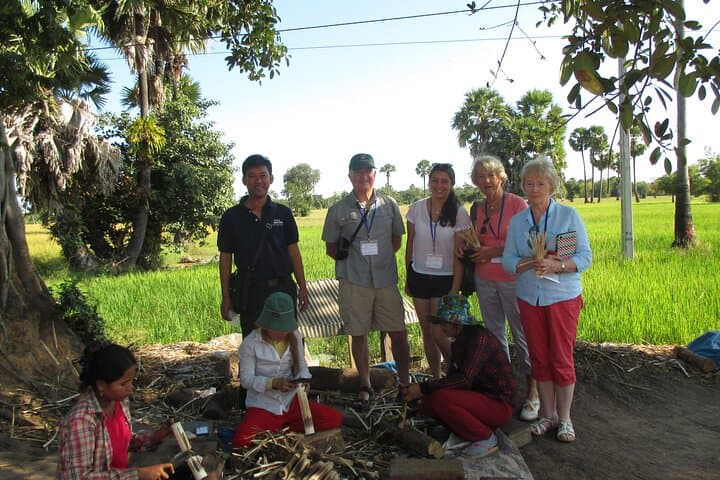
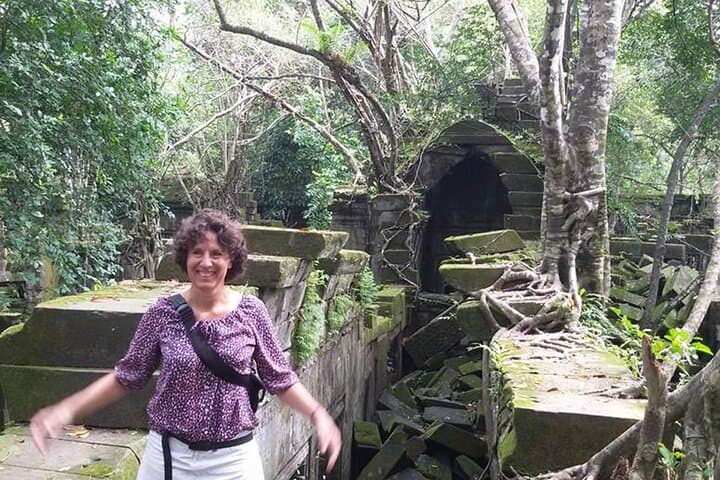
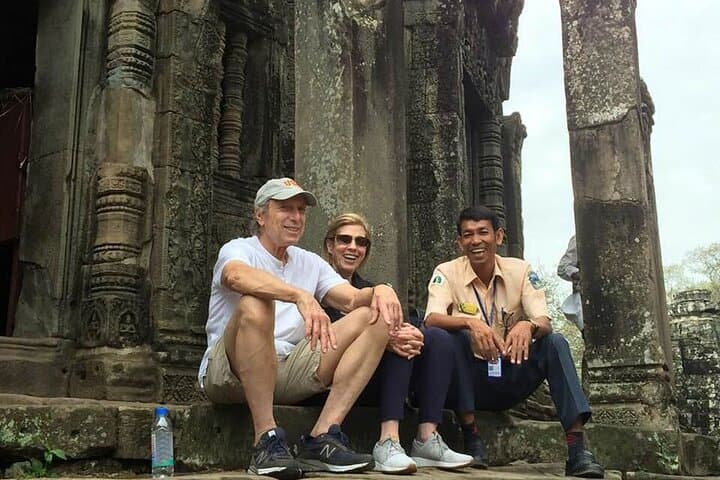
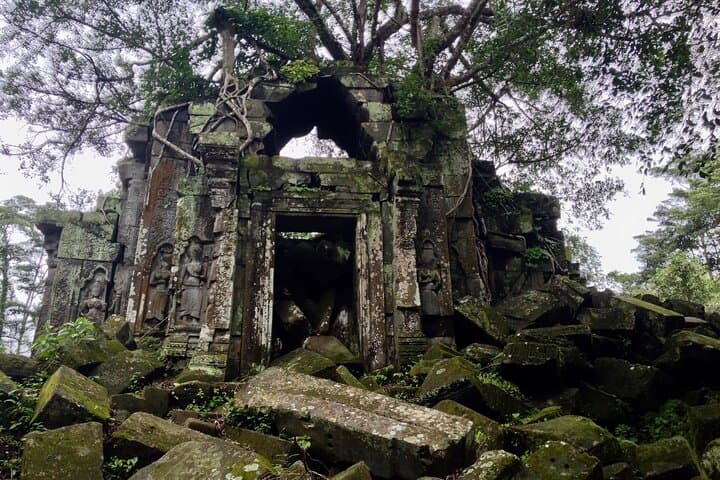
Over three days this private itinerary moves from the crowded majesty of Angkor Wat and Bayon to quieter outlying ruins and living villages. Beng Mealea arrives like a rediscovered fragment: collapsed galleries, roots threading doorways, and a sense of being swallowed by the forest. Banteay Srei offers the opposite—intricate red-sandstone reliefs that detail courtly life in miniature. On the third day the rhythm changes to water: Tonle Sap’s flooded forests and stilted villages where boats become front porches and currents seem to dare you to keep up.
Geology here is Cambrian limestone and sandstone worked by Khmer masons; centuries of seasonal floods and tropical weather shape what remains. Culture is visible in markets, weaving workshops, and the Landmine Museum’s sober reminders of recent history. Guides explain bas-reliefs, which read like chaptered histories of empire and daily life.
Practical guidance: start early to avoid heat and crowds, carry sun protection and refillable water, and wear flat shoes that grip uneven temple stones. Respect dress codes—knees and shoulders covered at consecrated sites—and buy entrance tickets in advance. With a private vehicle and local guide, pacing is flexible: expect long days but rich, varied encounters that balance spectacle with local life.
moderate.
3 days (full days, ~8–10 hours/day).
Moderate stamina for repeated walking on uneven terrain and long days sitting in a vehicle between sites.
Entrance tickets are not included; the guide will send a link in advance to purchase e-tickets and advise which pass you need (1-, 3- or 7-day).
Yes — the tour is private and physically easy, but expect long days; share special requirements at booking so pacing and vehicle accessibility can be adjusted.
Yes — the itinerary includes an Angkor Wat sunrise and a guided visit to Ta Prohm; timing may be adjusted to avoid the largest crowds.
Yes — inform the operator at booking; local meals and village stops can be tailored for allergies, vegetarian or halal needs where possible.
The Angkor complex was the heart of the Khmer Empire (9th–15th centuries); temples like Angkor Wat and Bayon reflect evolving religious and political shifts from Hinduism to Mahayana Buddhism.
Tonle Sap’s ecology is fragile—seasonal fishing supports local communities, and responsible tours minimize plastic and avoid disturbing nesting areas; the Landmine Museum highlights the long recovery from conflict.
Journey2 Angkor operates guided outdoor trips and adventures with an emphasis on safety, stewardship, and memorable experiences.
Before dawn the temple stones are cool and the air smells faintly of damp earth and incense. You stand at the north library pool of Angkor Wat as the first light pushes its way across the moat—columns and carved apsaras peel into silhouette while the guide points out stories frozen in stone.
Before dawn the temple stones are cool and the air smells faintly of damp earth and incense. You stand at the north library pool of Angkor Wat as the first light pushes its way across the moat—columns and carved apsaras peel into silhouette while the guide points out stories frozen in stone.
Over three days this private itinerary moves from the crowded majesty of Angkor Wat and Bayon to quieter outlying ruins and living villages. Beng Mealea arrives like a rediscovered fragment: collapsed galleries, roots threading doorways, and a sense of being swallowed by the forest. Banteay Srei offers the opposite—intricate red-sandstone reliefs that detail courtly life in miniature. On the third day the rhythm changes to water: Tonle Sap’s flooded forests and stilted villages where boats become front porches and currents seem to dare you to keep up.
Geology here is Cambrian limestone and sandstone worked by Khmer masons; centuries of seasonal floods and tropical weather shape what remains. Culture is visible in markets, weaving workshops, and the Landmine Museum’s sober reminders of recent history. Guides explain bas-reliefs, which read like chaptered histories of empire and daily life.
Practical guidance: start early to avoid heat and crowds, carry sun protection and refillable water, and wear flat shoes that grip uneven temple stones. Respect dress codes—knees and shoulders covered at consecrated sites—and buy entrance tickets in advance. With a private vehicle and local guide, pacing is flexible: expect long days but rich, varied encounters that balance spectacle with local life.