THE ADVENTURE COLLECTIVE® · Independent discovery and booking for outdoor travel

A compact three‑day private safari into Serengeti National Park focused on migration season viewing and semi‑luxury lodge or tented‑camp stays. Expect morning and afternoon game drives, short walking safaris when indicated, and concentrated wildlife encounters.
A compact three‑day private safari into Serengeti National Park focused on migration season viewing and semi‑luxury lodge or tented‑camp stays. Expect morning and afternoon game drives, short walking safaris when indicated, and concentrated wildlife encounters.
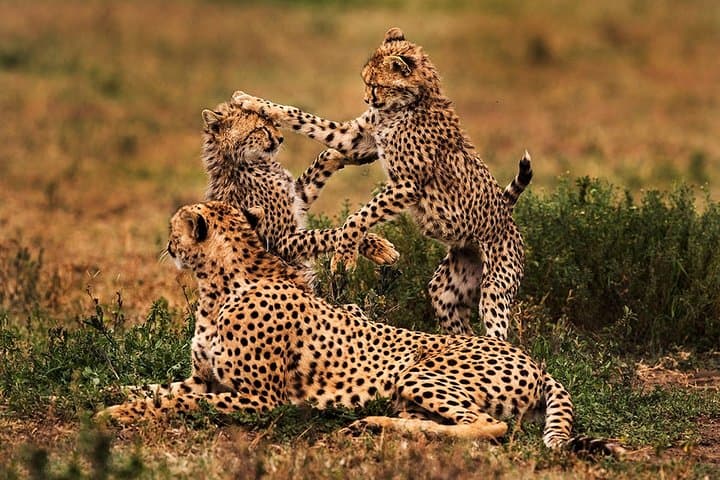
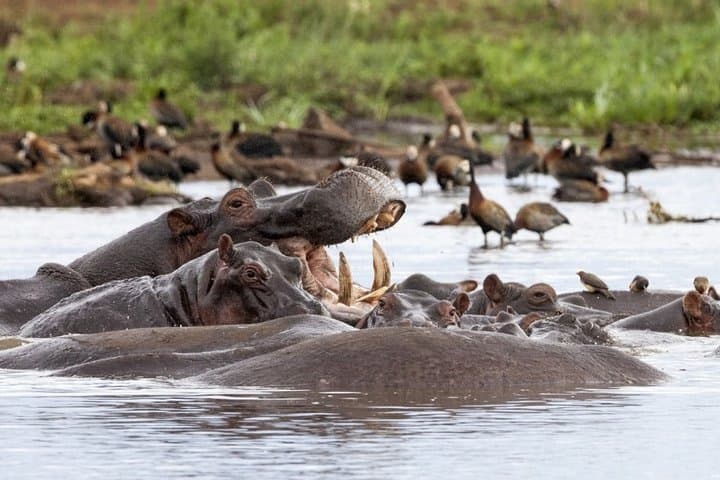
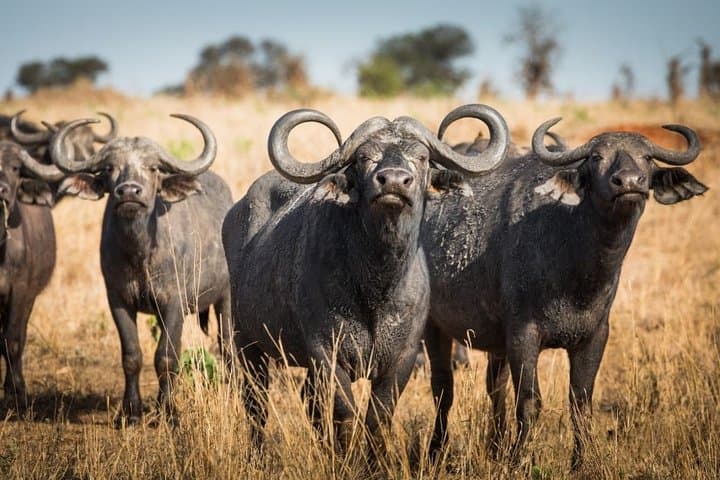
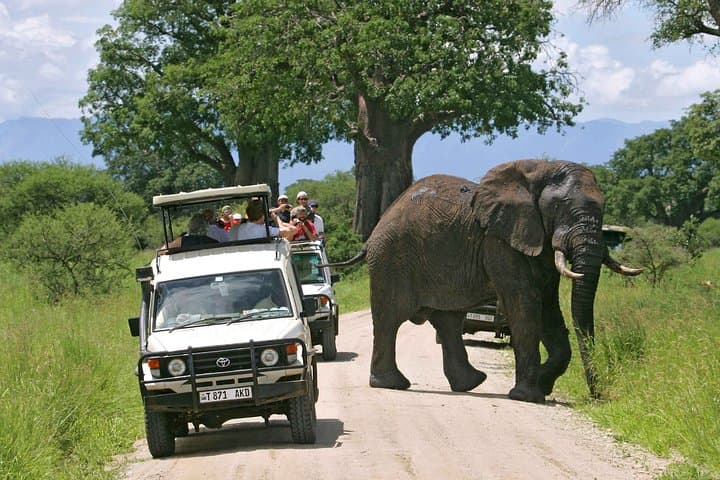
The sun lifts slowly over the Seronera plain, a low heat that makes the tall grass shimmer and the distant kopjes cast long, sharp shadows. You step out of a private 4x4 and the plain seems to breathe — wildebeest and zebra tracing invisible lanes, a lone giraffe chewing at a fever tree while a distant lion pauses on a ridge.
Verified experiences and guided adventures in the surrounding area.
Operated by MORAKA AFRICA SAFARIS · Serengeti National Park, Mara Region
The sun lifts slowly over the Seronera plain, a low heat that makes the tall grass shimmer and the distant kopjes cast long, sharp shadows. You step out of a private 4x4 and the plain seems to breathe — wildebeest and zebra tracing invisible lanes, a lone giraffe chewing at a fever tree while a distant lion pauses on a ridge.
Serengeti’s landscape is shaped by volcanic ash plains and ancient riverbeds; the park’s name means "endless plain" in Maasai language, and its human history is stitched to pastoralist cultures who read water and migration routes as maps. Geology here favors wide sightlines, which makes game drives dramatic and sometimes sudden — a herd surging across the road or a crocodile sunning itself at a river bend.
This 3‑day private itinerary combines morning and afternoon game drives with semi‑luxury lodges or tented camps, and can include short walking safaris where indicated. Expect long hours in the vehicle punctuated by close, deliberate observation; guides interpret spoor and behavior more than guarantee sightings. Best time to track the great migration is July–October when herds concentrate in northern plains, but wildlife viewing is year‑round.
Practically: pack neutral clothing, a good pair of binoculars, and layered outerwear for cool mornings. Hydrate and move deliberately — heat and dust are constant companions. Respect local guides’ instructions around animals; walking away from a vehicle is rare without guide clearance. With sensible preparation, three days here give a compact, high‑value encounter with one of Africa’s most iconic ecosystems.
moderate.
3 days (daily game drives ~4–6 hours).
Moderate fitness—long periods sitting in a vehicle with short walks; able to climb in/out of 4x4 and tolerate bumpy roads.
Routine vaccinations are recommended; yellow fever vaccination may be required depending on origin country—check with a travel clinic well before departure.
Guiding and lodge staff typically rely on tips; common practice is $10–20 per guest per day for guides and smaller amounts for lodge staff, adjusted for service and group size.
Walking safaris are offered only when indicated in the itinerary and under guide supervision; they depend on local conditions and lodge permissions.
July–October is prime for northern Serengeti river crossings and concentrated herds, though pockets of migration can be seen at different times depending on rainfall.
The Serengeti has long been used by Maasai pastoralists and was established as a national park in 1951 to protect its seasonal migration routes.
Tourism revenue supports anti‑poaching and community projects; stick to established routes and lodges that follow park regulations to minimize footprint.
MORAKA AFRICA SAFARIS operates guided outdoor trips and adventures with an emphasis on safety, stewardship, and memorable experiences.
The sun lifts slowly over the Seronera plain, a low heat that makes the tall grass shimmer and the distant kopjes cast long, sharp shadows. You step out of a private 4x4 and the plain seems to breathe — wildebeest and zebra tracing invisible lanes, a lone giraffe chewing at a fever tree while a distant lion pauses on a ridge.
The sun lifts slowly over the Seronera plain, a low heat that makes the tall grass shimmer and the distant kopjes cast long, sharp shadows. You step out of a private 4x4 and the plain seems to breathe — wildebeest and zebra tracing invisible lanes, a lone giraffe chewing at a fever tree while a distant lion pauses on a ridge.
Serengeti’s landscape is shaped by volcanic ash plains and ancient riverbeds; the park’s name means "endless plain" in Maasai language, and its human history is stitched to pastoralist cultures who read water and migration routes as maps. Geology here favors wide sightlines, which makes game drives dramatic and sometimes sudden — a herd surging across the road or a crocodile sunning itself at a river bend.
This 3‑day private itinerary combines morning and afternoon game drives with semi‑luxury lodges or tented camps, and can include short walking safaris where indicated. Expect long hours in the vehicle punctuated by close, deliberate observation; guides interpret spoor and behavior more than guarantee sightings. Best time to track the great migration is July–October when herds concentrate in northern plains, but wildlife viewing is year‑round.
Practically: pack neutral clothing, a good pair of binoculars, and layered outerwear for cool mornings. Hydrate and move deliberately — heat and dust are constant companions. Respect local guides’ instructions around animals; walking away from a vehicle is rare without guide clearance. With sensible preparation, three days here give a compact, high‑value encounter with one of Africa’s most iconic ecosystems.