THE ADVENTURE COLLECTIVE® · Independent discovery and booking for outdoor travel

A compact but demanding three-day route from Soraypampa to Aguas Calientes that combines a high alpine pass at Salkantay, the bright Humantay lagoon and a guided visit to Machu Picchu. Expect steep climbs, varied terrain and dramatic ecological shifts.
A compact but demanding three-day route from Soraypampa to Aguas Calientes that combines a high alpine pass at Salkantay, the bright Humantay lagoon and a guided visit to Machu Picchu. Expect steep climbs, varied terrain and dramatic ecological shifts.
You leave Cusco before dawn—pickup at 3 a.m.—and ride through thinning air until Soraypampa, where the trail opens and the glacier-carved flank of Salkantay rises like a challenge. The first steps are immediate: rock, moraine dust, and a steady climb toward the pass where wind and altitude sharpen the view.
Verified experiences and guided adventures in the surrounding area.
Operated by MachuPicchu Journey · Cusco, Cusco
You leave Cusco before dawn—pickup at 3 a.m.—and ride through thinning air until Soraypampa, where the trail opens and the glacier-carved flank of Salkantay rises like a challenge. The first steps are immediate: rock, moraine dust, and a steady climb toward the pass where wind and altitude sharpen the view.
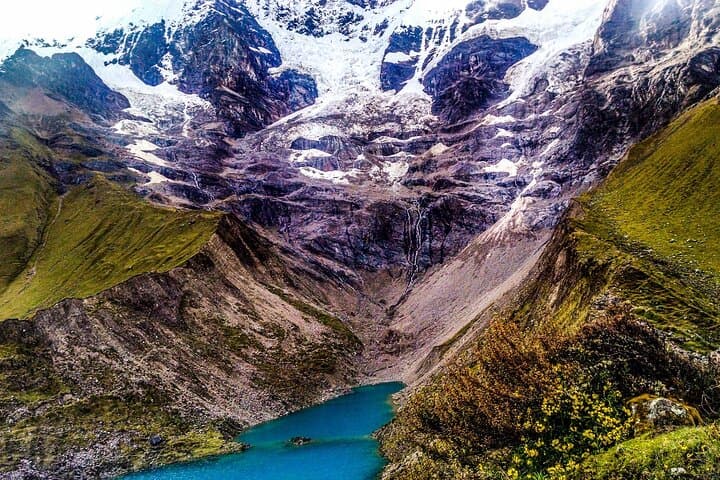
Salkantay is the Andes’ second-highest summit and a major watershed dividing the high puna from the cloud forest. Humantay’s turquoise lagoon is fed by glacial melt; farther down the route the landscape softens into coffee terraces, banana groves and the humid pulse of the jungle. Local communities honor the Apus—mountain spirits—and the trail regularly passes small hamlets and ancient waymarkers.
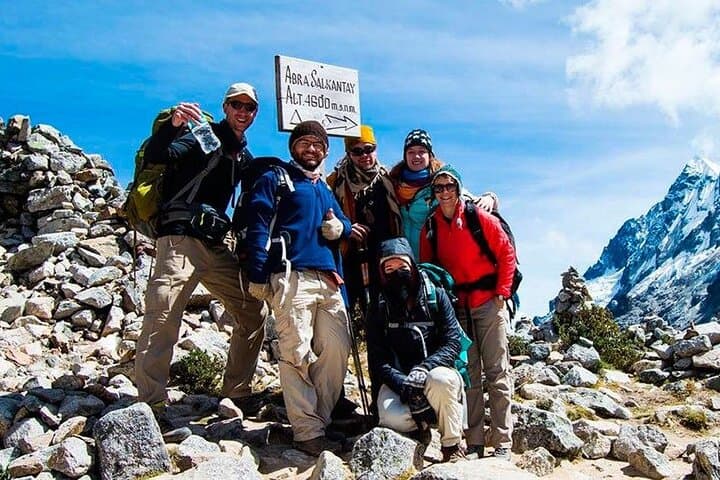
Expect three distinct days: a long alpine ascent to the high point (often above 4,500 m) then a sustained descent to camp at Chaullay; a jungle-day trek along the Santa Teresa valley past plantations and rail lines to Aguas Calientes; and an early guided visit to Machu Picchu followed by a return train to the Sacred Valley. Terrain varies from loose scree and packed earth to flat rail-side walking; elevation ranges roughly 2,900–4,600 m.
Practical edge: spend 24–48 hours in Cusco to acclimatize, carry layered clothing for dramatic temperature swings, and plan for wet afternoons in the shoulder seasons. Guides provide meals, one camping night and one hostel night, horse support for a 7 kg duffel and emergency oxygen—so you can focus on the trail and the stones of a living Andean landscape.
challenging.
3 days.
Good aerobic fitness and prior day-hike experience at altitude; ability to hike 6–8+ hours with elevation change.
Prior experience helps but is not mandatory; you should allow time in Cusco to acclimatize and be prepared for slower pacing at higher elevations.
The itinerary includes one night camping (tents provided) and one night in a hostel in Aguas Calientes; guide and some meals included.
Day one includes a sustained climb to the high pass (several hours) followed by a long downhill—expect 6–8 hours of trekking with significant elevation change.
Entrance is included subject to availability; permits are time-slotted—operators typically reserve spaces but late bookings can be limited.
The Salkantay corridor has long connected highland communities with jungle valleys and was a secondary route used during pre-Columbian times and the Inca period.
Trail pressure and waste are managed by local operators and park authorities; stick to marked routes, pack out trash, and use provided water refills to minimize impact.
MachuPicchu Journey operates guided outdoor trips and adventures with an emphasis on safety, stewardship, and memorable experiences.
You leave Cusco before dawn—pickup at 3 a.m.—and ride through thinning air until Soraypampa, where the trail opens and the glacier-carved flank of Salkantay rises like a challenge. The first steps are immediate: rock, moraine dust, and a steady climb toward the pass where wind and altitude sharpen the view.
You leave Cusco before dawn—pickup at 3 a.m.—and ride through thinning air until Soraypampa, where the trail opens and the glacier-carved flank of Salkantay rises like a challenge. The first steps are immediate: rock, moraine dust, and a steady climb toward the pass where wind and altitude sharpen the view.
Salkantay is the Andes’ second-highest summit and a major watershed dividing the high puna from the cloud forest. Humantay’s turquoise lagoon is fed by glacial melt; farther down the route the landscape softens into coffee terraces, banana groves and the humid pulse of the jungle. Local communities honor the Apus—mountain spirits—and the trail regularly passes small hamlets and ancient waymarkers.
Expect three distinct days: a long alpine ascent to the high point (often above 4,500 m) then a sustained descent to camp at Chaullay; a jungle-day trek along the Santa Teresa valley past plantations and rail lines to Aguas Calientes; and an early guided visit to Machu Picchu followed by a return train to the Sacred Valley. Terrain varies from loose scree and packed earth to flat rail-side walking; elevation ranges roughly 2,900–4,600 m.
Practical edge: spend 24–48 hours in Cusco to acclimatize, carry layered clothing for dramatic temperature swings, and plan for wet afternoons in the shoulder seasons. Guides provide meals, one camping night and one hostel night, horse support for a 7 kg duffel and emergency oxygen—so you can focus on the trail and the stones of a living Andean landscape.