THE ADVENTURE COLLECTIVE® · Independent discovery and booking for outdoor travel

Three days of northern Nicaragua fold together dramatic geology, coffee-country culture and canyoning. Hike waterfall viewpoints in Estelí, track orchids in Miraflor and rappel into the wild Somoto Canyon with an experienced local guide.
Three days of northern Nicaragua fold together dramatic geology, coffee-country culture and canyoning. Hike waterfall viewpoints in Estelí, track orchids in Miraflor and rappel into the wild Somoto Canyon with an experienced local guide.
You arrive in the highland town of Estelí just after dawn. Cooler air brushes the windshield as coffee plantations roll past and the sugar-sweet scent of damp earth rises from roadside gullies. On Day One you walk to Estanzuela Waterfall — a short, steep approach that lets you warm into the trip with a view that reaches across Lake Managua to the Pacific volcanic line, when the sky is clear. The guide points out the carved rock faces on a nearby hill and introduces you to Don Alberto, a local artist who shapes local stone into figures that catch the light like stubborn fossils.
Verified experiences and guided adventures in the surrounding area.
Operated by Vamos Travel Nic · Estelí, Estelí Department
You arrive in the highland town of Estelí just after dawn. Cooler air brushes the windshield as coffee plantations roll past and the sugar-sweet scent of damp earth rises from roadside gullies. On Day One you walk to Estanzuela Waterfall — a short, steep approach that lets you warm into the trip with a view that reaches across Lake Managua to the Pacific volcanic line, when the sky is clear. The guide points out the carved rock faces on a nearby hill and introduces you to Don Alberto, a local artist who shapes local stone into figures that catch the light like stubborn fossils.
The second day moves higher into Miraflor Natural Reserve, where cloud-filtered sun finds orchids clinging to mossy trunks and the farmers tend small coffee terraces. Miraflor’s biodiversity is visible in close focus: hummingbirds flicker between blooms, and the forest understorey holds ferns and epiphytic orchids — more than 200 species recorded here. The cultural pulse is as important as the flora; smallholder coffee and subsistence farms still support a lifestyle that has persisted for generations.
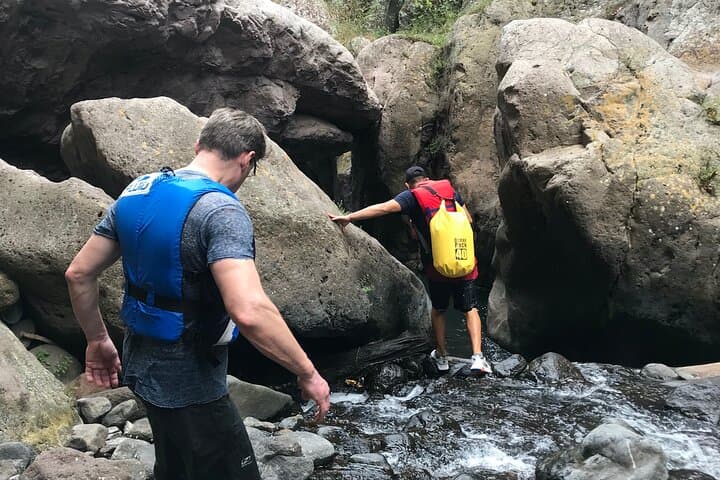
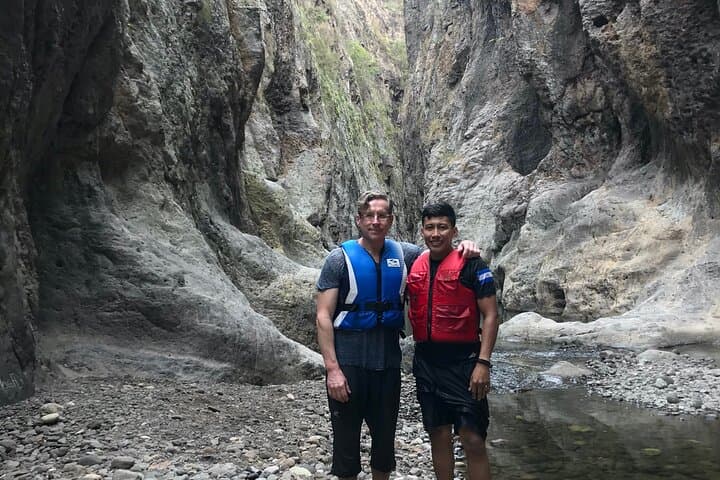
Day Three is the canyon. Somoto Canyon was carved by the Coco River over millennia — limestone walls tighten, water forces a line through rock, and you rappel past vertical faces into a corridor of water and wind. Expect sections where you wade, swim, or pick footholds on slick rock; waterproof bags are provided for valuables but you’ll want sturdy water shoes and a calm approach to moving water.
Geology, history and human craft intersect constantly on this route. Northern Nicaragua’s volcanic soils feed coffee farms, while the canyon’s limestone reveals a much older marine past. Local guides are typically from the towns you visit and bring both navigation skills and stories: about colonial trade routes, war-era migration, and how orchards and coffee plantings shaped the landscape.
Practicalities: this private, three-day loop requires a moderate level of fitness — expect multiple 3–7 km hikes in a day, short steep gains of 200–400 m on some trails, and a half-day of technical canyon travel that includes rappelling (equipment and instruction provided). Bring a swimsuit, quick-dry clothes, water shoes or old trainers with grip, sunscreen, insect repellent and a light rain shell for unpredictable showers during the wet season. Start early to avoid heat and to find wildlife at its most active.
Safety and sustainability are part of the experience: guides brief you on river risks and local conservation practices; stick to trails, use biodegradable sunscreen near rivers, and support roadside cafés and cooperatives to ensure tourism benefits the community. The trip is as much about place and people as it is about geology and adrenaline — by the end you’ll know the canyon’s current, the smell of Miraflor’s orchids, and the rhythm of Estelí’s hills.
moderate.
3 days (approximately 3–7 hours active per day).
Should be comfortable with sustained walking on uneven terrain, short steep climbs, and some exposure to moving water; moderate cardiovascular fitness recommended.
No—guides provide instruction and technical gear for rappelling; some comfort with heights and water is helpful.
Moderate fitness; participants should be able to hike 3–7 km over uneven terrain and handle short steep sections and river wading.
Round-trip pickup from León or Managua is available; three lunches are included as stated in the itinerary.
Not recommended for very young children; check with the operator about minimum ages for canyon sections due to rappelling and swimming.
Guides monitor river conditions and may reroute or postpone canyon activities if water levels are unsafe—flexibility is needed during May–October.
Yes—travel insurance that covers adventure activities and medical evacuation is recommended, especially for canyoning segments.
The Estelí region grew around tobacco and coffee production; Miraflor’s smallholder farms reflect land-use patterns dating back through colonial and post-colonial eras.
Miraflor is protected in part through community-managed reserves and coffee agroforestry; visitors are encouraged to support local cooperatives and follow leave-no-trace practices.
Vamos Travel Nic operates guided outdoor trips and adventures with an emphasis on safety, stewardship, and memorable experiences.
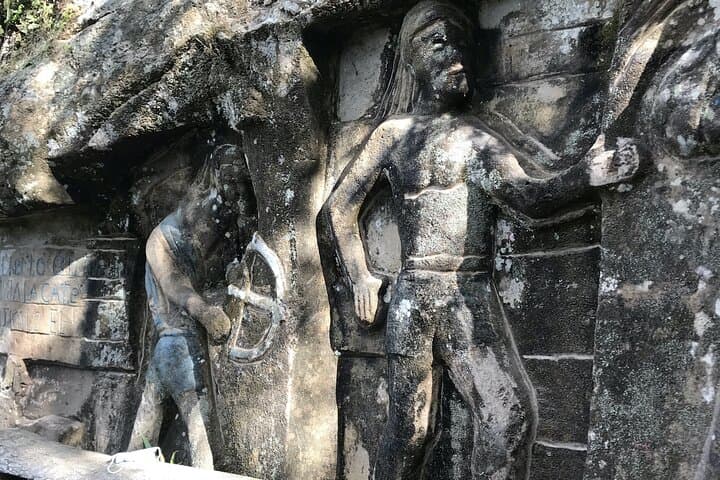
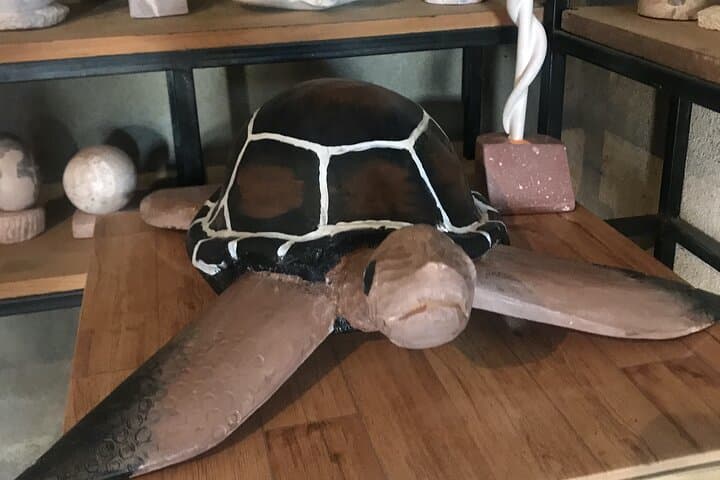
You arrive in the highland town of Estelí just after dawn. Cooler air brushes the windshield as coffee plantations roll past and the sugar-sweet scent of damp earth rises from roadside gullies. On Day One you walk to Estanzuela Waterfall — a short, steep approach that lets you warm into the trip with a view that reaches across Lake Managua to the Pacific volcanic line, when the sky is clear. The guide points out the carved rock faces on a nearby hill and introduces you to Don Alberto, a local artist who shapes local stone into figures that catch the light like stubborn fossils.
You arrive in the highland town of Estelí just after dawn. Cooler air brushes the windshield as coffee plantations roll past and the sugar-sweet scent of damp earth rises from roadside gullies. On Day One you walk to Estanzuela Waterfall — a short, steep approach that lets you warm into the trip with a view that reaches across Lake Managua to the Pacific volcanic line, when the sky is clear. The guide points out the carved rock faces on a nearby hill and introduces you to Don Alberto, a local artist who shapes local stone into figures that catch the light like stubborn fossils.
The second day moves higher into Miraflor Natural Reserve, where cloud-filtered sun finds orchids clinging to mossy trunks and the farmers tend small coffee terraces. Miraflor’s biodiversity is visible in close focus: hummingbirds flicker between blooms, and the forest understorey holds ferns and epiphytic orchids — more than 200 species recorded here. The cultural pulse is as important as the flora; smallholder coffee and subsistence farms still support a lifestyle that has persisted for generations.
Day Three is the canyon. Somoto Canyon was carved by the Coco River over millennia — limestone walls tighten, water forces a line through rock, and you rappel past vertical faces into a corridor of water and wind. Expect sections where you wade, swim, or pick footholds on slick rock; waterproof bags are provided for valuables but you’ll want sturdy water shoes and a calm approach to moving water.
Geology, history and human craft intersect constantly on this route. Northern Nicaragua’s volcanic soils feed coffee farms, while the canyon’s limestone reveals a much older marine past. Local guides are typically from the towns you visit and bring both navigation skills and stories: about colonial trade routes, war-era migration, and how orchards and coffee plantings shaped the landscape.
Practicalities: this private, three-day loop requires a moderate level of fitness — expect multiple 3–7 km hikes in a day, short steep gains of 200–400 m on some trails, and a half-day of technical canyon travel that includes rappelling (equipment and instruction provided). Bring a swimsuit, quick-dry clothes, water shoes or old trainers with grip, sunscreen, insect repellent and a light rain shell for unpredictable showers during the wet season. Start early to avoid heat and to find wildlife at its most active.
Safety and sustainability are part of the experience: guides brief you on river risks and local conservation practices; stick to trails, use biodegradable sunscreen near rivers, and support roadside cafés and cooperatives to ensure tourism benefits the community. The trip is as much about place and people as it is about geology and adrenaline — by the end you’ll know the canyon’s current, the smell of Miraflor’s orchids, and the rhythm of Estelí’s hills.