THE ADVENTURE COLLECTIVE® · Independent discovery and booking for outdoor travel

Travel from Marrakech over the High Atlas to the orange ridges of Erg Chebbi in a three-day private tour that mixes mountain passes, kasbahs, Todra Gorge and a camel trek to a desert camp. Expect long driving days, dramatic sunrises, and Berber hospitality.
Travel from Marrakech over the High Atlas to the orange ridges of Erg Chebbi in a three-day private tour that mixes mountain passes, kasbahs, Todra Gorge and a camel trek to a desert camp. Expect long driving days, dramatic sunrises, and Berber hospitality.
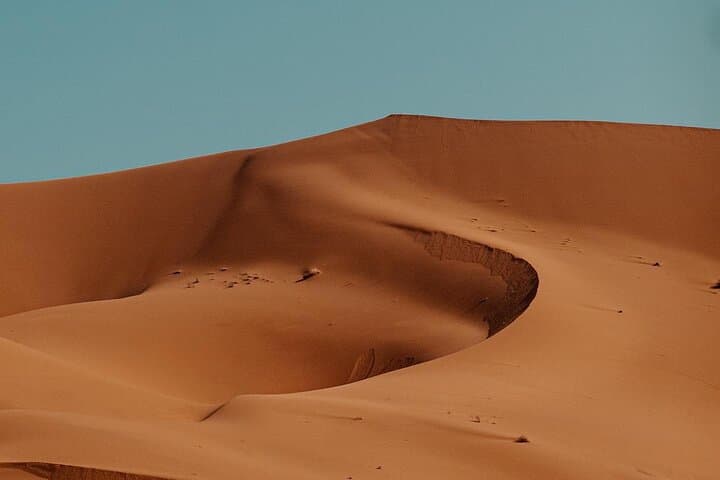
Dawn breaks over the orange-ribbed slopes of Erg Chebbi and the camel caravan becomes a moving silhouette against a pale horizon. The first day is road and reach: a long drive from Marrakech that climbs the Atlas, drops into river valleys and sketches past kasbahs before the desert widens into sand seas.
Verified experiences and guided adventures in the surrounding area.
Operated by Morocco Safari Desert · Merzouga, Drâa-Tafilalet
Dawn breaks over the orange-ribbed slopes of Erg Chebbi and the camel caravan becomes a moving silhouette against a pale horizon. The first day is road and reach: a long drive from Marrakech that climbs the Atlas, drops into river valleys and sketches past kasbahs before the desert widens into sand seas.
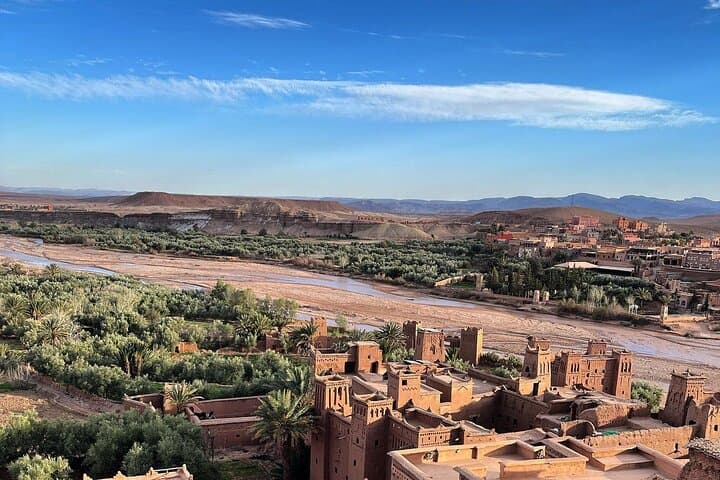
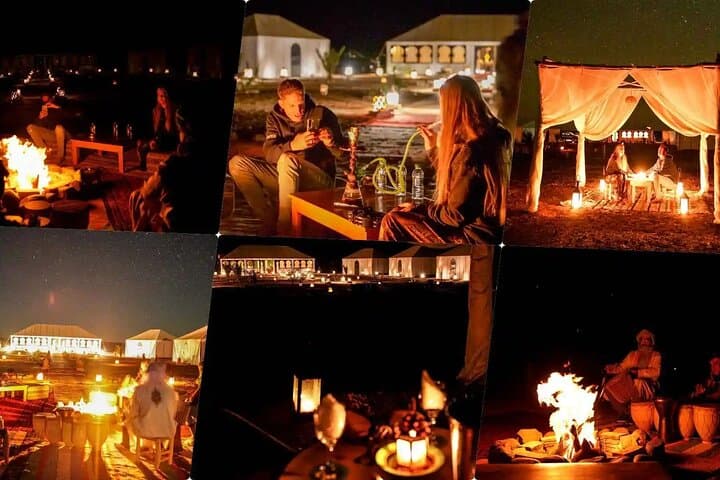
This route threads history and geology—Tizi n’Tichka cuts the High Atlas at roughly 2,260 m, the ksar at Ait Ben Haddou notes centuries of caravan traffic, and the dunes of Merzouga are wind-sculpted barchans of Saharan sand that hide fossil beds near Erfoud. Berber communities and palm-filled oases mark human adaptation to a harsh landscape; music and tea in the camp are still conduits of that living culture.
Practically, the tour is three days of contrasts: long highway mileage (expect roughly 10 hours of driving split across days, with total round-trip driving over 1,000 km), short hikes in Todra Gorge, and a camel-led approach to a desert camp where you’ll sleep on canvas under wide skies. Sunrise and sunset are the show—plan photo time and an early wake for the dune ridge.
Pack layered clothing for hot days and cool nights, carry ample water and sun protection, and bring cash for small village purchases. The route is guide-led and accessible to most travelers, but those with back or heart issues should consult the operator. Respect local customs, minimize waste in the fragile dune environment, and leave the night to the stars—the desert keeps its own rhythm.
moderate.
3 days.
Suitable for travelers with basic mobility: able to mount/dismount camels and handle short sandy walks; not strenuous but involves long vehicle hours.
No—guides brief you before the short camel trek; animals are used to tourist loads and handlers lead the caravan.
The tour includes hotel and camp breakfasts and dinners as listed—special diets (vegan, halal) can usually be arranged if advised in advance.
Expect long transit days: the itinerary includes several multi-hour drives (one day can be 8–10 hours with stops) plus shorter transfers on the return.
Luxury desert camps provide bedding and blankets; however, nights can be cold so bring thermal layers for comfort.
This corridor was part of trans-Saharan routes connecting interior oases to coastal markets; kasbahs and ksars along the way reflect centuries of trade and settlement.
Dune ecosystems are fragile—avoid off-route driving on the sand, pack out all waste, and use water sparingly to reduce local pressure.
Morocco Safari Desert operates guided outdoor trips and adventures with an emphasis on safety, stewardship, and memorable experiences.

Dawn breaks over the orange-ribbed slopes of Erg Chebbi and the camel caravan becomes a moving silhouette against a pale horizon. The first day is road and reach: a long drive from Marrakech that climbs the Atlas, drops into river valleys and sketches past kasbahs before the desert widens into sand seas.
Dawn breaks over the orange-ribbed slopes of Erg Chebbi and the camel caravan becomes a moving silhouette against a pale horizon. The first day is road and reach: a long drive from Marrakech that climbs the Atlas, drops into river valleys and sketches past kasbahs before the desert widens into sand seas.
This route threads history and geology—Tizi n’Tichka cuts the High Atlas at roughly 2,260 m, the ksar at Ait Ben Haddou notes centuries of caravan traffic, and the dunes of Merzouga are wind-sculpted barchans of Saharan sand that hide fossil beds near Erfoud. Berber communities and palm-filled oases mark human adaptation to a harsh landscape; music and tea in the camp are still conduits of that living culture.
Practically, the tour is three days of contrasts: long highway mileage (expect roughly 10 hours of driving split across days, with total round-trip driving over 1,000 km), short hikes in Todra Gorge, and a camel-led approach to a desert camp where you’ll sleep on canvas under wide skies. Sunrise and sunset are the show—plan photo time and an early wake for the dune ridge.
Pack layered clothing for hot days and cool nights, carry ample water and sun protection, and bring cash for small village purchases. The route is guide-led and accessible to most travelers, but those with back or heart issues should consult the operator. Respect local customs, minimize waste in the fragile dune environment, and leave the night to the stars—the desert keeps its own rhythm.