THE ADVENTURE COLLECTIVE® · Independent discovery and booking for outdoor travel

Cross the High Atlas, visit Aït Ben Haddou, then ride camels into Erg Chebbi for two nights of Berber-style desert camping. This private 3-day trip blends mountain scenery, kasbah culture, and Saharan dunes with sunrise and stargazing opportunities.
Cross the High Atlas, visit Aït Ben Haddou, then ride camels into Erg Chebbi for two nights of Berber-style desert camping. This private 3-day trip blends mountain scenery, kasbah culture, and Saharan dunes with sunrise and stargazing opportunities.
You arrive as the dunes are waking—an ocean of orange sand where wind pulls the ridgelines into new shapes each minute. Camels step sure and slow, their padded feet sinking then releasing, and the desert seems to breathe around you; the sunrise pulls color up the slopes and the silence presses close. Over three days you cross high Atlas passes, pass kasbahs clinging to red earth, and trade the city’s cadence for the wide stillness of Erg Chebbi.
Verified experiences and guided adventures in the surrounding area.
Operated by Morocco Safe Tours · Merzouga, Drâa-Tafilalet
You arrive as the dunes are waking—an ocean of orange sand where wind pulls the ridgelines into new shapes each minute. Camels step sure and slow, their padded feet sinking then releasing, and the desert seems to breathe around you; the sunrise pulls color up the slopes and the silence presses close. Over three days you cross high Atlas passes, pass kasbahs clinging to red earth, and trade the city’s cadence for the wide stillness of Erg Chebbi.
This route threads through centuries: Aït Ben Haddou’s mudbrick walls recall caravan trade and film crews alike, rose cooperatives in Kalaa M’Gouna mark a seasonal economy built on petals, and Berber hospitality shapes each evening at camp. Geologically, Erg Chebbi’s dunes formed from wind-driven Saharan sands—soft quartz that shifts with every breeze—while nearby gorges and oases map water’s rare, shaping work.
Expect long drives from Marrakech over Tizi n’Tichka, stops at Ouarzazate and Todra Gorge, then arrival at Merzouga for a late-afternoon camel trek into camp. Nights under canvas mean minimal facilities—bring layers, a headlamp, and water. Sunrise and sunset are peak light for photography and cooler temperatures for walking dune crests. Respect local customs: ask before photographing people and follow your guide’s route to protect fragile dune vegetation.
Practical: confirm pickup location and flight times, pack sun protection and closed-toe shoes, and allow the schedule three days to include travel. The experience balances easy physical demands with long driving stretches—reward comes in quiet skies, starlight, and the slow rhythm of camel travel.
moderate.
3 days.
Suitable for travelers in average fitness; includes short dune walks and camel rides but also long vehicle transfers.
Expect roughly 9–10 hours total driving split over the itinerary with scenic stops at Aït Ben Haddou, Ouarzazate, and the Draa Valley.
Yes—camel rides here are gentle and the tour notes they’re suitable for all fitness levels; staff provide basic guidance and there are options to ride or walk shorter sections.
Camps are traditional Berber-style tents with sleeping mats and blankets; some provide shared wash facilities and communal dining, but expect basic comforts rather than hotel standards.
No special permits are required for tourists, and standard travel vaccinations for Morocco are recommended—check with your healthcare provider before travel.
The route follows historic caravan pathways and Berber settlements; Aït Ben Haddou is a UNESCO-listed ksar that illustrates southern Morocco’s premodern trade architecture.
Erg Chebbi’s dunes and oases are fragile—avoid off-route driving, pack out waste, and support camps that practice waste management and low-impact lighting.
Morocco Safe Tours operates guided outdoor trips and adventures with an emphasis on safety, stewardship, and memorable experiences.

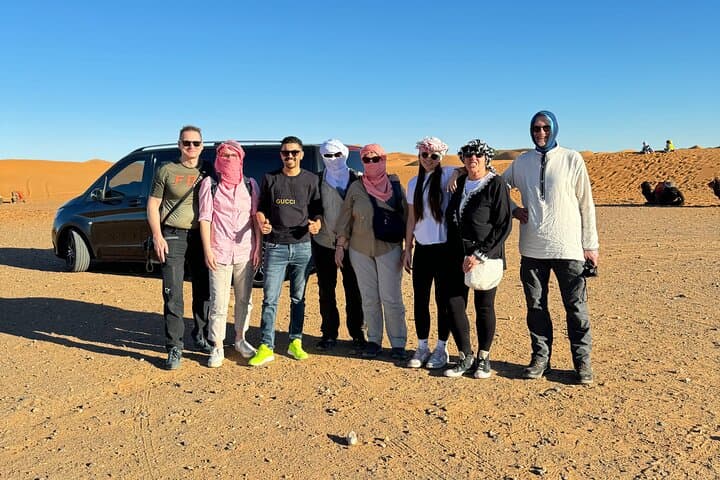
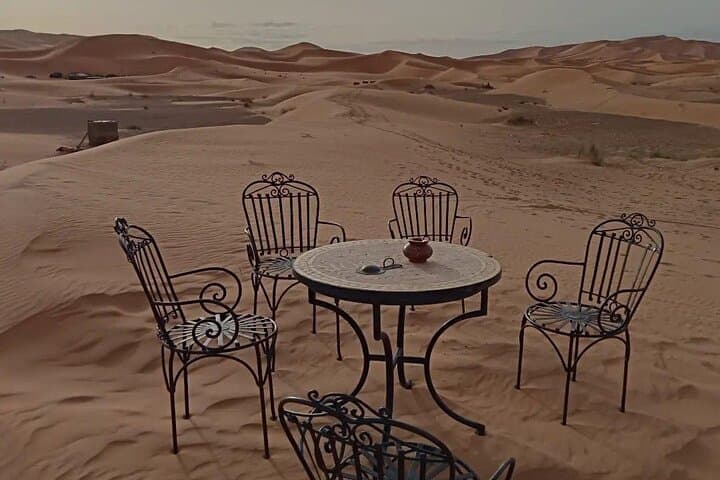
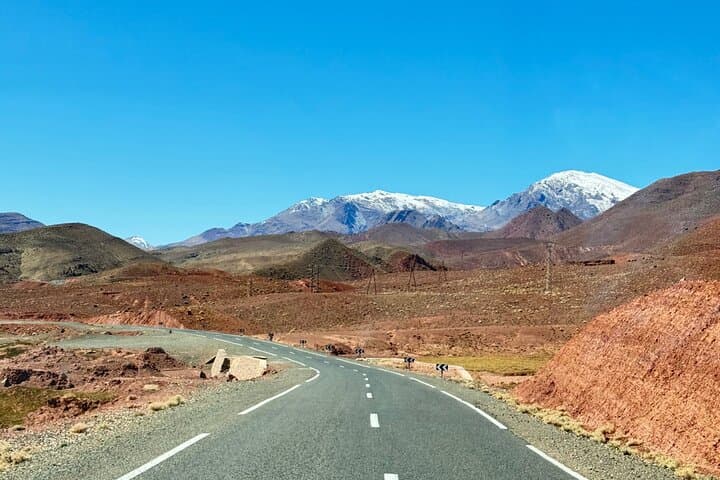
You arrive as the dunes are waking—an ocean of orange sand where wind pulls the ridgelines into new shapes each minute. Camels step sure and slow, their padded feet sinking then releasing, and the desert seems to breathe around you; the sunrise pulls color up the slopes and the silence presses close. Over three days you cross high Atlas passes, pass kasbahs clinging to red earth, and trade the city’s cadence for the wide stillness of Erg Chebbi.
You arrive as the dunes are waking—an ocean of orange sand where wind pulls the ridgelines into new shapes each minute. Camels step sure and slow, their padded feet sinking then releasing, and the desert seems to breathe around you; the sunrise pulls color up the slopes and the silence presses close. Over three days you cross high Atlas passes, pass kasbahs clinging to red earth, and trade the city’s cadence for the wide stillness of Erg Chebbi.
This route threads through centuries: Aït Ben Haddou’s mudbrick walls recall caravan trade and film crews alike, rose cooperatives in Kalaa M’Gouna mark a seasonal economy built on petals, and Berber hospitality shapes each evening at camp. Geologically, Erg Chebbi’s dunes formed from wind-driven Saharan sands—soft quartz that shifts with every breeze—while nearby gorges and oases map water’s rare, shaping work.
Expect long drives from Marrakech over Tizi n’Tichka, stops at Ouarzazate and Todra Gorge, then arrival at Merzouga for a late-afternoon camel trek into camp. Nights under canvas mean minimal facilities—bring layers, a headlamp, and water. Sunrise and sunset are peak light for photography and cooler temperatures for walking dune crests. Respect local customs: ask before photographing people and follow your guide’s route to protect fragile dune vegetation.
Practical: confirm pickup location and flight times, pack sun protection and closed-toe shoes, and allow the schedule three days to include travel. The experience balances easy physical demands with long driving stretches—reward comes in quiet skies, starlight, and the slow rhythm of camel travel.