THE ADVENTURE COLLECTIVE® · Independent discovery and booking for outdoor travel

Three days of private game drives take you across the Great Rift Valley into Masai Mara’s grasslands for Big Five viewing and the annual wildebeest migration. Expect long drives, dawn-and-dusk game viewing, lodge nights, and optional balloon or village visits.
Three days of private game drives take you across the Great Rift Valley into Masai Mara’s grasslands for Big Five viewing and the annual wildebeest migration. Expect long drives, dawn-and-dusk game viewing, lodge nights, and optional balloon or village visits.
Dawn pulls a cool hush across the Mara; headlights catch dust as a Land Cruiser threads between acacia silhouettes and the river’s braided channels. You feel the reserve before you see it — distant grunts, the gull-like keening of vultures, and a horizon that seems to belong to the animals.
Verified experiences and guided adventures in the surrounding area.
Operated by Perfect Safaris · Talek, Narok County
Dawn pulls a cool hush across the Mara; headlights catch dust as a Land Cruiser threads between acacia silhouettes and the river’s braided channels. You feel the reserve before you see it — distant grunts, the gull-like keening of vultures, and a horizon that seems to belong to the animals.
The Masai Mara sits on the floor of the Great Rift Valley — an open grassland carved by tectonic forces and fed by seasonal rains. It’s been home to Maasai pastoral communities for centuries; their semi-nomadic culture still shapes the human footprint here. Geologically, the Mara’s escarpments drum up dramatic viewpoints where the migration gathers momentum between July and October, when more than a million wildebeest and thousands of zebra cross into the reserve in search of pasture.
Over three days you’ll drive from Nairobi, cross the rift, and spend full days in pop-up-light game drives aimed at Big Five encounters and river crossings. Lodges along the western escarpment offer raised viewing decks and evening buffets; optional extras include balloon safaris and Maasai village visits. Expect long days of scanning plains and short walks to overlooks — not strenuous, but best for travelers comfortable with uneven jeep steps and dusty roads.
Practical pointers: rise for first light drives, bring a good pair of binoculars and a telephoto lens, and use layered clothing for big temperature swings. Hydrate in the dry heat, carry cash for village fees and tips, and follow ranger briefings — they keep sightlines safe and wildlife undisturbed. This is a safari of observation and patience, where the landscape often makes the first move.
easy.
3 days.
Suitable for most fitness levels; participants should be able to climb in/out of a 4x4 and walk short, uneven distances.
The drive is typically 5–6 hours depending on traffic and road conditions, with a scenic stop at a Rift Valley viewpoint.
Village visits are usually optional and charged separately (about USD 20); ask in advance if you want to include cultural tours or overnight stays.
The peak Mara season is July–October when herds often cross into the reserve; sightings can vary year to year based on rains and grazing.
No mandatory vaccines for entry beyond standard recommendations, but yellow fever proof may be required if arriving from endemic countries; check health advisories and consider malaria prophylaxis.
The Maasai people have grazed these plains for centuries and maintain cultural ties to the land; colonial-era roads later opened the Mara to tourist safaris.
Conservation hinges on land-use balance between pastoralism and tourism; support community-run initiatives and follow park rules to minimize disturbance.
Perfect Safaris operates guided outdoor trips and adventures with an emphasis on safety, stewardship, and memorable experiences.
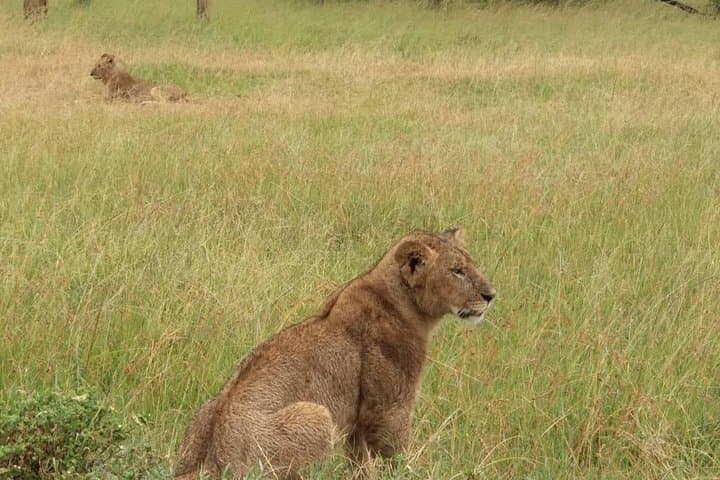


Dawn pulls a cool hush across the Mara; headlights catch dust as a Land Cruiser threads between acacia silhouettes and the river’s braided channels. You feel the reserve before you see it — distant grunts, the gull-like keening of vultures, and a horizon that seems to belong to the animals.
Dawn pulls a cool hush across the Mara; headlights catch dust as a Land Cruiser threads between acacia silhouettes and the river’s braided channels. You feel the reserve before you see it — distant grunts, the gull-like keening of vultures, and a horizon that seems to belong to the animals.
The Masai Mara sits on the floor of the Great Rift Valley — an open grassland carved by tectonic forces and fed by seasonal rains. It’s been home to Maasai pastoral communities for centuries; their semi-nomadic culture still shapes the human footprint here. Geologically, the Mara’s escarpments drum up dramatic viewpoints where the migration gathers momentum between July and October, when more than a million wildebeest and thousands of zebra cross into the reserve in search of pasture.
Over three days you’ll drive from Nairobi, cross the rift, and spend full days in pop-up-light game drives aimed at Big Five encounters and river crossings. Lodges along the western escarpment offer raised viewing decks and evening buffets; optional extras include balloon safaris and Maasai village visits. Expect long days of scanning plains and short walks to overlooks — not strenuous, but best for travelers comfortable with uneven jeep steps and dusty roads.
Practical pointers: rise for first light drives, bring a good pair of binoculars and a telephoto lens, and use layered clothing for big temperature swings. Hydrate in the dry heat, carry cash for village fees and tips, and follow ranger briefings — they keep sightlines safe and wildlife undisturbed. This is a safari of observation and patience, where the landscape often makes the first move.