THE ADVENTURE COLLECTIVE® · Independent discovery and booking for outdoor travel

Three days of private game drives in Masai Mara National Reserve offer vehicle-based viewing of the Big Five and, seasonally, the Great Migration. Mid-range lodging, full-board meals, and experienced guides make this an accessible introduction to East African safari.
Three days of private game drives in Masai Mara National Reserve offer vehicle-based viewing of the Big Five and, seasonally, the Great Migration. Mid-range lodging, full-board meals, and experienced guides make this an accessible introduction to East African safari.
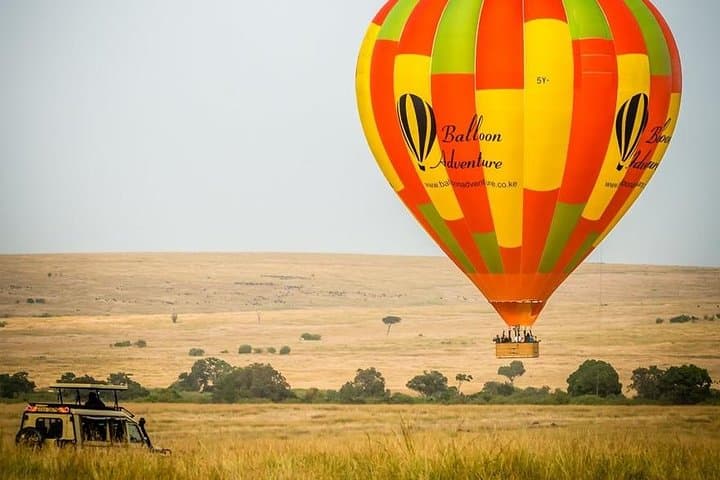
Dawn colors the rolling grasslands of the Masai Mara as a Land Cruiser eases along a dusty track. Acacia silhouettes pierce the cool air, and the river—fed by distant highlands—pushes along hippos and crocodiles, daring observers to lean closer. Over three days visitors move between morning and evening game drives, lodge meals, and quiet watch-points where lions loiter like patient kings.
Verified experiences and guided adventures in the surrounding area.
Operated by African Paradise Safaris · Masai Mara National Reserve, Narok County
Dawn colors the rolling grasslands of the Masai Mara as a Land Cruiser eases along a dusty track. Acacia silhouettes pierce the cool air, and the river—fed by distant highlands—pushes along hippos and crocodiles, daring observers to lean closer. Over three days visitors move between morning and evening game drives, lodge meals, and quiet watch-points where lions loiter like patient kings.
The Mara sits on the edge of the East African Rift, its low hills and riverine gallery forest sculpted by volcanic soils and seasonal floods. The reserve—about 1,792 sq km—is famous for the Great Migration: millions of wildebeest and zebra sweeping through between July and October. The Maasai people, whose pastoral culture defines much of the region’s human history, still graze cattle on the reserve’s borders and maintain many cultural tourism exchanges.
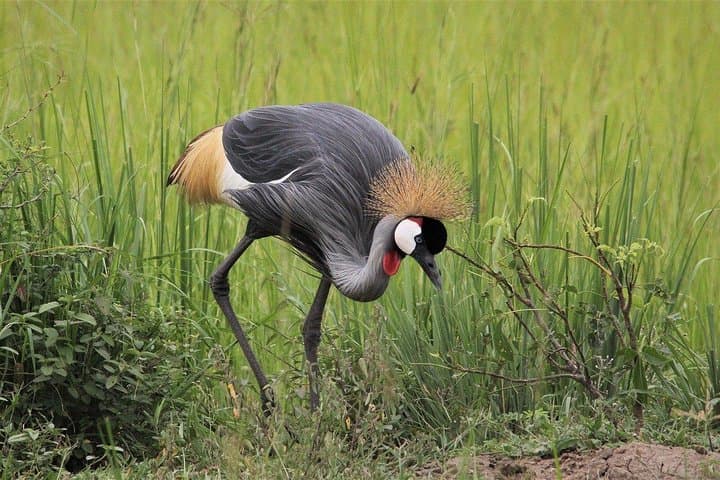
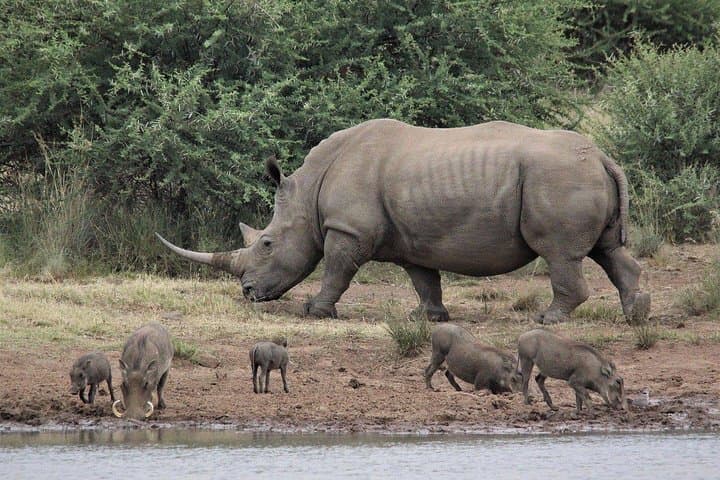
Expect close vehicle-based viewing of the big five, cheetah on open plains, and a rich bird roster along the Mara River. Lodging is mid-range at Jambo Mara Safari Lodge with full-board meals included and private transfers to Nairobi.
Practical guidance: pack layered clothing for temperature swings, a good pair of binoculars and a long-lens camera, sunscreen, and refillable water. Game drives start early—bring a light jacket and motion-sickness remedy if you’re prone to rough dirt tracks. Respect wildlife distances and your guide’s instructions; tracks and river crossings change with season. Finally, plan arrivals and departures with buffer time—road transfers can be slow—and carry copies of travel and vaccination documents.
easy.
3 days.
Suitable for most fitness levels; involves long periods in a vehicle and short, optional walks at lodges
The tour includes private transfers, full-board accommodation at Jambo Mara Safari Lodge, three lunches, guided morning and afternoon game drives, and airport/hotel pickup in Nairobi.
The migration commonly moves through the Masai Mara between July and October, though timings vary yearly—your guide can advise current movement patterns.
Yes—infants are welcome but must sit on laps per the tour’s policy; specialized infant seats are available on request.
Visitors typically need a valid visa for Kenya and should be up to date on routine vaccines; check current health advisories for Yellow Fever and malaria precautions.
The Masai Mara was designated a game reserve in the 1960s and is part of the larger Serengeti ecosystem; the Maasai people have grazed these plains for centuries.
The reserve relies on tourism fees and community conservation agreements; visitors can support sustainable practices by minimizing waste and following guide instructions.
African Paradise Safaris operates guided outdoor trips and adventures with an emphasis on safety, stewardship, and memorable experiences.
Dawn colors the rolling grasslands of the Masai Mara as a Land Cruiser eases along a dusty track. Acacia silhouettes pierce the cool air, and the river—fed by distant highlands—pushes along hippos and crocodiles, daring observers to lean closer. Over three days visitors move between morning and evening game drives, lodge meals, and quiet watch-points where lions loiter like patient kings.
Dawn colors the rolling grasslands of the Masai Mara as a Land Cruiser eases along a dusty track. Acacia silhouettes pierce the cool air, and the river—fed by distant highlands—pushes along hippos and crocodiles, daring observers to lean closer. Over three days visitors move between morning and evening game drives, lodge meals, and quiet watch-points where lions loiter like patient kings.
The Mara sits on the edge of the East African Rift, its low hills and riverine gallery forest sculpted by volcanic soils and seasonal floods. The reserve—about 1,792 sq km—is famous for the Great Migration: millions of wildebeest and zebra sweeping through between July and October. The Maasai people, whose pastoral culture defines much of the region’s human history, still graze cattle on the reserve’s borders and maintain many cultural tourism exchanges.
Expect close vehicle-based viewing of the big five, cheetah on open plains, and a rich bird roster along the Mara River. Lodging is mid-range at Jambo Mara Safari Lodge with full-board meals included and private transfers to Nairobi.
Practical guidance: pack layered clothing for temperature swings, a good pair of binoculars and a long-lens camera, sunscreen, and refillable water. Game drives start early—bring a light jacket and motion-sickness remedy if you’re prone to rough dirt tracks. Respect wildlife distances and your guide’s instructions; tracks and river crossings change with season. Finally, plan arrivals and departures with buffer time—road transfers can be slow—and carry copies of travel and vaccination documents.