THE ADVENTURE COLLECTIVE® · Independent discovery and booking for outdoor travel

Three days across Greece’s southern mainland takes you from the engineering marvel of the Corinth Canal to the stadium of Olympia and the oracle at Delphi. This private itinerary blends archaeological highlights, driving through olive country, and time in picture-book towns.
Three days across Greece’s southern mainland takes you from the engineering marvel of the Corinth Canal to the stadium of Olympia and the oracle at Delphi. This private itinerary blends archaeological highlights, driving through olive country, and time in picture-book towns.
You pull away from Athens before the traffic wakes and the road narrows past sun-baked olive groves that seem to lean toward the sea.
Verified experiences and guided adventures in the surrounding area.
Operated by Tour In Greece - TIG travel · Athens, Attica
You pull away from Athens before the traffic wakes and the road narrows past sun-baked olive groves that seem to lean toward the sea.
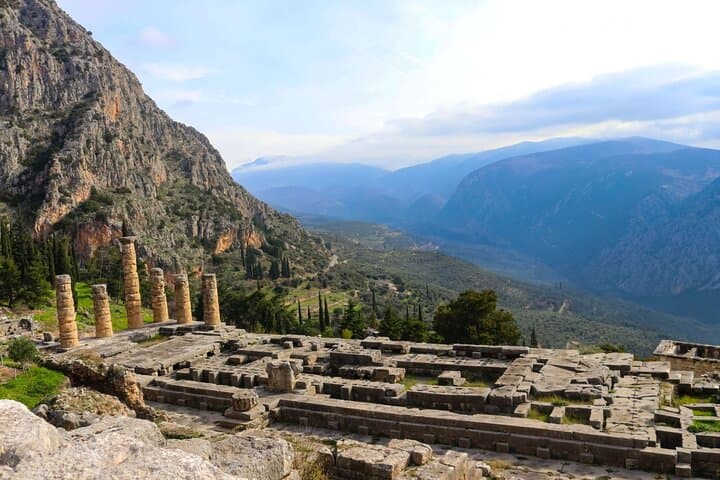
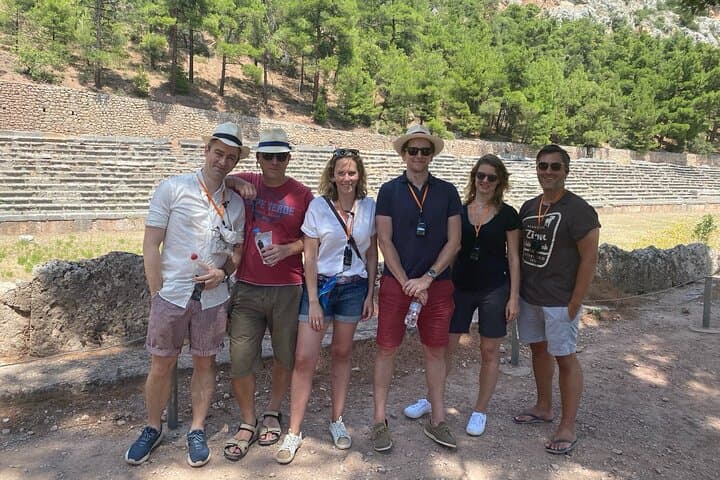
Daylight first finds you at the narrow ribbon of the Corinth Canal — a late-19th-century engineering cut that forces the Gulf of Corinth and the Saronic Gulf to stare at one another across a cliff. From there the itinerary moves through archaeological stages: the imposing walls and Lion Gate of Mycenae, the jaw-dropping acoustics of Epidaurus’ theatre, the ceremonial sweep of Olympia’s original stadium and finally the mountain-hung sanctuary of Delphi.
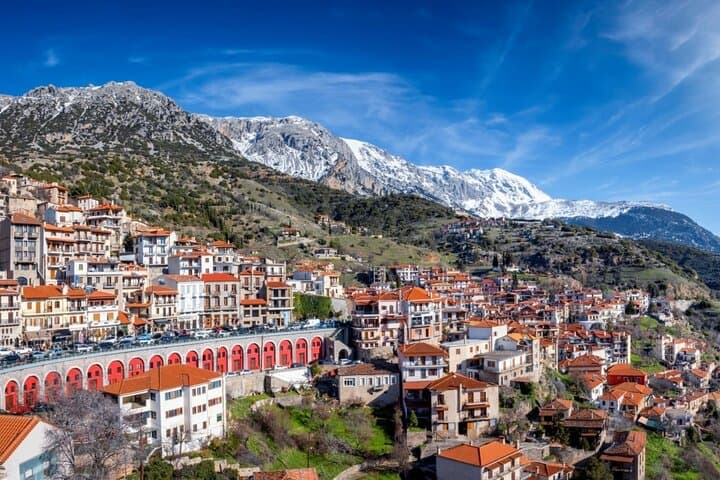
Geology here is visible in the white limestone slopes around Delphi and the folded Peloponnesian ridges that funnel weather and shape villages; culture arrives in stone and speech — small-town tavernas, the chiseled inscriptions in museum halls, and Arachova’s slate roofs hugging the mountainside.
Practicalities shape the days. Expect several hours of driving broken by guided walks on uneven flagstone and packed-earth surfaces; steps at sanctuaries are steep and exposed. Start early to beat heat and crowds, pack sun protection and at least 1–2 liters of water, and leave a flexible morning for museum visits (chaperoned entry times vary).
Moderate fitness and steady footwear will make ruins accessible, and a compact daypack keeps essentials close. Bring layers for Delphi’s higher altitude where wind can turn cool even in summer. The trip pairs history with scenery — temples that still ask questions and olive trees that keep their counsel.
moderate.
3 days.
Moderate — able to walk 2–4 miles (3–6 km) in a day over uneven terrain and climb stone steps
Yes — private, air-conditioned transportation with onboard Wi‑Fi and bottled water is provided throughout the three days.
All fees and taxes are listed as included, but check whether any special exhibitions or optional activities require extra payment.
Expect 1–3 hours of guided walking per day with uneven surfaces and steps; a moderate fitness level is recommended.
Yes — stroller access is possible and infant seats are available; notify the operator at booking for arrangements.
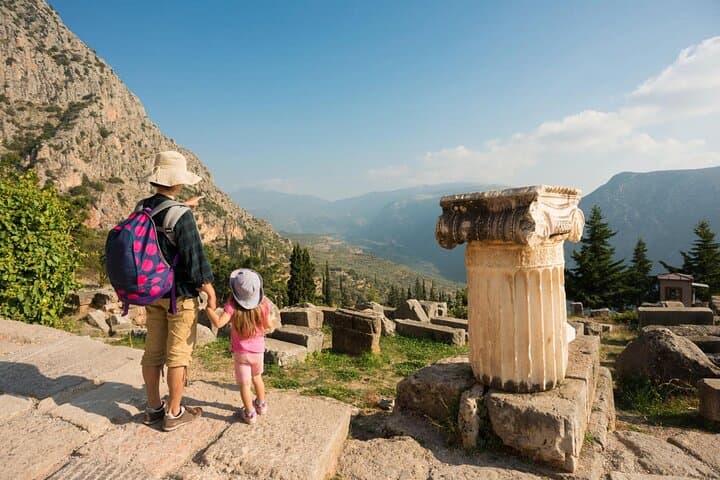
The route links four UNESCO-classic sites: monumental Mycenae, the sanctuary of Asclepius at Epidaurus, the birthplace of the Olympic Games at Olympia and the pan-Hellenic oracle at Delphi.
High visitor numbers stress fragile ruins and soil; follow marked paths, avoid touching delicate stonework and support local preservation initiatives when possible.
Tour In Greece - TIG travel operates guided outdoor trips and adventures with an emphasis on safety, stewardship, and memorable experiences.
You pull away from Athens before the traffic wakes and the road narrows past sun-baked olive groves that seem to lean toward the sea.
You pull away from Athens before the traffic wakes and the road narrows past sun-baked olive groves that seem to lean toward the sea.
Daylight first finds you at the narrow ribbon of the Corinth Canal — a late-19th-century engineering cut that forces the Gulf of Corinth and the Saronic Gulf to stare at one another across a cliff. From there the itinerary moves through archaeological stages: the imposing walls and Lion Gate of Mycenae, the jaw-dropping acoustics of Epidaurus’ theatre, the ceremonial sweep of Olympia’s original stadium and finally the mountain-hung sanctuary of Delphi.
Geology here is visible in the white limestone slopes around Delphi and the folded Peloponnesian ridges that funnel weather and shape villages; culture arrives in stone and speech — small-town tavernas, the chiseled inscriptions in museum halls, and Arachova’s slate roofs hugging the mountainside.
Practicalities shape the days. Expect several hours of driving broken by guided walks on uneven flagstone and packed-earth surfaces; steps at sanctuaries are steep and exposed. Start early to beat heat and crowds, pack sun protection and at least 1–2 liters of water, and leave a flexible morning for museum visits (chaperoned entry times vary).
Moderate fitness and steady footwear will make ruins accessible, and a compact daypack keeps essentials close. Bring layers for Delphi’s higher altitude where wind can turn cool even in summer. The trip pairs history with scenery — temples that still ask questions and olive trees that keep their counsel.