THE ADVENTURE COLLECTIVE® · Independent discovery and booking for outdoor travel

Three days distill Jordan’s sweep: Roman Jerash, the carved city of Petra, and the buoyant calm of the Dead Sea. This private itinerary pairs efficient logistics with time to walk, look, and float.
Three days distill Jordan’s sweep: Roman Jerash, the carved city of Petra, and the buoyant calm of the Dead Sea. This private itinerary pairs efficient logistics with time to walk, look, and float.
You step into Jordan on a cool Amman morning, the city’s honey-colored limestone rising from the hills as a private driver collects you for a northbound run to Jerash. Columns and broad stone avenues open like a living film set; wind pushes dust along the cardo while stone theatres still carry voices.
Verified experiences and guided adventures in the surrounding area.
Operated by VIP Jordan Limo · Amman, Amman Governorate
You step into Jordan on a cool Amman morning, the city’s honey-colored limestone rising from the hills as a private driver collects you for a northbound run to Jerash. Columns and broad stone avenues open like a living film set; wind pushes dust along the cardo while stone theatres still carry voices.
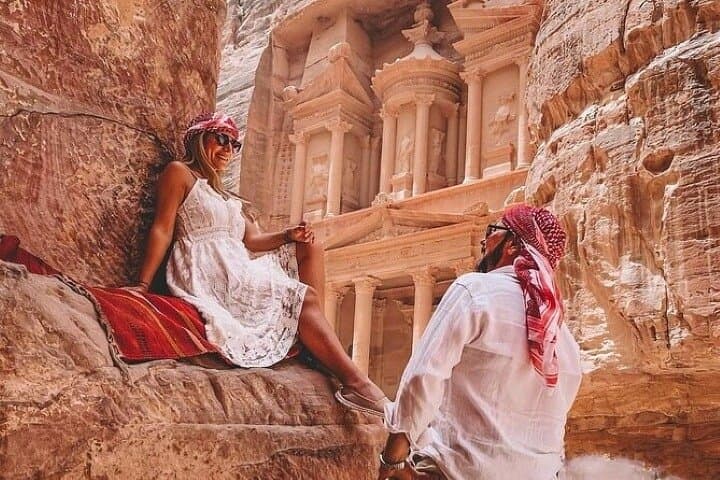
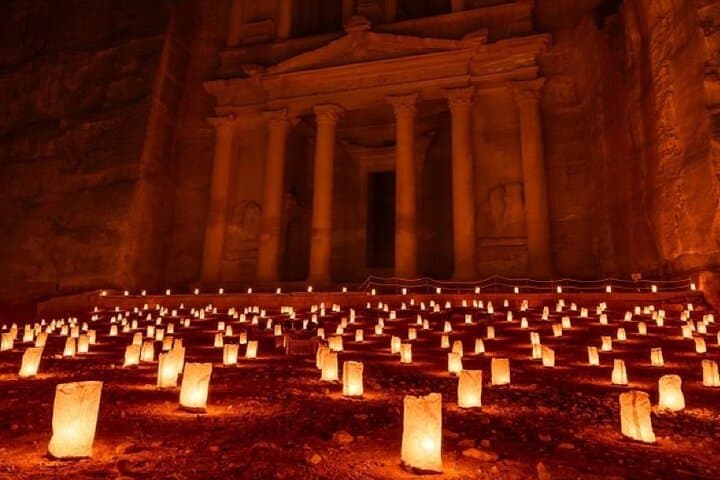
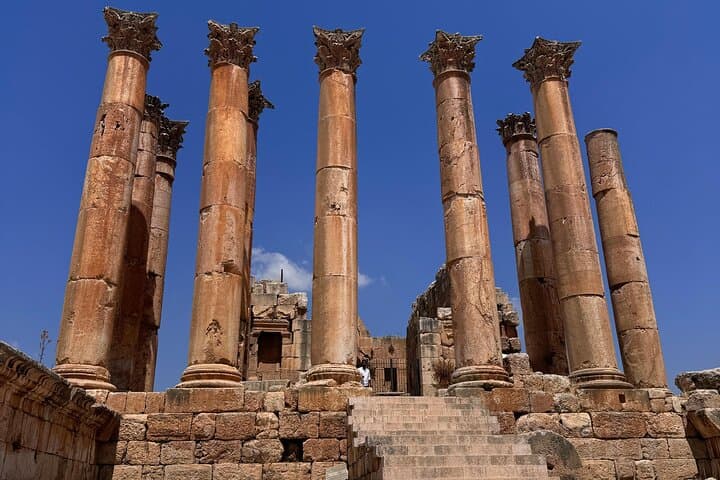
Jerash is Roman discipline meeting Levantine light—triumphal arches, temples to Zeus and Artemis, and plazas that teach you how empire moves through place. A long scenic drive later, the desert highway funnels you into Wadi Musa and the Siq’s narrow throat. Petra’s rose-red façades are geological sculpture: compacted sand, erosional banding and soft sandstone that Nabataean masons carved with precise geometry and an eye for theatrical reveal. Culture here is a layered conversation—Nabataean ingenuity, Roman urbanism, and Bedouin stewardship into modern tourism.
The final day brings the Dead Sea: an otherworldly calm where buoyancy replaces slogging, and mineral-rich mud draws out heat and fatigue. Along the way you’ll see shepherded hills, abrupt escarpments, and the practical rhythms of Jordanian hospitality.
Practical guidance: Carry cash and your Jordan Pass to streamline entry to Petra; plan early starts to avoid midday heat; wear sturdy shoes for uneven stone and bring a hat and sunscreen. Distances are long—expect several hours driving between sites—but each stretch contains its own landscapes. With a private vehicle and driver, logistics feel relaxed, giving you time to pace walks, linger in ruins, and finish with a restorative float at the Dead Sea.
moderate.
3 days.
Light to moderate fitness: expect several hours of walking over uneven stone and short climbs; comfortable for active travelers.
Yes—buying the Jordan Pass before arrival typically covers Petra entry and helps avoid separate ticket lines; check the pass type for duration options.
This private tour description typically excludes national site admission by default; confirm if your booking includes Petra and Jerash tickets or if you should purchase the Jordan Pass.
Expect 3–5 hours of walking to see core sites like the Treasury and amphitheater, with uneven surfaces and some inclines; a horse or carriage covers part of the Siq for an extra fee.
Floating is safe and popular—avoid shaving beforehand, protect open cuts from salty water, and rinse off in resort showers after floating.
Jerash preserves one of the largest and best-restored Roman provincial cities outside Italy; Petra was the Nabataean capital and a crucial incense-trade hub carved into sandstone cliffs.
Sites are vulnerable to erosion and foot traffic; visitors should stay on marked paths, avoid touching carved façades, and support local conservation fees and community-run programs.
VIP Jordan Limo operates guided outdoor trips and adventures with an emphasis on safety, stewardship, and memorable experiences.

You step into Jordan on a cool Amman morning, the city’s honey-colored limestone rising from the hills as a private driver collects you for a northbound run to Jerash. Columns and broad stone avenues open like a living film set; wind pushes dust along the cardo while stone theatres still carry voices.
You step into Jordan on a cool Amman morning, the city’s honey-colored limestone rising from the hills as a private driver collects you for a northbound run to Jerash. Columns and broad stone avenues open like a living film set; wind pushes dust along the cardo while stone theatres still carry voices.
Jerash is Roman discipline meeting Levantine light—triumphal arches, temples to Zeus and Artemis, and plazas that teach you how empire moves through place. A long scenic drive later, the desert highway funnels you into Wadi Musa and the Siq’s narrow throat. Petra’s rose-red façades are geological sculpture: compacted sand, erosional banding and soft sandstone that Nabataean masons carved with precise geometry and an eye for theatrical reveal. Culture here is a layered conversation—Nabataean ingenuity, Roman urbanism, and Bedouin stewardship into modern tourism.
The final day brings the Dead Sea: an otherworldly calm where buoyancy replaces slogging, and mineral-rich mud draws out heat and fatigue. Along the way you’ll see shepherded hills, abrupt escarpments, and the practical rhythms of Jordanian hospitality.
Practical guidance: Carry cash and your Jordan Pass to streamline entry to Petra; plan early starts to avoid midday heat; wear sturdy shoes for uneven stone and bring a hat and sunscreen. Distances are long—expect several hours driving between sites—but each stretch contains its own landscapes. With a private vehicle and driver, logistics feel relaxed, giving you time to pace walks, linger in ruins, and finish with a restorative float at the Dead Sea.