THE ADVENTURE COLLECTIVE® · Independent discovery and booking for outdoor travel

Cross borders and centuries on a private three-day route from Jerusalem to Jordan’s crown jewels. Explore Petra’s carved corridors at dawn, then trade canyon shadow for desert horizon in Wadi Rum under a sky full of stars.
Cross borders and centuries on a private three-day route from Jerusalem to Jordan’s crown jewels. Explore Petra’s carved corridors at dawn, then trade canyon shadow for desert horizon in Wadi Rum under a sky full of stars.
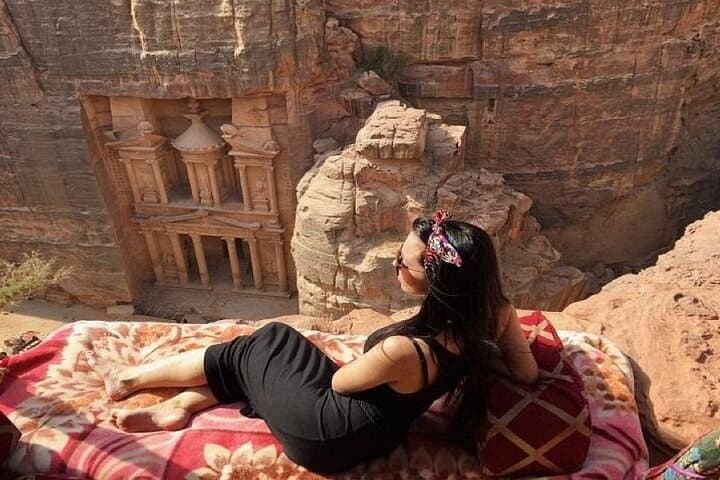
You step into the Siq before dawn and feel the gorge tighten around you—the sandstone walls soak up the morning cold and reflect light in slow, pink pulses. The Treasury appears as if it has been waiting, its carved façade blinking in the widening day. That first hour in Petra is the kind of moment that rewrites expectations: history here is physical, not just narrated.
Verified experiences and guided adventures in the surrounding area.
Operated by VIP Jordan Limo · Wadi Musa, Ma'an Governorate
You step into the Siq before dawn and feel the gorge tighten around you—the sandstone walls soak up the morning cold and reflect light in slow, pink pulses. The Treasury appears as if it has been waiting, its carved façade blinking in the widening day. That first hour in Petra is the kind of moment that rewrites expectations: history here is physical, not just narrated.
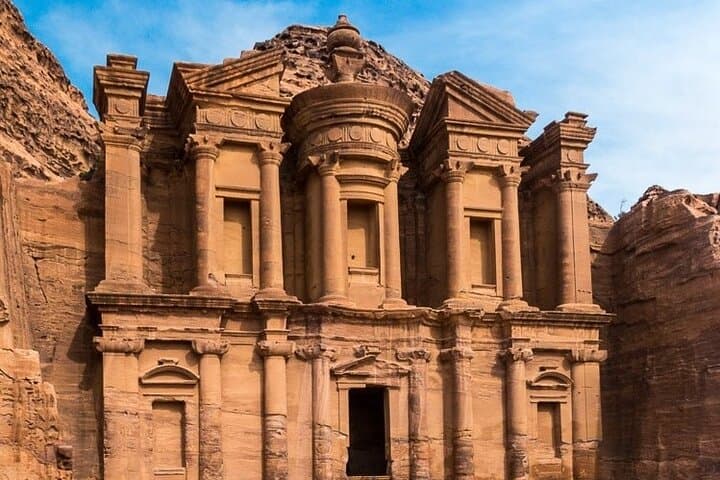
This private, three-day route threads two of Jordan’s most magnetic places. Day one is a practical crossing: a transfer from Jerusalem to the Allenby/King Hussein Bridge, border formalities, then a scenic three-hour drive that drops you into Wadi Musa—Petra’s small town base. Day two is Petra in full: the Siq, the Street of Facades, Roman Theater, and optional climbs to the High Place of Sacrifice or the Monastery. Late afternoon, the route swings south to Wadi Rum: a lunar expanse of red sands and towering sandstone and granite outcrops where a Jeep safari cuts tracks across dunes and a desert camp organizes the nocturnal show of stars.
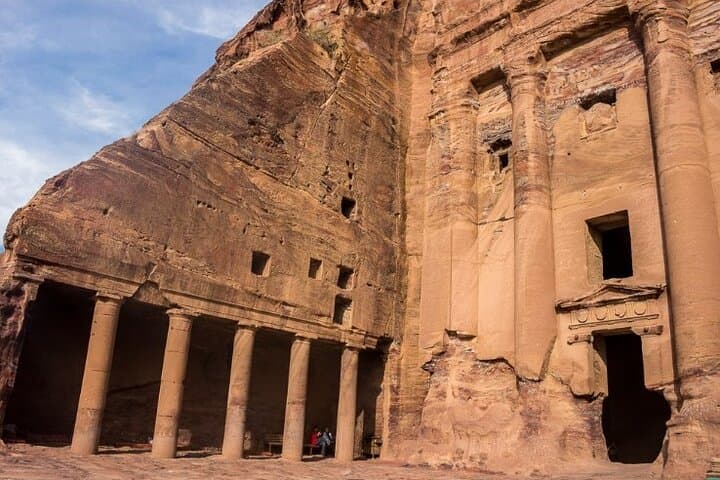
Petra’s story is Nabataean engineering—water channels, rock-cut tombs and trade routes that linked Arabia to the Mediterranean—still visible in the city’s carved cisterns and façades. Wadi Rum’s geology is older and wilder: wind and episodic floods sculpted arches, domes and canyons from volcanic and sandstone layers, creating the stark silhouettes that attracted filmmakers and explorers, and that once sheltered the itinerant Bedouin tribes whose hospitality remains the desert’s human rhythm.
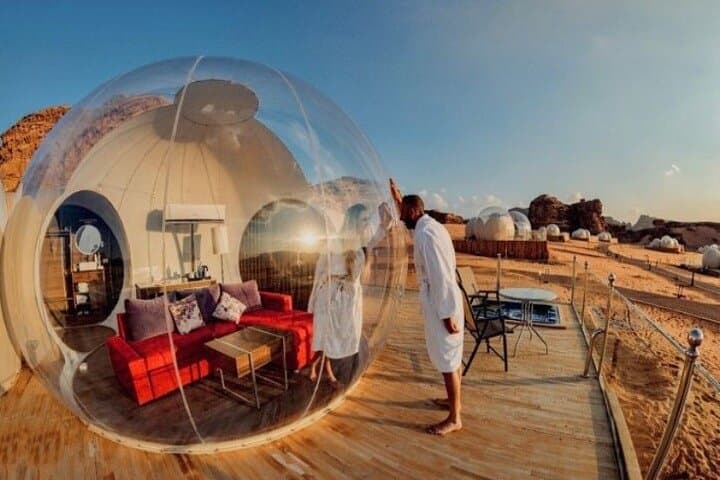
Practicalities are the backbone of this itinerary. Travelers must secure a Jordan Pass before arrival to cover entry and many site fees and should carry passports and any visa documents for border control. The crossing via Allenby/King Hussein Bridge requires paperwork time—plan for a couple of hours—and your Jordanian driver meets you on the far side to continue the drive. Overnight options range from 3★ hotels in Wadi Musa to luxury camps in Wadi Rum; pick a desert camp with insulated tents if you want creature comforts.
Physically, Petra is moderate—expect several miles of walking on uneven stone and sandy trails if you aim for higher viewpoints. Wadi Rum’s jeep safaris are low-impact but bring wind, sun and cold nights. Pack a refillable water bottle, sturdy shoes, layered clothing for sharp diurnal swings, and a small daypack for cameras and sunscreen. If you’re chasing light, schedule Petra for sunrise and Wadi Rum for late-afternoon photography.
This private tour is designed for travelers who want maximum logistics and minimum line-waiting—an efficient corridor into two very different Jordanian landscapes, linked by ancient trade routes and modern roads, with time to feel both the weight of carved history and the desert’s wide, patient quiet.
moderate.
3 days.
Moderate fitness: able to walk several miles on uneven ground and handle short steep sections; not recommended for those with limited mobility without assistance.
Many nationalities can obtain a visa on arrival, but buying the Jordan Pass in advance covers visa costs for eligible visitors and entry fees—confirm your status before travel.
Border procedures at Allenby/King Hussein Bridge typically take 1–3 hours depending on queues and documentation; private transfers aim to minimize delays but allocate extra time in your schedule.
Camps vary from basic Bedouin-style tents to luxury setups with private bathrooms and heating—choose based on your comfort preference when booking.
Yes—both activities are usually available at additional cost; book in advance through your tour operator, and remember balloon rides are weather-dependent.
The operator lists wheelchair accessibility for transfers, but Petra’s main archaeological areas and Wadi Rum terrain include uneven paths and steps that restrict full mobility—check specifics with the supplier before booking.
The tour includes one small or medium-sized bag per guest; larger baggage may be limited—confirm allowances when you reserve.
Petra was the Nabataean capital and a preeminent caravan hub; Wadi Rum carries layers of Bedouin history and was a base for T.E. Lawrence during the Arab Revolt.
Water is scarce across southern Jordan—use refillable bottles and support camps that practice responsible waste disposal; stick to marked paths to protect fragile desert crust.
VIP Jordan Limo operates guided outdoor trips and adventures with an emphasis on safety, stewardship, and memorable experiences.
You step into the Siq before dawn and feel the gorge tighten around you—the sandstone walls soak up the morning cold and reflect light in slow, pink pulses. The Treasury appears as if it has been waiting, its carved façade blinking in the widening day. That first hour in Petra is the kind of moment that rewrites expectations: history here is physical, not just narrated.
You step into the Siq before dawn and feel the gorge tighten around you—the sandstone walls soak up the morning cold and reflect light in slow, pink pulses. The Treasury appears as if it has been waiting, its carved façade blinking in the widening day. That first hour in Petra is the kind of moment that rewrites expectations: history here is physical, not just narrated.
This private, three-day route threads two of Jordan’s most magnetic places. Day one is a practical crossing: a transfer from Jerusalem to the Allenby/King Hussein Bridge, border formalities, then a scenic three-hour drive that drops you into Wadi Musa—Petra’s small town base. Day two is Petra in full: the Siq, the Street of Facades, Roman Theater, and optional climbs to the High Place of Sacrifice or the Monastery. Late afternoon, the route swings south to Wadi Rum: a lunar expanse of red sands and towering sandstone and granite outcrops where a Jeep safari cuts tracks across dunes and a desert camp organizes the nocturnal show of stars.
Petra’s story is Nabataean engineering—water channels, rock-cut tombs and trade routes that linked Arabia to the Mediterranean—still visible in the city’s carved cisterns and façades. Wadi Rum’s geology is older and wilder: wind and episodic floods sculpted arches, domes and canyons from volcanic and sandstone layers, creating the stark silhouettes that attracted filmmakers and explorers, and that once sheltered the itinerant Bedouin tribes whose hospitality remains the desert’s human rhythm.
Practicalities are the backbone of this itinerary. Travelers must secure a Jordan Pass before arrival to cover entry and many site fees and should carry passports and any visa documents for border control. The crossing via Allenby/King Hussein Bridge requires paperwork time—plan for a couple of hours—and your Jordanian driver meets you on the far side to continue the drive. Overnight options range from 3★ hotels in Wadi Musa to luxury camps in Wadi Rum; pick a desert camp with insulated tents if you want creature comforts.
Physically, Petra is moderate—expect several miles of walking on uneven stone and sandy trails if you aim for higher viewpoints. Wadi Rum’s jeep safaris are low-impact but bring wind, sun and cold nights. Pack a refillable water bottle, sturdy shoes, layered clothing for sharp diurnal swings, and a small daypack for cameras and sunscreen. If you’re chasing light, schedule Petra for sunrise and Wadi Rum for late-afternoon photography.
This private tour is designed for travelers who want maximum logistics and minimum line-waiting—an efficient corridor into two very different Jordanian landscapes, linked by ancient trade routes and modern roads, with time to feel both the weight of carved history and the desert’s wide, patient quiet.