THE ADVENTURE COLLECTIVE® · Independent discovery and booking for outdoor travel

A concentrated three-day private circuit from Athens through Greece’s foundational sites — Corinth’s canal, Epidaurus’ perfect theater, Mycenae’s Bronze Age stronghold, Olympia’s sacred stadium and Delphi’s mountain oracle. Expect long drives, great archaeology, and a practical mix of walking and transport.
A concentrated three-day private circuit from Athens through Greece’s foundational sites — Corinth’s canal, Epidaurus’ perfect theater, Mycenae’s Bronze Age stronghold, Olympia’s sacred stadium and Delphi’s mountain oracle. Expect long drives, great archaeology, and a practical mix of walking and transport.
You step into a compact sweep of Greek history the moment the coastal road peels away from Athens — olive terraces and exposed limestone cliffs sliding past as the car threads toward Corinth and the Peloponnese.
Verified experiences and guided adventures in the surrounding area.
Operated by Olive Sea Travel · Athens, Attica
You step into a compact sweep of Greek history the moment the coastal road peels away from Athens — olive terraces and exposed limestone cliffs sliding past as the car threads toward Corinth and the Peloponnese.
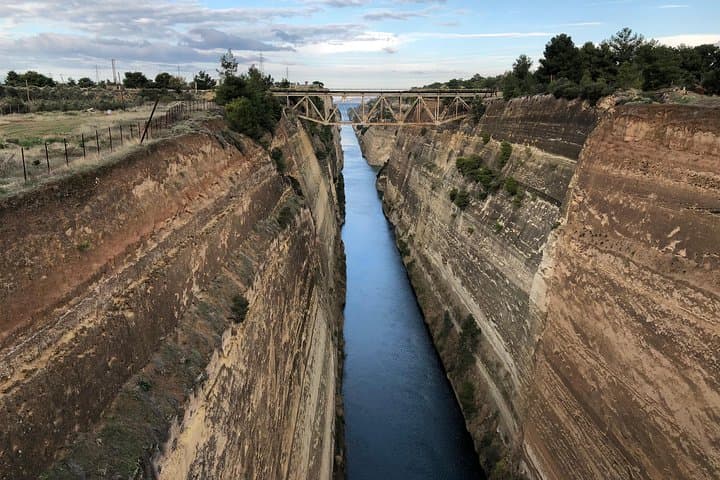
On day one the narrow pedestrian bridge above the Corinth Canal gives a sudden vertical perspective: a man-made scar cutting between seas (opened 1893) that dares you to measure distance with your heartbeat. Epidaurus climbs next, its 4th-century BCE theater perched on a quiet hill where acoustics still carry a whisper to the top row. Mycenae’s cyclopean walls and the Lions Gate bring a darker, Bronze Age note — cyclopean masonry, tholos tombs and the myths of Agamemnon palpable beneath the sun.
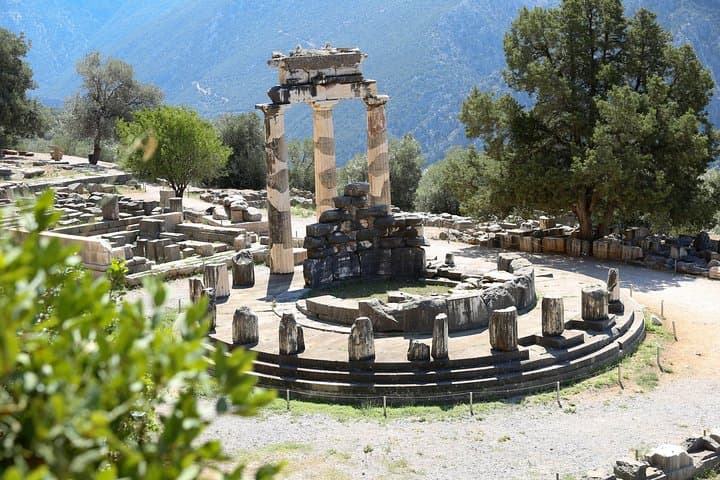
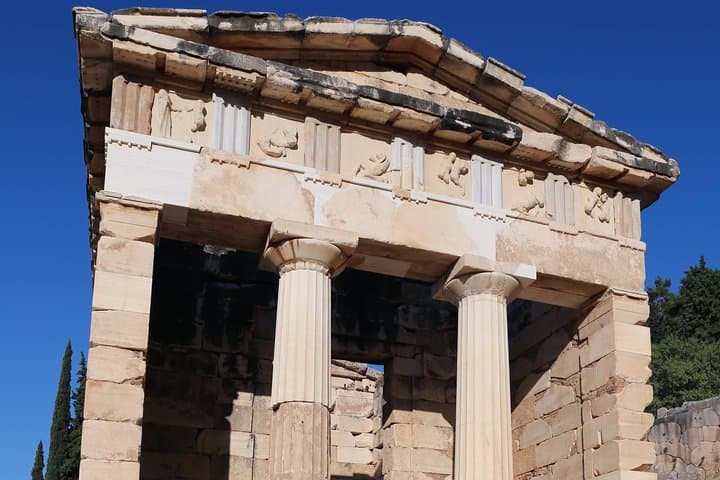
Day two turns inward to Olympia’s broad sanctuary and stadium, the origin point for a ritual that shaped the Greek world. The drive north to Delphi on day three tightens the landscape: terraced olive groves give way to granite ridges and a temple site that once claimed to be the omphalos — the world’s navel.
Practical edge: expect several hours of driving each day and a mix of paved paths, archaeological steps and uneven stone. Bring layered sun protection, sturdy walking shoes with good grip, and a small daypack for water and snacks; many sites require modest walking and some climbing. The drivers are experienced but are not licensed guides inside archaeological sites — hiring a licensed historian at key stops enhances context. Start early in summer to avoid heat, keep hydrated, and carry your passport or ID for ticketing.
moderate.
3 days.
Suitable for travelers in average fitness who can walk on uneven ground and climb steps repeatedly.
Entrance fees are typically not included; expect to pay site admissions on arrival unless explicitly stated in your booking details.
Transportation options are wheelchair accessible, but many archaeological sites have uneven terrain and steps that limit full accessibility—contact the operator to plan accommodations.
Drivers offer historical context but are not licensed to accompany you inside sites; you can hire licensed local guides at major attractions for detailed tours.
Most private departures begin and end in Athens with hotel, port or airport pickup and drop-off included per booking details.
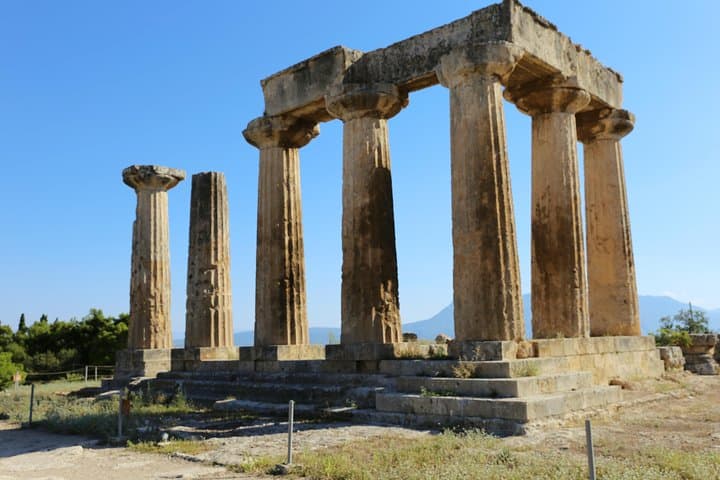
The route stitches together eras: Mycenae’s 2nd-millennium BCE citadel, Epidaurus’ classical theater, Olympia’s Panhellenic sanctuary and Delphi’s oracle shaped Greek civic and religious life for centuries.
Sites face erosion and visitor wear—stay on marked paths, avoid touching artifacts, and support local conservation fees or museums that fund preservation.
Olive Sea Travel operates guided outdoor trips and adventures with an emphasis on safety, stewardship, and memorable experiences.
You step into a compact sweep of Greek history the moment the coastal road peels away from Athens — olive terraces and exposed limestone cliffs sliding past as the car threads toward Corinth and the Peloponnese.
You step into a compact sweep of Greek history the moment the coastal road peels away from Athens — olive terraces and exposed limestone cliffs sliding past as the car threads toward Corinth and the Peloponnese.
On day one the narrow pedestrian bridge above the Corinth Canal gives a sudden vertical perspective: a man-made scar cutting between seas (opened 1893) that dares you to measure distance with your heartbeat. Epidaurus climbs next, its 4th-century BCE theater perched on a quiet hill where acoustics still carry a whisper to the top row. Mycenae’s cyclopean walls and the Lions Gate bring a darker, Bronze Age note — cyclopean masonry, tholos tombs and the myths of Agamemnon palpable beneath the sun.
Day two turns inward to Olympia’s broad sanctuary and stadium, the origin point for a ritual that shaped the Greek world. The drive north to Delphi on day three tightens the landscape: terraced olive groves give way to granite ridges and a temple site that once claimed to be the omphalos — the world’s navel.
Practical edge: expect several hours of driving each day and a mix of paved paths, archaeological steps and uneven stone. Bring layered sun protection, sturdy walking shoes with good grip, and a small daypack for water and snacks; many sites require modest walking and some climbing. The drivers are experienced but are not licensed guides inside archaeological sites — hiring a licensed historian at key stops enhances context. Start early in summer to avoid heat, keep hydrated, and carry your passport or ID for ticketing.