THE ADVENTURE COLLECTIVE® · Independent discovery and booking for outdoor travel

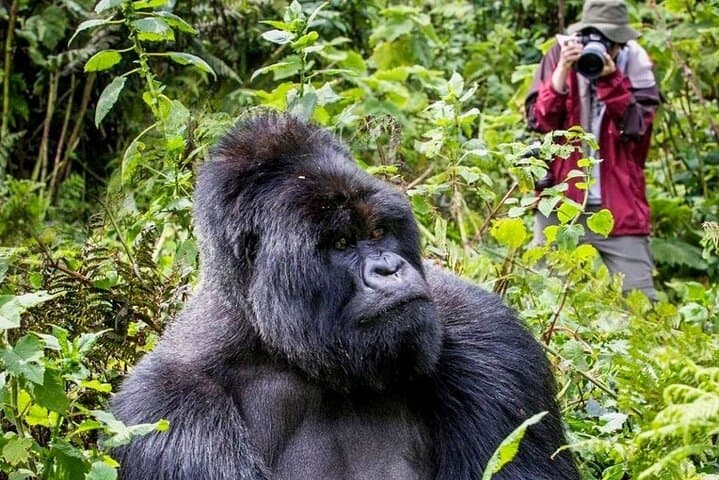
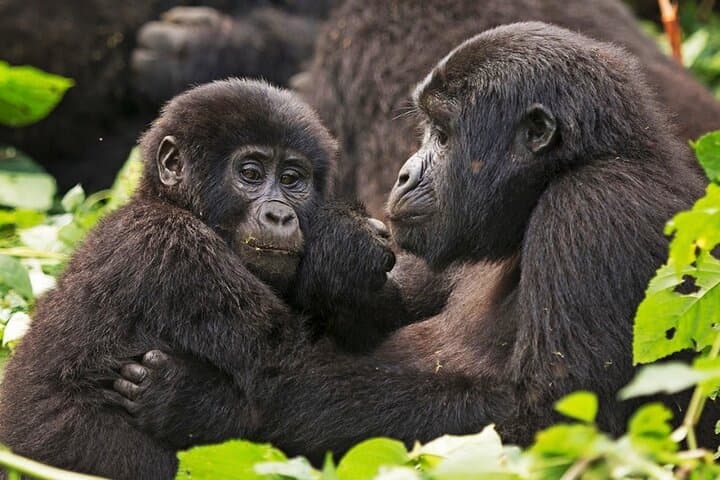
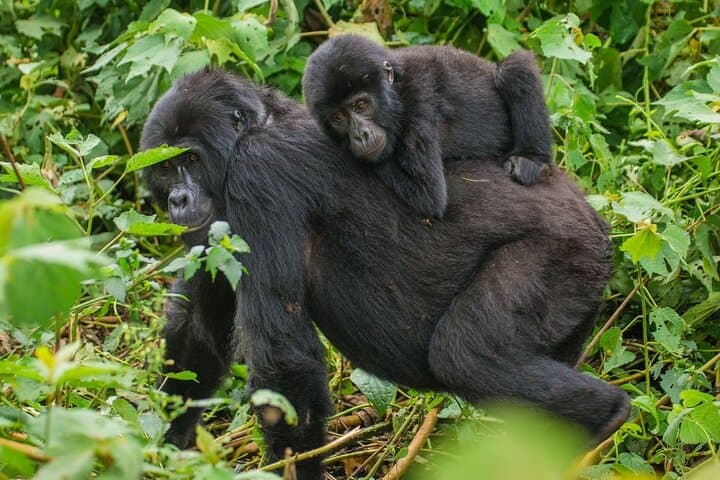
Spend three days driving from Kampala or Kigali into Bwindi, trekking through ancient montane forest to spend an hour with a mountain gorilla family. This private guided tour pairs wilderness tracking with a Batwa cultural visit and lodge-based comforts.
Spend three days driving from Kampala or Kigali into Bwindi, trekking through ancient montane forest to spend an hour with a mountain gorilla family. This private guided tour pairs wilderness tracking with a Batwa cultural visit and lodge-based comforts.
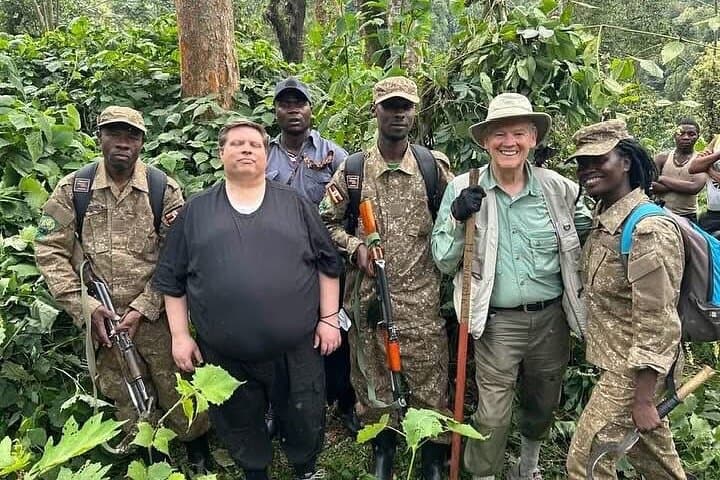
Morning mist lifts off the forest as you step from an air-conditioned vehicle into a world where trails slope steeply between moss-dark trunks and vines. On day two the rangers gather you at the park office for a 7:30 briefing; then the forest accepts you — narrow paths, sudden clearings, and the patient rustle of leaves that often announces a gorilla family before you see it.
Verified experiences and guided adventures in the surrounding area.
Operated by Sankofa Afrika Tours & Travel · Kisoro, Kisoro District
Morning mist lifts off the forest as you step from an air-conditioned vehicle into a world where trails slope steeply between moss-dark trunks and vines. On day two the rangers gather you at the park office for a 7:30 briefing; then the forest accepts you — narrow paths, sudden clearings, and the patient rustle of leaves that often announces a gorilla family before you see it.
Bwindi Impenetrable National Park sits on Uganda’s southwestern frontier, a UNESCO-listed block of montane and lowland forest carved by ancient tectonics. The park’s ridges feed regional rivers; its soils and microclimates create habitat for 163 tree species and scores of endemic birds. People shaped this place, too: the Batwa were forest stewards long before the park become a conservation priority, and a Batwa cultural visit adds human context to the trek.
Expect variable terrain: muddy, steep sections with roots and occasional ladders across gullies. A typical trek ranges from 3–10 km round trip with up to 400–600 m of elevation change depending on the gorilla family’s location, and active tracking can take 2–6 hours. Guides and rangers set the pace and enforce safety rules — keep distance, avoid sudden moves, and follow instructions.
Practicalities: permits and ranger fees are required and usually arranged by your operator; wear waterproof boots and gaiters, bring layered clothing, insect repellent, and at least 2 liters of water. Plan for long drives to and from Kampala or Kigali, and build in time for a Batwa visit or short birding detours. The payoff is close-up time with mountain gorillas — an intimate, regulated encounter that rewards patience and respect.
moderate.
3 days (daily treks 2–6 hours).
Moderate fitness required — comfortable with steep, uneven trails and several hours of walking; some participants use trekking poles.
Permits are required for Bwindi and are typically arranged by the tour operator; confirm inclusion when you book as availability changes.
Treks vary — some groups are close to trailheads (short, easier walks), others require longer, steeper approaches; expect 2–6 hours of active walking and variable elevation gain.
Visitors should have moderate fitness; pregnant travelers and those with serious cardiovascular issues are generally discouraged; specific age rules are set by park authorities and your operator.
Bring respectful clothing, modest cash for community projects or small purchases, and a readiness to observe and ask permission before photographing people.
Bwindi was designated a UNESCO World Heritage Site for its biodiversity; the Batwa people were relocated from parts of the forest during park establishment, and cultural visits now connect visitors with that history.
Permits, strict visitor rules, and revenue-sharing with communities underpin gorilla protection; minimize impact by staying on trails and following ranger guidance.
Sankofa Afrika Tours & Travel operates guided outdoor trips and adventures with an emphasis on safety, stewardship, and memorable experiences.
Morning mist lifts off the forest as you step from an air-conditioned vehicle into a world where trails slope steeply between moss-dark trunks and vines. On day two the rangers gather you at the park office for a 7:30 briefing; then the forest accepts you — narrow paths, sudden clearings, and the patient rustle of leaves that often announces a gorilla family before you see it.
Morning mist lifts off the forest as you step from an air-conditioned vehicle into a world where trails slope steeply between moss-dark trunks and vines. On day two the rangers gather you at the park office for a 7:30 briefing; then the forest accepts you — narrow paths, sudden clearings, and the patient rustle of leaves that often announces a gorilla family before you see it.
Bwindi Impenetrable National Park sits on Uganda’s southwestern frontier, a UNESCO-listed block of montane and lowland forest carved by ancient tectonics. The park’s ridges feed regional rivers; its soils and microclimates create habitat for 163 tree species and scores of endemic birds. People shaped this place, too: the Batwa were forest stewards long before the park become a conservation priority, and a Batwa cultural visit adds human context to the trek.
Expect variable terrain: muddy, steep sections with roots and occasional ladders across gullies. A typical trek ranges from 3–10 km round trip with up to 400–600 m of elevation change depending on the gorilla family’s location, and active tracking can take 2–6 hours. Guides and rangers set the pace and enforce safety rules — keep distance, avoid sudden moves, and follow instructions.
Practicalities: permits and ranger fees are required and usually arranged by your operator; wear waterproof boots and gaiters, bring layered clothing, insect repellent, and at least 2 liters of water. Plan for long drives to and from Kampala or Kigali, and build in time for a Batwa visit or short birding detours. The payoff is close-up time with mountain gorillas — an intimate, regulated encounter that rewards patience and respect.