THE ADVENTURE COLLECTIVE® · Independent discovery and booking for outdoor travel

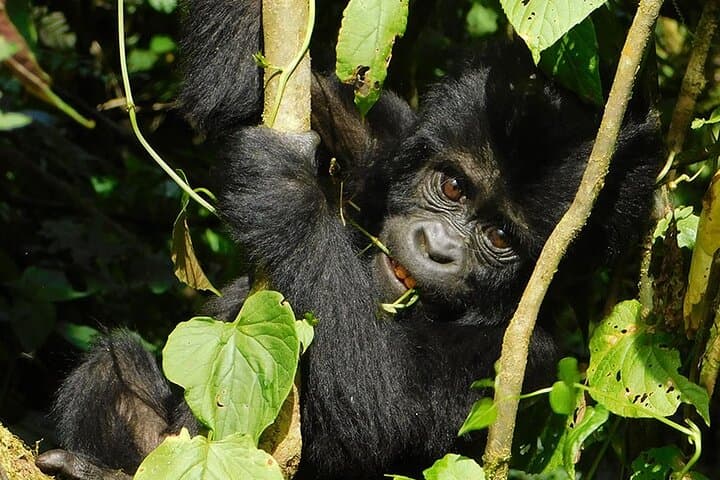
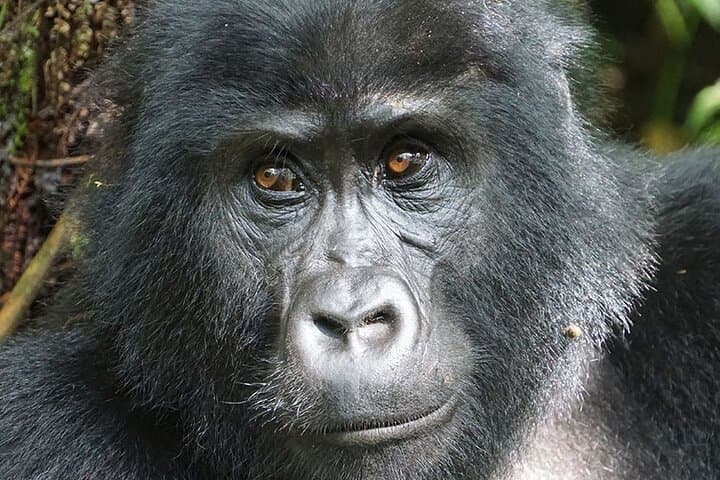
Spend three days traveling from Kampala to Bwindi for a private gorilla-tracking permit, a chance to spend an hour with a mountain gorilla family and learn local Batwa culture. This compact safari pairs intense rainforest hiking with conservation-focused wildlife encounters.
Spend three days traveling from Kampala to Bwindi for a private gorilla-tracking permit, a chance to spend an hour with a mountain gorilla family and learn local Batwa culture. This compact safari pairs intense rainforest hiking with conservation-focused wildlife encounters.
Dawn creeps through the dense canopy of Bwindi and the forest exhales—humid, moss-slick, and alive. On day two the group meets at the Buhoma park headquarters; rangers give a final briefing, and then the trail swallows you, ropes of vines and roots guiding a slow, deliberate ascent where sunlight is a rare commodity.
Verified experiences and guided adventures in the surrounding area.
Operated by Emerald of Africa Safaris · Buhoma, Western Region
Dawn creeps through the dense canopy of Bwindi and the forest exhales—humid, moss-slick, and alive. On day two the group meets at the Buhoma park headquarters; rangers give a final briefing, and then the trail swallows you, ropes of vines and roots guiding a slow, deliberate ascent where sunlight is a rare commodity.
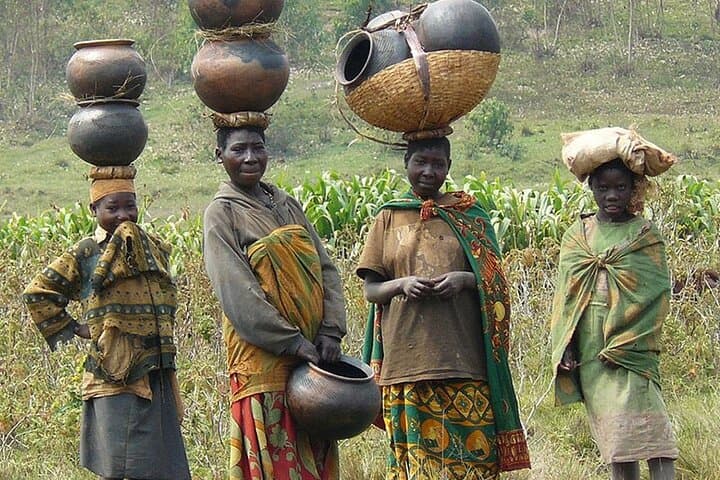
Bwindi Impenetrable is an ancient Afromontane forest shaped by the Albertine Rift: steep ridges, volcanic soils and deep gullies that have harbored mountain gorillas for millennia. The park sits at roughly 1,200–2,000 m elevation; trails range from gentle paths to steep, muddy scrambles. Culturally, the area is framed by local Bakiga and the Batwa peoples—the latter offering short cultural visits that explain forest life before conservation restrictions.
Expect an emotionally intense encounter: treks can last 2–8 hours depending on gorilla movement, and viewing time with a single habituated group is one hour under ranger supervision (groups capped at eight). Terrain is uneven—roots, boggy sections and short steep climbs—so pace yourself and use trekking poles.
Practicalities: permits are required and limited; park rules include keeping distance, avoiding direct eye contact, and not visiting if ill. Bring layered waterproof clothing, sturdy boots with good traction, at least 2 liters of water, snacks, and a lightweight daypack. Morning departures are common; buffer extra travel time from Kampala/Entebbe (9–10 hours by road) or plan a domestic flight into Kisoro if available. The experience pairs wildlife immersion with cultural insight and a clear conservation purpose—prepare to move slowly and to watch quietly.
challenging.
Full days over 3 days; trekking day 2: 2–8 hours.
Moderate to fit — good cardiovascular fitness and lower-body strength recommended for uneven, steep trails
Trek duration varies with gorilla movement—plan for 2 to 8 hours in the forest; the permitted viewing time with gorillas is one hour.
Yes, a gorilla tracking permit is required and limited in number; book in advance through an authorized operator or park office.
Age limits are set by park authorities (often minimum 15 years); check current park rules and tour provider policies before booking.
Visitors should be in good health, avoid trekking if ill, and follow ranger guidance to protect gorilla health; vaccinations and travel insurance are strongly recommended.
Bwindi Impenetrable National Park protects one of the last populations of mountain gorillas and was established to conserve biodiversity and local livelihoods in the Albertine Rift region.
Gorilla tracking is tightly regulated—permits, group limits and ranger-led protocols minimize disease transmission and disturbance to habituated groups while supporting local conservation and community revenue.
Emerald of Africa Safaris operates guided outdoor trips and adventures with an emphasis on safety, stewardship, and memorable experiences.
Dawn creeps through the dense canopy of Bwindi and the forest exhales—humid, moss-slick, and alive. On day two the group meets at the Buhoma park headquarters; rangers give a final briefing, and then the trail swallows you, ropes of vines and roots guiding a slow, deliberate ascent where sunlight is a rare commodity.
Dawn creeps through the dense canopy of Bwindi and the forest exhales—humid, moss-slick, and alive. On day two the group meets at the Buhoma park headquarters; rangers give a final briefing, and then the trail swallows you, ropes of vines and roots guiding a slow, deliberate ascent where sunlight is a rare commodity.
Bwindi Impenetrable is an ancient Afromontane forest shaped by the Albertine Rift: steep ridges, volcanic soils and deep gullies that have harbored mountain gorillas for millennia. The park sits at roughly 1,200–2,000 m elevation; trails range from gentle paths to steep, muddy scrambles. Culturally, the area is framed by local Bakiga and the Batwa peoples—the latter offering short cultural visits that explain forest life before conservation restrictions.
Expect an emotionally intense encounter: treks can last 2–8 hours depending on gorilla movement, and viewing time with a single habituated group is one hour under ranger supervision (groups capped at eight). Terrain is uneven—roots, boggy sections and short steep climbs—so pace yourself and use trekking poles.
Practicalities: permits are required and limited; park rules include keeping distance, avoiding direct eye contact, and not visiting if ill. Bring layered waterproof clothing, sturdy boots with good traction, at least 2 liters of water, snacks, and a lightweight daypack. Morning departures are common; buffer extra travel time from Kampala/Entebbe (9–10 hours by road) or plan a domestic flight into Kisoro if available. The experience pairs wildlife immersion with cultural insight and a clear conservation purpose—prepare to move slowly and to watch quietly.