THE ADVENTURE COLLECTIVE® · Independent discovery and booking for outdoor travel

A compact, private three-day circuit linking Mumbai, Delhi, Agra and Jaipur—this tour times sunrise at the Taj and includes flights and private transfers. Expect guided visits to the Taj Mahal, Agra Fort, Amber Fort and Jal Mahal with entrance fees and hotels handled for you.
A compact, private three-day circuit linking Mumbai, Delhi, Agra and Jaipur—this tour times sunrise at the Taj and includes flights and private transfers. Expect guided visits to the Taj Mahal, Agra Fort, Amber Fort and Jal Mahal with entrance fees and hotels handled for you.
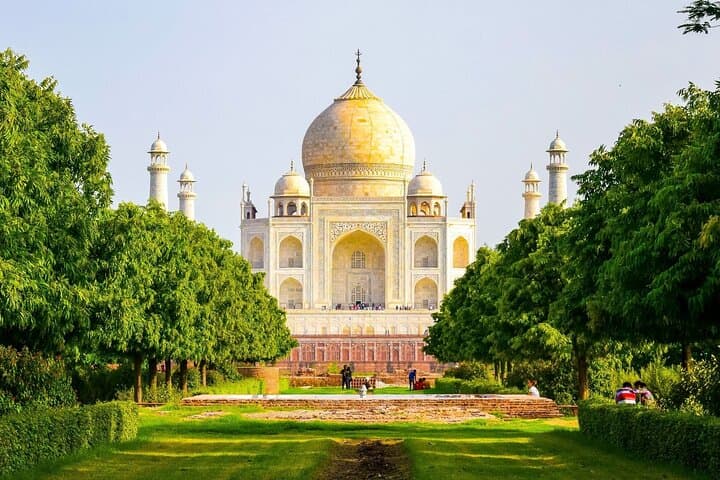
Dust rises from the highway as the sedan hums toward Agra; the Yamuna waits like a patient witness to centuries of empires, and the Taj’s silhouette sharpens in the morning haze.
Verified experiences and guided adventures in the surrounding area.
Operated by INDIA Trotter · New Delhi, Delhi
Dust rises from the highway as the sedan hums toward Agra; the Yamuna waits like a patient witness to centuries of empires, and the Taj’s silhouette sharpens in the morning haze.
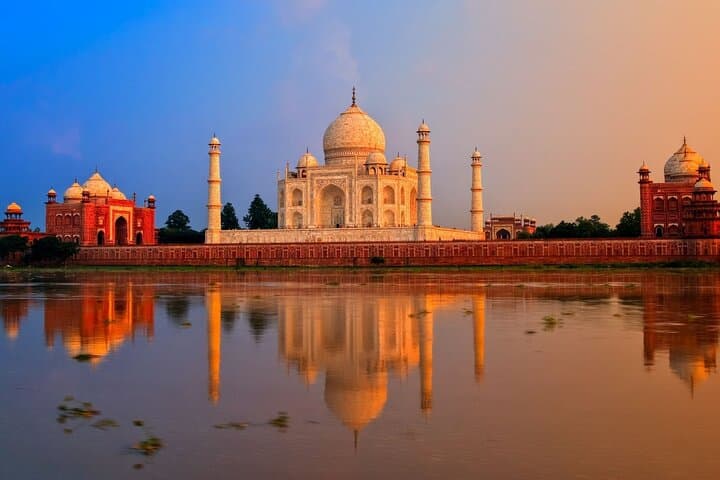
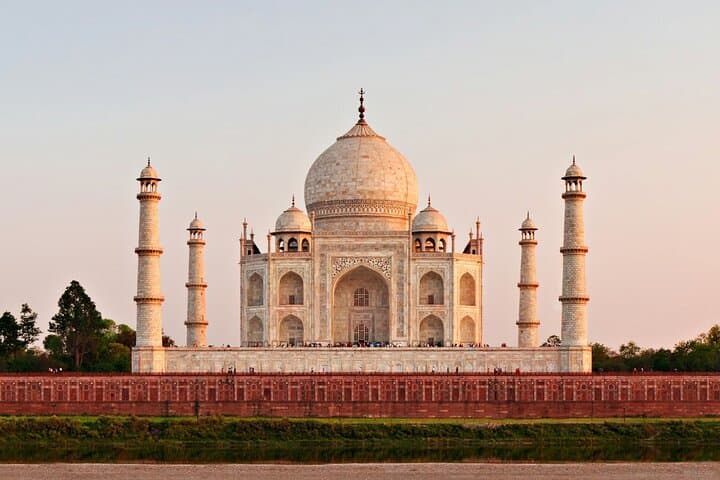
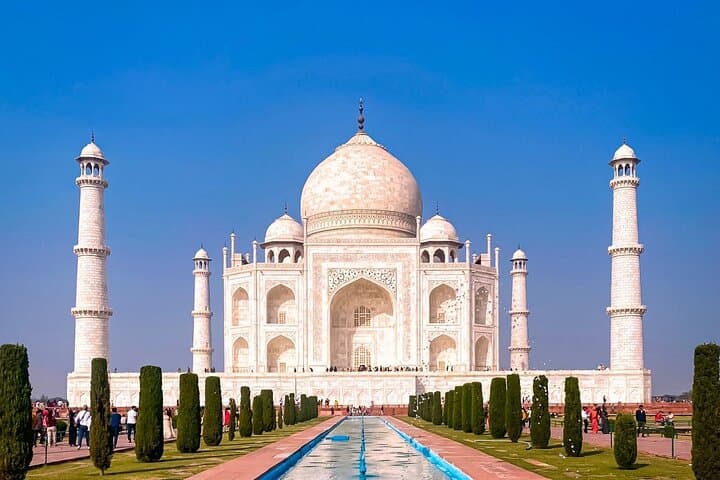
This private three-day loop—Mumbai to Delhi flight, road transfer to Agra, then onward to Jaipur with a return flight to Mumbai—threads together Mughal white marble and Rajput pink sandstone. The Taj Mahal (best seen at sunrise), Agra Fort’s red-sandstone bastions, Jaipur’s Amber Fort and the water-bordered Jal Mahal present different chapters of northern India’s built landscape. Geologically, the Gangetic plain underpins these sites: low, alluvial ground that allowed large-scale masonry and ornate inlay work to endure.
Culturally, visitors move through Mughal funerary tradition, Akbar’s imperial stronghold, and the planned urbanism of Jaipur founded by Sawai Jai Singh II in the 18th century. Local guides certified by the Ministry of Tourism link anecdotes—royal rivalry, architectural symbolism, and conservation challenges—into the visits.
Practically, expect long drives (Delhi–Agra ~250 km/4–5 hours; Agra–Jaipur ~240 km/6–7 hours), paved urban walking, and airport transfers. Sunrise at the Taj reduces crowds; Mehtab Bagh offers a sunset frame across the river. Pack sun protection, comfortable walking shoes, and a light daypack for water and camera gear. Wheelchair access is noted for major sites, but surfaces can be uneven.
This itinerary emphasizes curated convenience—flights included, entrance fees covered, and private transport—so travelers can focus on timing visits for light, crowds, and the stories that animate stones older than memory.
easy.
3 days.
Suitable for travelers in typical travel fitness—able to walk 1–3 miles across paved but uneven surfaces and handle multi-hour drives.
Yes—entrance fees for listed monuments and economy flights (Mumbai–Delhi, Jaipur–Mumbai) are included in this package.
Major sites list wheelchair accessibility, and transport is accessible, but some historic surfaces and steps at forts may be uneven—notify operators of mobility needs in advance.
Sunrise is recommended for fewer crowds and softer light; Mehtab Bagh across the Yamuna is ideal for sunset viewpoints.
The itinerary includes 2 breakfasts and stays at branded 3–5 star hotels; other meals are typically at your discretion unless specified.
The route threads Mughal-era Agra—home to emperors like Akbar and Shah Jahan—with Jaipur, a planned Rajput capital founded in 1727 by Maharaja Sawai Jai Singh II; each city reflects different eras of North Indian polity and patronage.
High visitor numbers stress conservation at monuments—stick to marked paths, avoid touching inlaid marble, and follow guide instructions to minimize wear on fragile surfaces.
INDIA Trotter operates guided outdoor trips and adventures with an emphasis on safety, stewardship, and memorable experiences.
Dust rises from the highway as the sedan hums toward Agra; the Yamuna waits like a patient witness to centuries of empires, and the Taj’s silhouette sharpens in the morning haze.
Dust rises from the highway as the sedan hums toward Agra; the Yamuna waits like a patient witness to centuries of empires, and the Taj’s silhouette sharpens in the morning haze.
This private three-day loop—Mumbai to Delhi flight, road transfer to Agra, then onward to Jaipur with a return flight to Mumbai—threads together Mughal white marble and Rajput pink sandstone. The Taj Mahal (best seen at sunrise), Agra Fort’s red-sandstone bastions, Jaipur’s Amber Fort and the water-bordered Jal Mahal present different chapters of northern India’s built landscape. Geologically, the Gangetic plain underpins these sites: low, alluvial ground that allowed large-scale masonry and ornate inlay work to endure.
Culturally, visitors move through Mughal funerary tradition, Akbar’s imperial stronghold, and the planned urbanism of Jaipur founded by Sawai Jai Singh II in the 18th century. Local guides certified by the Ministry of Tourism link anecdotes—royal rivalry, architectural symbolism, and conservation challenges—into the visits.
Practically, expect long drives (Delhi–Agra ~250 km/4–5 hours; Agra–Jaipur ~240 km/6–7 hours), paved urban walking, and airport transfers. Sunrise at the Taj reduces crowds; Mehtab Bagh offers a sunset frame across the river. Pack sun protection, comfortable walking shoes, and a light daypack for water and camera gear. Wheelchair access is noted for major sites, but surfaces can be uneven.
This itinerary emphasizes curated convenience—flights included, entrance fees covered, and private transport—so travelers can focus on timing visits for light, crowds, and the stories that animate stones older than memory.