THE ADVENTURE COLLECTIVE® · Independent discovery and booking for outdoor travel

Drive from Tbilisi through Mtskheta, Gudauri and Kazbegi before finishing with wines of Kakheti. This three‑day private tour blends monumental views, medieval sites and cellar tastings with short, accessible walks.
Drive from Tbilisi through Mtskheta, Gudauri and Kazbegi before finishing with wines of Kakheti. This three‑day private tour blends monumental views, medieval sites and cellar tastings with short, accessible walks.
A cool morning fog lifts off the Kura River as a minivan slides away from Tbilisi’s old quarter, the city’s brick roofs shrinking behind you. Over three days, the road becomes the pulse of the trip—mountain passes opening into high meadows, fortified hill towns framing the Caucasus, and vine-covered slopes that smell faintly of earth and ferment.
Verified experiences and guided adventures in the surrounding area.
Operated by Guide/Driver in Georgia · Tbilisi, Tbilisi
A cool morning fog lifts off the Kura River as a minivan slides away from Tbilisi’s old quarter, the city’s brick roofs shrinking behind you. Over three days, the road becomes the pulse of the trip—mountain passes opening into high meadows, fortified hill towns framing the Caucasus, and vine-covered slopes that smell faintly of earth and ferment.
The route threads through Georgia’s layered history: Mtskheta’s medieval cathedrals that once crowned an early Christian kingdom, Ananuri’s riverside fortifications guarding 18th‑century trade routes, and the Soviet-era watchfulness still visible in some roadside monuments. Geology here is dramatic—young, uplifted ranges where weathered volcanic and sedimentary rocks give way to sharp ridgelines and glacier-fed bowls like the vistas around Kazbegi and Mount Kazbek.
Culture is immediate: roadside khachapuri and the clink of glasses in Kakheti’s family-run cellars. The region’s qvevri winemaking tradition (clay-amphora fermentation) underpins local identity and flavors.
Practically, expect long drives punctuated by short walks and viewpoints. Altitudes vary—Gudauri sits above 2,000 m while Tbilisi lies near 400 m—so layer clothing for sun, wind and sudden chill. Comfortable walking shoes, sun protection and a refillable bottle are essential; guides handle logistics and parking but small local fees and cathedral donations are cash-only. Early starts beat afternoon traffic and offer the best light for the Gergeti Trinity Church panorama. For travelers seeking culturally rich scenery without technical hiking, this three‑day loop delivers accessible peaks, ancient towns and a concentrated taste of Georgian hospitality.
moderate.
3 days.
Suitable for casual travelers in basic fitness; involves short urban and viewpoint walks with long periods in a vehicle
Yes—private pickup is standard; you’ll confirm a pickup point when booking and the guide will coordinate timing.
Admission is generally not included; small donations or fees at some sites and museums are paid locally, usually in cash.
Yes—this private tour is flexible; the guide can shorten walks, skip passes in poor weather, or adapt stops for mobility limits.
Wineries welcome all ages; non-drinkers can sample grape products and enjoy cellars while children are typically accommodated with soft drinks and snacks.
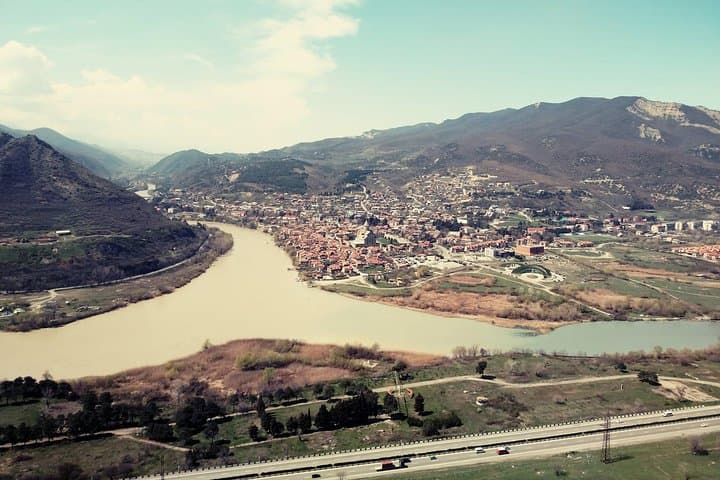
Mtskheta was Georgia’s first capital and remains the spiritual heart after adopting Christianity in the 4th century, with Svetitskhoveli Cathedral central to national history.
Mountain ecosystems here are sensitive to erosion and litter; choose local guides who follow Leave No Trace and support community-run wineries that practice sustainable viticulture.
Guide/Driver in Georgia operates guided outdoor trips and adventures with an emphasis on safety, stewardship, and memorable experiences.
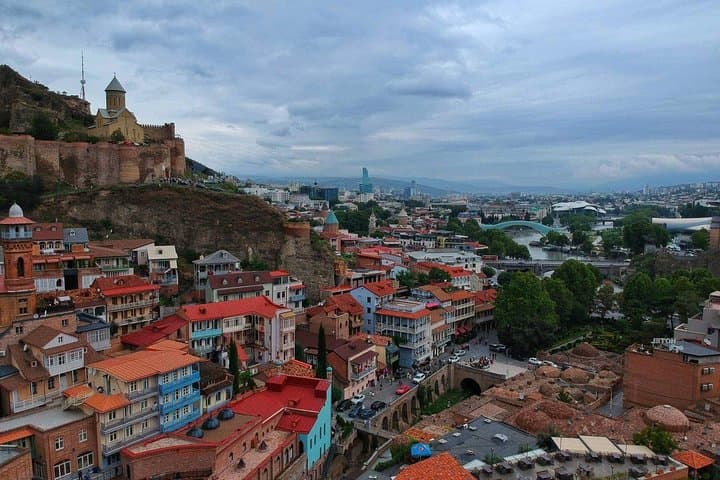
A cool morning fog lifts off the Kura River as a minivan slides away from Tbilisi’s old quarter, the city’s brick roofs shrinking behind you. Over three days, the road becomes the pulse of the trip—mountain passes opening into high meadows, fortified hill towns framing the Caucasus, and vine-covered slopes that smell faintly of earth and ferment.
A cool morning fog lifts off the Kura River as a minivan slides away from Tbilisi’s old quarter, the city’s brick roofs shrinking behind you. Over three days, the road becomes the pulse of the trip—mountain passes opening into high meadows, fortified hill towns framing the Caucasus, and vine-covered slopes that smell faintly of earth and ferment.
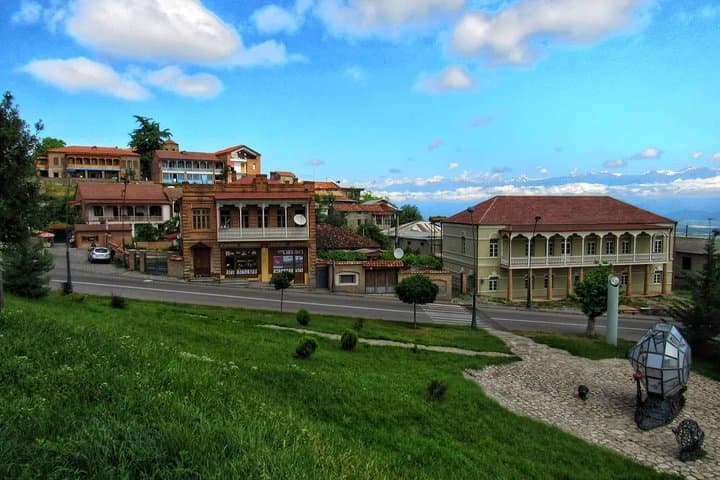
The route threads through Georgia’s layered history: Mtskheta’s medieval cathedrals that once crowned an early Christian kingdom, Ananuri’s riverside fortifications guarding 18th‑century trade routes, and the Soviet-era watchfulness still visible in some roadside monuments. Geology here is dramatic—young, uplifted ranges where weathered volcanic and sedimentary rocks give way to sharp ridgelines and glacier-fed bowls like the vistas around Kazbegi and Mount Kazbek.
Culture is immediate: roadside khachapuri and the clink of glasses in Kakheti’s family-run cellars. The region’s qvevri winemaking tradition (clay-amphora fermentation) underpins local identity and flavors.
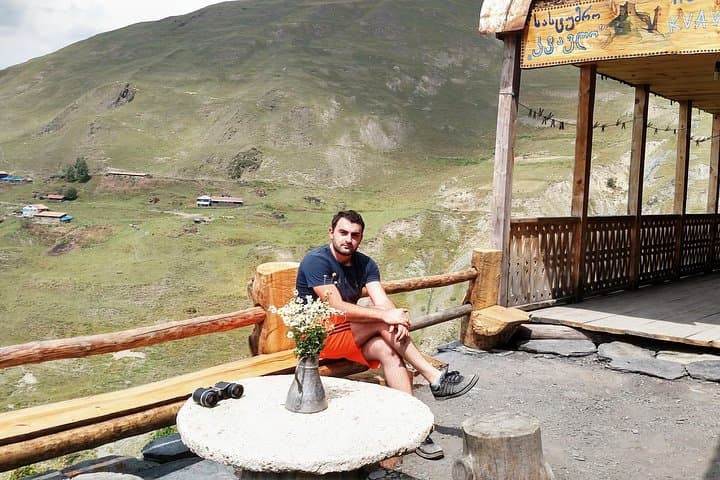
Practically, expect long drives punctuated by short walks and viewpoints. Altitudes vary—Gudauri sits above 2,000 m while Tbilisi lies near 400 m—so layer clothing for sun, wind and sudden chill. Comfortable walking shoes, sun protection and a refillable bottle are essential; guides handle logistics and parking but small local fees and cathedral donations are cash-only. Early starts beat afternoon traffic and offer the best light for the Gergeti Trinity Church panorama. For travelers seeking culturally rich scenery without technical hiking, this three‑day loop delivers accessible peaks, ancient towns and a concentrated taste of Georgian hospitality.