THE ADVENTURE COLLECTIVE® · Independent discovery and booking for outdoor travel

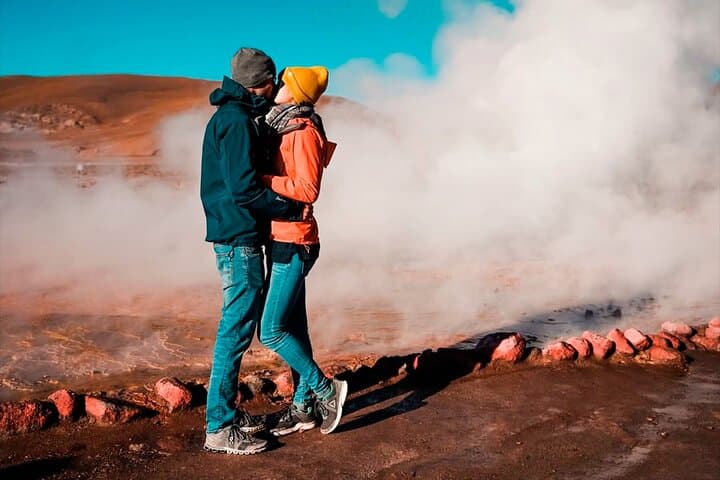
Fly from La Paz for an intensive three-day private tour of the Salar de Uyuni. Visit Incahuasi, colored lagoons, volcanic viewpoints and thermal springs with private transfers and overnight stays in signature desert hotels.
Fly from La Paz for an intensive three-day private tour of the Salar de Uyuni. Visit Incahuasi, colored lagoons, volcanic viewpoints and thermal springs with private transfers and overnight stays in signature desert hotels.
You step off a short regional flight and the world opens into an impossible white: a hard, blinding plain that seems to push the skyline back until mountains float on the horizon. The air is thin and cold, the light flat and sharp — this is the Salar de Uyuni, the largest salt flat on Earth, and a place where scale tricks and reflections rewrite what you thought you knew about landscape.
Verified experiences and guided adventures in the surrounding area.
Operated by Mundicontact Expeditions · Uyuni, Potosí Department
You step off a short regional flight and the world opens into an impossible white: a hard, blinding plain that seems to push the skyline back until mountains float on the horizon. The air is thin and cold, the light flat and sharp — this is the Salar de Uyuni, the largest salt flat on Earth, and a place where scale tricks and reflections rewrite what you thought you knew about landscape.
Geology here is recent deep time: ancient lakes evaporated, leaving a 10,000+ km² crust of salt and polygonal plates underlain by massive brine and lithium-rich sediments. Human history is layered too — local Aymara and Quechua communities have harvested salt here for centuries, and small towns such as Colchani grew around that industry. Incahuasi Island rises like an island castle of fossilized life and giant cacti; Tunupa Volcano frames sunsets that photographers chase for their surreal palettes.
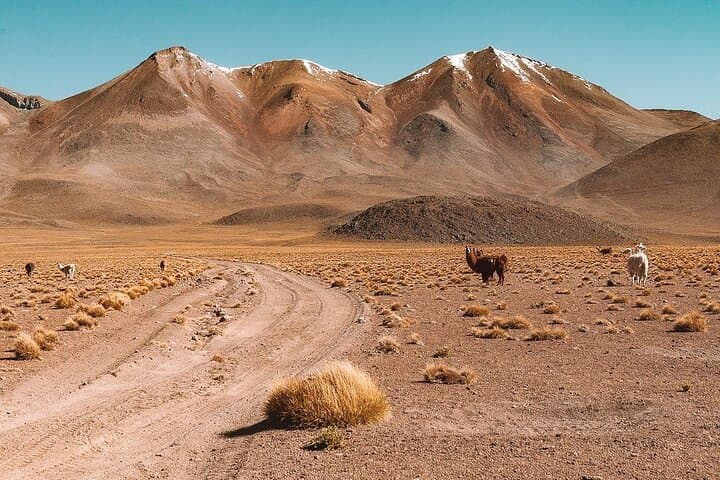
Expect a practical itinerary: a morning pickup in La Paz, a 45–60 minute flight to Joya Andina de Uyuni, guided drives across flats and visits to islands, salt museums, colored lagoons and thermal springs, with comfortable overnight stays in salt and desert hotels. Weather swings fast — intense sun by day, freezing nights — and altitude is a constant factor at ~3,650–4,900 m.
Bring sun protection, warm layers, and extra water; plan camera batteries and memory for mirror-like reflections (rainy season) and stark geometry (dry season). Schedule a day for gentle acclimatization in La Paz or take it slow on arrival; the trip is visually rich but demands basic fitness and respect for fragile high‑altitude ecosystems.
moderate.
3 days.
Moderate fitness; comfortable walking on uneven ground at high altitude and transfers by vehicle.
Scheduled flights take roughly 45–60 minutes; times vary with weather and routing from El Alto airport.
The wet season (roughly December–March) often creates a thin sheet of water that produces the mirror effect; dry season offers classic polygonal salt crusts and easier driving.
Yes—altitudes range from about 3,650 m on the salar to nearly 5,000 m at some geothermal sites; rest, hydrate, avoid alcohol and consider medication if prone to AMS.
Bolivianos (BOB) are used locally; Spanish and Aymara are common — many guides speak Spanish and some English on private tours.
Communities in the altiplano have harvested salt and traded goods here for centuries; colonial and railway influences later shaped towns like Uyuni and mining settlements inland.
The salar is a fragile, arid ecosystem and a source of global mineral interest; visitors should stick to established tracks, pack out waste and follow guides to minimize impact.
Mundicontact Expeditions operates guided outdoor trips and adventures with an emphasis on safety, stewardship, and memorable experiences.


You step off a short regional flight and the world opens into an impossible white: a hard, blinding plain that seems to push the skyline back until mountains float on the horizon. The air is thin and cold, the light flat and sharp — this is the Salar de Uyuni, the largest salt flat on Earth, and a place where scale tricks and reflections rewrite what you thought you knew about landscape.
You step off a short regional flight and the world opens into an impossible white: a hard, blinding plain that seems to push the skyline back until mountains float on the horizon. The air is thin and cold, the light flat and sharp — this is the Salar de Uyuni, the largest salt flat on Earth, and a place where scale tricks and reflections rewrite what you thought you knew about landscape.
Geology here is recent deep time: ancient lakes evaporated, leaving a 10,000+ km² crust of salt and polygonal plates underlain by massive brine and lithium-rich sediments. Human history is layered too — local Aymara and Quechua communities have harvested salt here for centuries, and small towns such as Colchani grew around that industry. Incahuasi Island rises like an island castle of fossilized life and giant cacti; Tunupa Volcano frames sunsets that photographers chase for their surreal palettes.
Expect a practical itinerary: a morning pickup in La Paz, a 45–60 minute flight to Joya Andina de Uyuni, guided drives across flats and visits to islands, salt museums, colored lagoons and thermal springs, with comfortable overnight stays in salt and desert hotels. Weather swings fast — intense sun by day, freezing nights — and altitude is a constant factor at ~3,650–4,900 m.
Bring sun protection, warm layers, and extra water; plan camera batteries and memory for mirror-like reflections (rainy season) and stark geometry (dry season). Schedule a day for gentle acclimatization in La Paz or take it slow on arrival; the trip is visually rich but demands basic fitness and respect for fragile high‑altitude ecosystems.