THE ADVENTURE COLLECTIVE® · Independent discovery and booking for outdoor travel

A three-day private itinerary that bundles train travel, private transfers, hotels, and a guided full-day at Machu Picchu. Ideal for travelers who want a streamlined visit with local context and minimal planning.
A three-day private itinerary that bundles train travel, private transfers, hotels, and a guided full-day at Machu Picchu. Ideal for travelers who want a streamlined visit with local context and minimal planning.
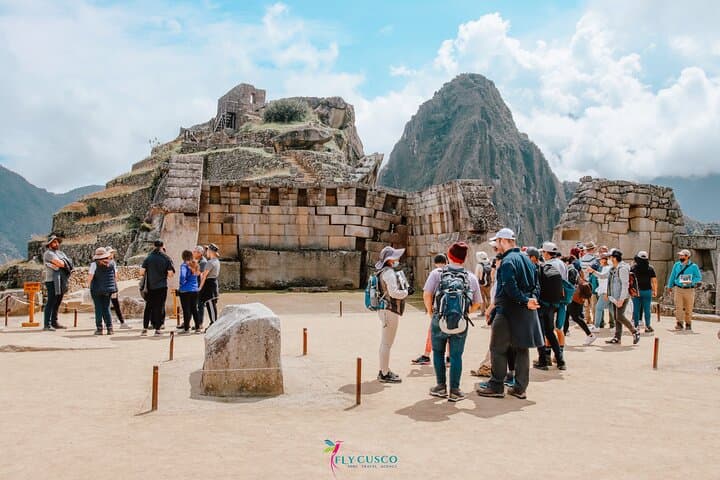
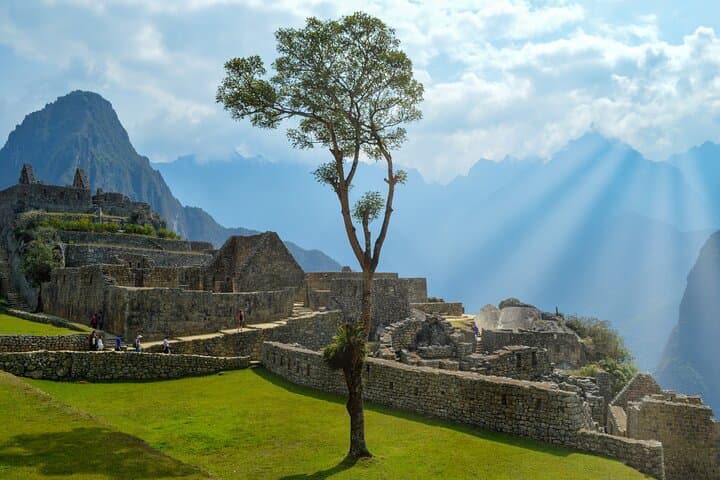
The train eases out of the Sacred Valley and the Vilcanota River drops into a ribbon of silver beneath the gorge. You arrive in Aguas Calientes with damp stone underfoot and cloud drifting through terraces; by midmorning the mist lifts to reveal Machu Picchu’s stepped platforms and trapezoidal doorways carved into andesite.
Verified experiences and guided adventures in the surrounding area.
Operated by FLY CUSCO Perú Travel Agency · Aguas Calientes (Machupicchu Pueblo), Cusco
The train eases out of the Sacred Valley and the Vilcanota River drops into a ribbon of silver beneath the gorge. You arrive in Aguas Calientes with damp stone underfoot and cloud drifting through terraces; by midmorning the mist lifts to reveal Machu Picchu’s stepped platforms and trapezoidal doorways carved into andesite.
Built by the Inca in the 15th century, Machu Picchu sits on a serrated ridge where tectonic uplift and erosion produced steep slopes and narrow ridgelines. The site’s agricultural terraces and drainage engineering speak to advanced Inca land use and microclimate management—clues the guide will point out as you move between temples, plazas, and residential sectors. Nearby Ollantaytambo and the Sacred Valley add Inca, pre-Inca, and colonial layers to the cultural story.
Practically, the tour condenses logistics: round-trip Voyager-class train tickets from Ollantaytambo, bus transfers, two nights’ hotel with breakfast, and a guided full-day visit with entrance included. Expect uneven stone steps, short steep gains if you take the Sun Gate or Huayna Picchu (separate ticket), and walking of roughly 3–5 km while touring the citadel. Altitude matters—Cusco sits near 3,400 m while Machu Picchu is about 2,430 m—so plan for light activity the first day and hydrate.
Bring layered rain protection in the wet season (Dec–Mar), go early to avoid peak crowds, and carry cash for souvenirs in Aguas Calientes. The result is a compact, low-hassle way to experience one of South America’s most iconic archaeological landscapes.
moderate.
3 days.
Appropriate for travelers in reasonable physical condition; expect several hours of walking over uneven terrain during the full-day visit.
Yes—the tour includes round-trip Voyager-class train tickets (Ollantaytambo–Aguas Calientes) and the standard Machu Picchu entrance ticket for the guided visit.
The tour is labeled suitable for all fitness levels, but Machu Picchu has uneven stone steps and steep paths; travelers with significant mobility limitations may find parts inaccessible.
Yes, but those require separate permits purchased months in advance and may incur extra cost and different timing during your visit.
Full passport details (name, passport number, nationality, date of birth) are required at booking to secure entrance permits and train reservations.
Machu Picchu was built by the Inca in the 15th century and reintroduced to wider global awareness in 1911; it’s now a UNESCO World Heritage Site with strict visitor controls.
Entrance quotas and time slots limit daily visitors; follow marked paths, pack out waste, and avoid off-trail exploration to protect fragile soils and archaeological structures.
FLY CUSCO Perú Travel Agency operates guided outdoor trips and adventures with an emphasis on safety, stewardship, and memorable experiences.

The train eases out of the Sacred Valley and the Vilcanota River drops into a ribbon of silver beneath the gorge. You arrive in Aguas Calientes with damp stone underfoot and cloud drifting through terraces; by midmorning the mist lifts to reveal Machu Picchu’s stepped platforms and trapezoidal doorways carved into andesite.
The train eases out of the Sacred Valley and the Vilcanota River drops into a ribbon of silver beneath the gorge. You arrive in Aguas Calientes with damp stone underfoot and cloud drifting through terraces; by midmorning the mist lifts to reveal Machu Picchu’s stepped platforms and trapezoidal doorways carved into andesite.
Built by the Inca in the 15th century, Machu Picchu sits on a serrated ridge where tectonic uplift and erosion produced steep slopes and narrow ridgelines. The site’s agricultural terraces and drainage engineering speak to advanced Inca land use and microclimate management—clues the guide will point out as you move between temples, plazas, and residential sectors. Nearby Ollantaytambo and the Sacred Valley add Inca, pre-Inca, and colonial layers to the cultural story.
Practically, the tour condenses logistics: round-trip Voyager-class train tickets from Ollantaytambo, bus transfers, two nights’ hotel with breakfast, and a guided full-day visit with entrance included. Expect uneven stone steps, short steep gains if you take the Sun Gate or Huayna Picchu (separate ticket), and walking of roughly 3–5 km while touring the citadel. Altitude matters—Cusco sits near 3,400 m while Machu Picchu is about 2,430 m—so plan for light activity the first day and hydrate.
Bring layered rain protection in the wet season (Dec–Mar), go early to avoid peak crowds, and carry cash for souvenirs in Aguas Calientes. The result is a compact, low-hassle way to experience one of South America’s most iconic archaeological landscapes.