THE ADVENTURE COLLECTIVE® · Independent discovery and booking for outdoor travel

Three days on the Serengeti’s plains delivers concentrated wildlife viewing: morning and evening game drives, Seronera kopjes, and river crossings where migration action gathers. This private camping safari pairs close-up encounters with practical comfort—sleeping bags provided and window seats in a 4x4 pop-up jeep.
Three days on the Serengeti’s plains delivers concentrated wildlife viewing: morning and evening game drives, Seronera kopjes, and river crossings where migration action gathers. This private camping safari pairs close-up encounters with practical comfort—sleeping bags provided and window seats in a 4x4 pop-up jeep.
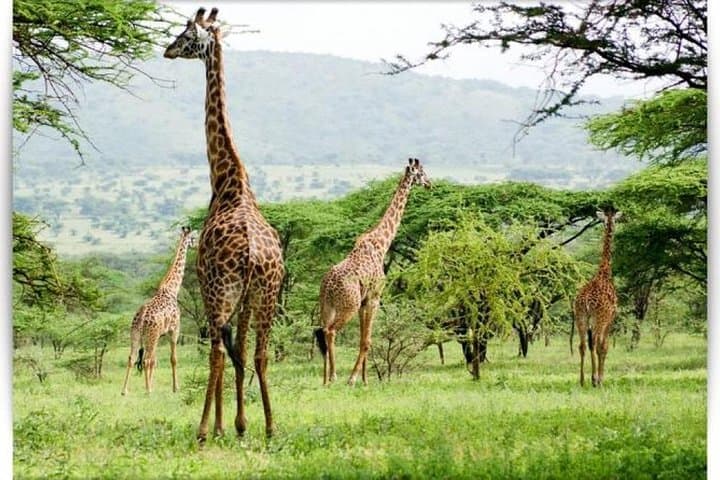
Dawn breaks over grass that seems to roll like low waves; a pop-up 4x4 bumps along a rutted track and the horizon sharpens into silhouettes—giraffe, a distant lion, a scatter of zebra moving like punctuation marks. This three-day private camping safari centers on Seronera and the Western Corridor of Serengeti National Park, where early mornings and late-afternoon drives deliver the most wildlife activity and the best light.
Verified experiences and guided adventures in the surrounding area.
Operated by Serengeti Safari Booking · Arusha, Arusha Region
Dawn breaks over grass that seems to roll like low waves; a pop-up 4x4 bumps along a rutted track and the horizon sharpens into silhouettes—giraffe, a distant lion, a scatter of zebra moving like punctuation marks. This three-day private camping safari centers on Seronera and the Western Corridor of Serengeti National Park, where early mornings and late-afternoon drives deliver the most wildlife activity and the best light.
The Serengeti’s name comes from the Maasai word “Serengit,” meaning endless plains. Geologically the park sits on old volcanic bedrock punctuated by granite kopjes—rock islands that offer lookout points for lions and leopards. The Grumeti and Mbalageti rivers thread the western corridor, historically shaping migration routes and concentrating crocodiles at crossing points.
Culturally, visits often include Maasai or Arusha village experiences; guides typically speak English, French, and Spanish. Wildlife highlights include the Big Five, large crocodiles at river crossings, honey badgers, and over 400 recorded bird species in the park.
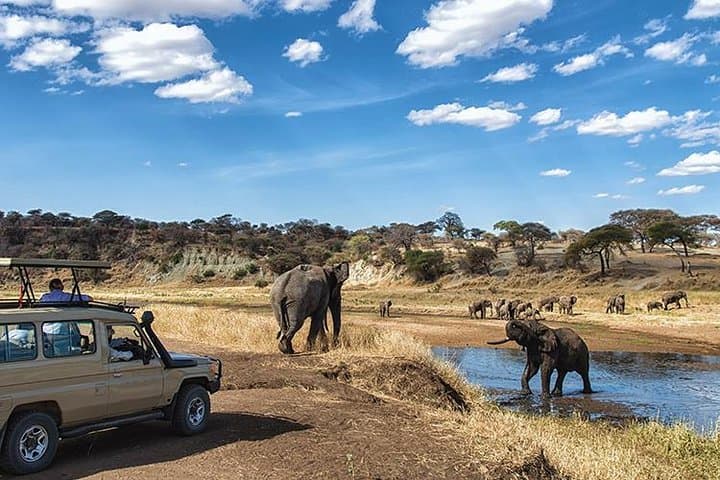
Practical guidance: expect long game drives of 3–6 hours per day from a 2x2-seat pop-up safari jeep with window seats for every guest. Camping is basic but supplied—sleeping bags and towels provided; upgrades to lodges are sometimes arranged. Carry layered clothing for cool mornings and sun protection for the midday heat, plus binoculars and a camera with a telephoto lens. Hydrate and plan for dust and bumpy roads; early starts (around 6:00) and flexible schedules maximize sightings. Options like hot-air balloon flights or guided walking safaris can be added when available; tipping guides and rangers is customary. With planning, three days give a compact, high-impact window into one of Africa’s most vivid wildlife stages.
moderate.
3 days.
Suitable for most fitness levels but expect long hours in vehicle, uneven ground when exiting the jeep, and short guided walks if chosen.
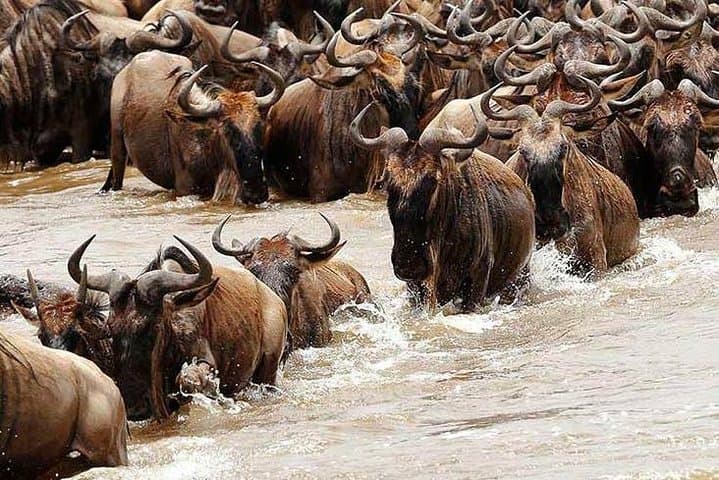
Migration timing varies by year; the Western Corridor often concentrates herds between June and September, with river crossings most likely in the dry season (June–October).
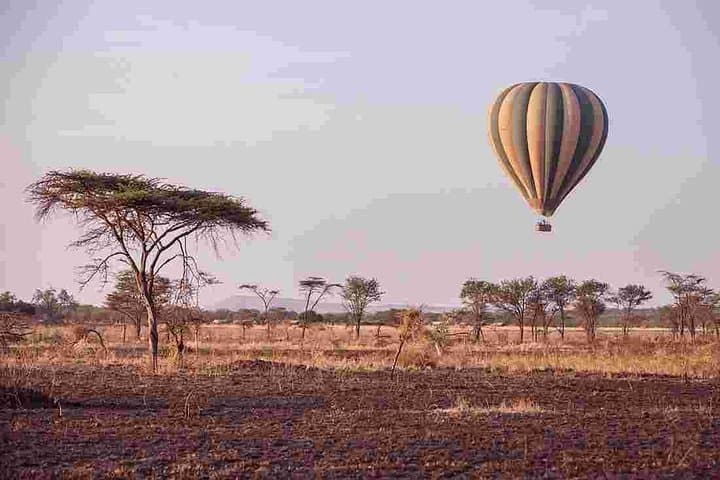
Hot-air balloon flights are optional extras and depend on availability and weather—book in advance if you want to add one.
Travelers should consult health advisories for Tanzania (yellow fever, malaria prevention) and ensure passport/visa requirements are met; park entry is included with this safari.
This offering uses basic camping with provided sleeping bags and towels; camps are camp-style with meals included—upgrade to lodges if you want more comfort.
The Serengeti region has been inhabited for millennia by pastoralist groups such as the Maasai; its migration routes were documented by early 20th-century explorers and later protected as a national park in 1951.
Serengeti conservation focuses on protecting migration corridors and limiting poaching; choose operators that support park fees and local community initiatives to reduce tourism impact.
Serengeti Safari Booking operates guided outdoor trips and adventures with an emphasis on safety, stewardship, and memorable experiences.
Dawn breaks over grass that seems to roll like low waves; a pop-up 4x4 bumps along a rutted track and the horizon sharpens into silhouettes—giraffe, a distant lion, a scatter of zebra moving like punctuation marks. This three-day private camping safari centers on Seronera and the Western Corridor of Serengeti National Park, where early mornings and late-afternoon drives deliver the most wildlife activity and the best light.
Dawn breaks over grass that seems to roll like low waves; a pop-up 4x4 bumps along a rutted track and the horizon sharpens into silhouettes—giraffe, a distant lion, a scatter of zebra moving like punctuation marks. This three-day private camping safari centers on Seronera and the Western Corridor of Serengeti National Park, where early mornings and late-afternoon drives deliver the most wildlife activity and the best light.
The Serengeti’s name comes from the Maasai word “Serengit,” meaning endless plains. Geologically the park sits on old volcanic bedrock punctuated by granite kopjes—rock islands that offer lookout points for lions and leopards. The Grumeti and Mbalageti rivers thread the western corridor, historically shaping migration routes and concentrating crocodiles at crossing points.
Culturally, visits often include Maasai or Arusha village experiences; guides typically speak English, French, and Spanish. Wildlife highlights include the Big Five, large crocodiles at river crossings, honey badgers, and over 400 recorded bird species in the park.
Practical guidance: expect long game drives of 3–6 hours per day from a 2x2-seat pop-up safari jeep with window seats for every guest. Camping is basic but supplied—sleeping bags and towels provided; upgrades to lodges are sometimes arranged. Carry layered clothing for cool mornings and sun protection for the midday heat, plus binoculars and a camera with a telephoto lens. Hydrate and plan for dust and bumpy roads; early starts (around 6:00) and flexible schedules maximize sightings. Options like hot-air balloon flights or guided walking safaris can be added when available; tipping guides and rangers is customary. With planning, three days give a compact, high-impact window into one of Africa’s most vivid wildlife stages.