THE ADVENTURE COLLECTIVE® · Independent discovery and booking for outdoor travel

A focused three-day private tour that pairs the Giza pyramids, Saqqara and Dahshur with Cairo’s Egyptian Museum and historic quarters. Ideal for travelers who want expert context, streamlined logistics and time to explore the city’s layered history.
A focused three-day private tour that pairs the Giza pyramids, Saqqara and Dahshur with Cairo’s Egyptian Museum and historic quarters. Ideal for travelers who want expert context, streamlined logistics and time to explore the city’s layered history.
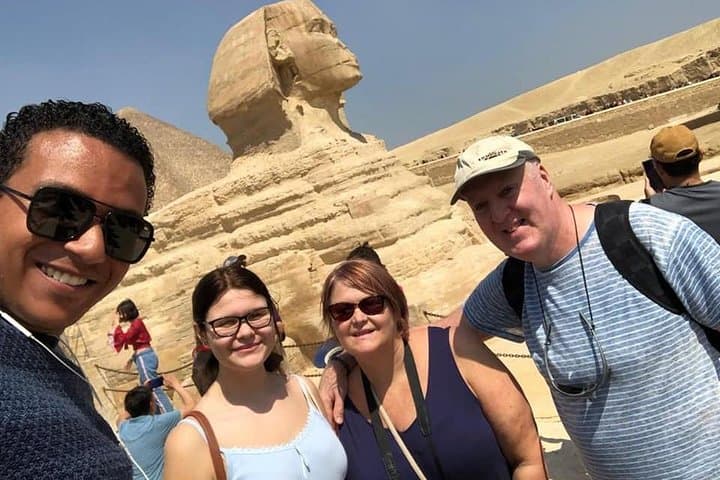
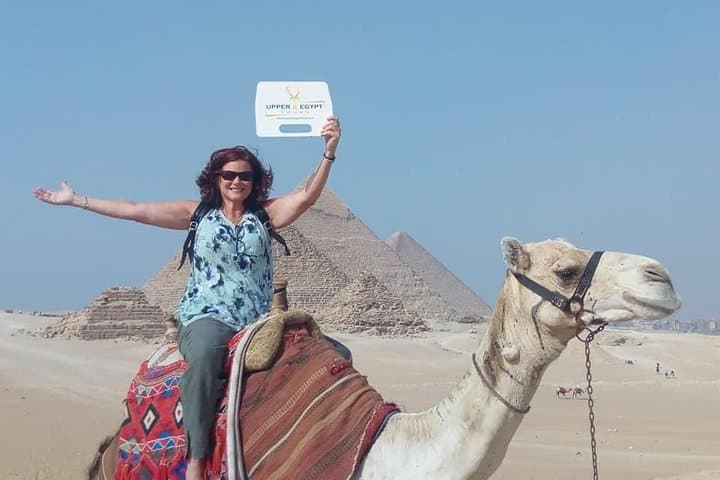
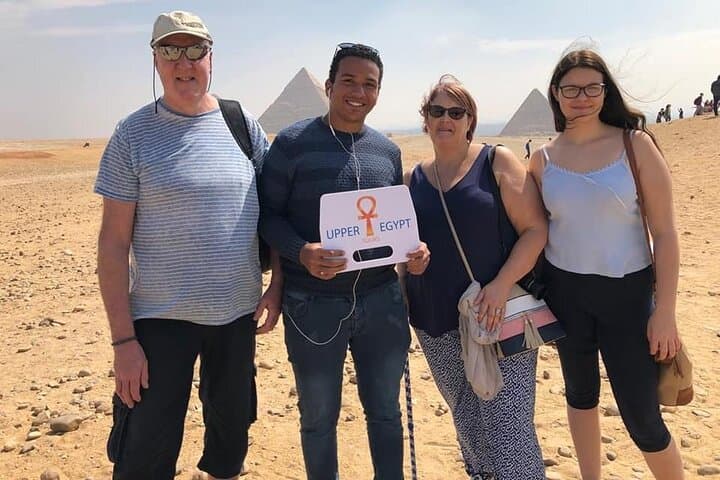
On the sunlit sweep of the Giza Plateau a private guide sets the pace: the wind lifts grit off ancient stone and the pyramids loom with the slow certainty of geology. Visitors begin here among limestone blocks hewn and set more than four millennia ago, then move through a city built on layers—Pharaonic tombs, Greco-Roman foundations, Fatimid streets and Ottoman citadels.
Verified experiences and guided adventures in the surrounding area.
Operated by Upper Egypt Services · Cairo, Cairo Governorate
On the sunlit sweep of the Giza Plateau a private guide sets the pace: the wind lifts grit off ancient stone and the pyramids loom with the slow certainty of geology. Visitors begin here among limestone blocks hewn and set more than four millennia ago, then move through a city built on layers—Pharaonic tombs, Greco-Roman foundations, Fatimid streets and Ottoman citadels.
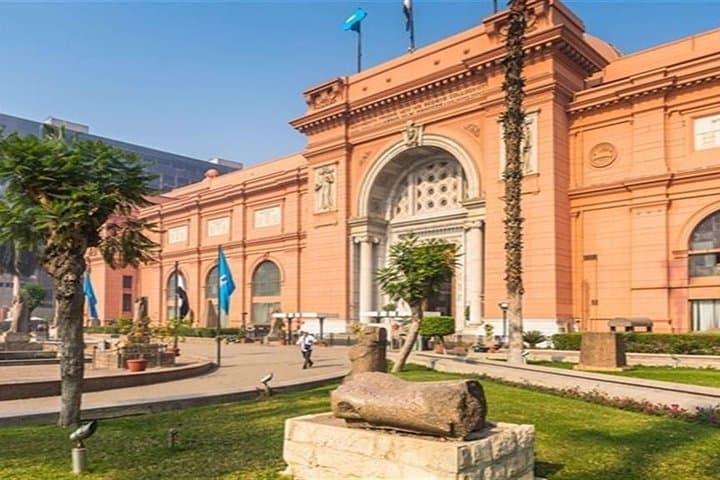
The three-day route threads the Great Pyramid complex, the Valley Temple and the Sphinx; the stepped stone of Saqqara and the burial fields of Dahshur; then returns to central Cairo for the Egyptian Museum, the Citadel and the maze of Khan el-Khalili. Geology is visible in the pale Tura limestone and local desert sands that shaped construction and decay; culture is audible in calls to prayer and the chatter of marketkeepers. Old Cairo’s Coptic quarter and the Mosque-Madrassa of Sultan Hassan show later layers of religious and urban life.
Practical rhythm matters: expect long, mostly flat walks on uneven stone and sand, short drives between sites (Giza to Dahshur ≈30 km). Mornings are best at outdoor monuments to avoid peak heat and crowds; plan a quieter afternoon for the museum and covered bazaars. Carry sun protection, a reusable water bottle and modest clothing for mosque visits. Tickets and timing vary by site—your Egyptologist guide will streamline lines and logistics. For a three-day primer on Egypt’s capital, this private package balances immersive history with practical support, leaving time to observe the city’s modern pulse between ancient stones.
easy.
3 days.
Light to moderate mobility required; suitable for most fitness levels but involves several hours of walking each day.
Admission policies vary by site; many operators include some tickets but confirm with the provider which monuments are covered.
Parts of the itinerary have uneven surfaces; some museums and transport options are accessible—ask the operator about vehicle and site access before booking.
Expect several hours of walking (approximately 2–4 miles per day) on uneven ground, with vehicle transfers between sites.
Tipping is customary for guides and drivers—budget a small daily amount and tip directly if service meets expectations.
Cairo grew from ancient capitals—Memphis and Fustat—layering Pharaonic, Roman, Islamic and modern eras; the Giza and Saqqara necropolises predate the city’s medieval core.
High visitor traffic and urban pollution stress archaeological sites; support licensed guides, avoid touching fragile surfaces and follow site-specific rules to reduce impact.
Upper Egypt Services operates guided outdoor trips and adventures with an emphasis on safety, stewardship, and memorable experiences.
On the sunlit sweep of the Giza Plateau a private guide sets the pace: the wind lifts grit off ancient stone and the pyramids loom with the slow certainty of geology. Visitors begin here among limestone blocks hewn and set more than four millennia ago, then move through a city built on layers—Pharaonic tombs, Greco-Roman foundations, Fatimid streets and Ottoman citadels.
On the sunlit sweep of the Giza Plateau a private guide sets the pace: the wind lifts grit off ancient stone and the pyramids loom with the slow certainty of geology. Visitors begin here among limestone blocks hewn and set more than four millennia ago, then move through a city built on layers—Pharaonic tombs, Greco-Roman foundations, Fatimid streets and Ottoman citadels.
The three-day route threads the Great Pyramid complex, the Valley Temple and the Sphinx; the stepped stone of Saqqara and the burial fields of Dahshur; then returns to central Cairo for the Egyptian Museum, the Citadel and the maze of Khan el-Khalili. Geology is visible in the pale Tura limestone and local desert sands that shaped construction and decay; culture is audible in calls to prayer and the chatter of marketkeepers. Old Cairo’s Coptic quarter and the Mosque-Madrassa of Sultan Hassan show later layers of religious and urban life.
Practical rhythm matters: expect long, mostly flat walks on uneven stone and sand, short drives between sites (Giza to Dahshur ≈30 km). Mornings are best at outdoor monuments to avoid peak heat and crowds; plan a quieter afternoon for the museum and covered bazaars. Carry sun protection, a reusable water bottle and modest clothing for mosque visits. Tickets and timing vary by site—your Egyptologist guide will streamline lines and logistics. For a three-day primer on Egypt’s capital, this private package balances immersive history with practical support, leaving time to observe the city’s modern pulse between ancient stones.