THE ADVENTURE COLLECTIVE® · Independent discovery and booking for outdoor travel

See Egypt’s pinnacle sites with a private Egyptologist across three days—Giza’s pyramids, Saqqara’s Step Pyramid, Cairo’s museums and mosques, and Alexandria’s coastal ruins—while enjoying private transport and flexible pacing.
See Egypt’s pinnacle sites with a private Egyptologist across three days—Giza’s pyramids, Saqqara’s Step Pyramid, Cairo’s museums and mosques, and Alexandria’s coastal ruins—while enjoying private transport and flexible pacing.
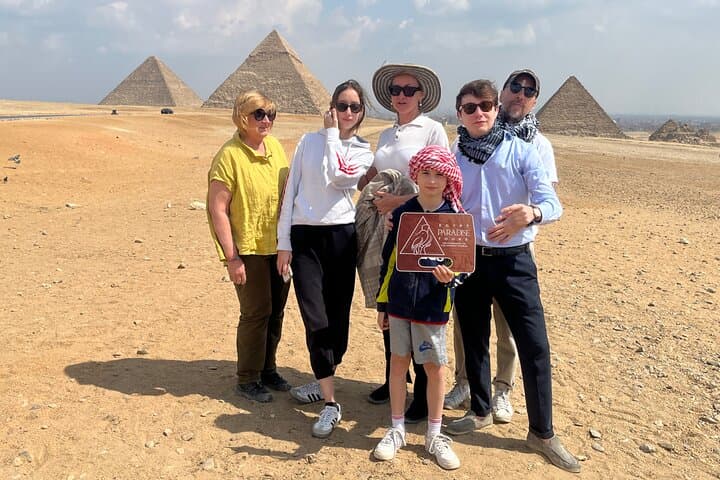
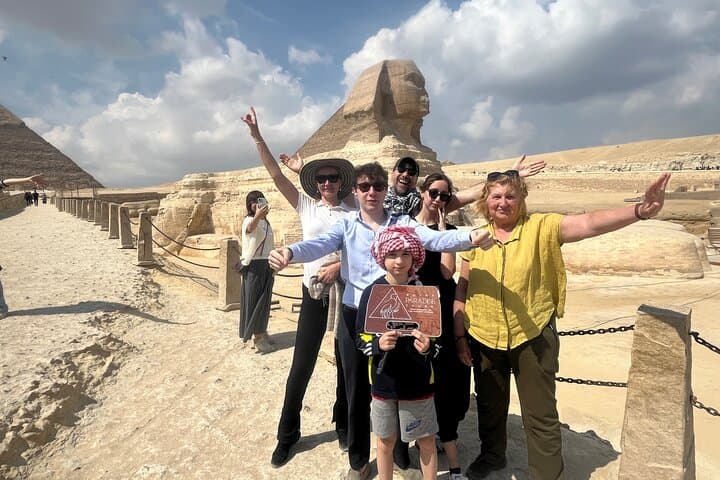
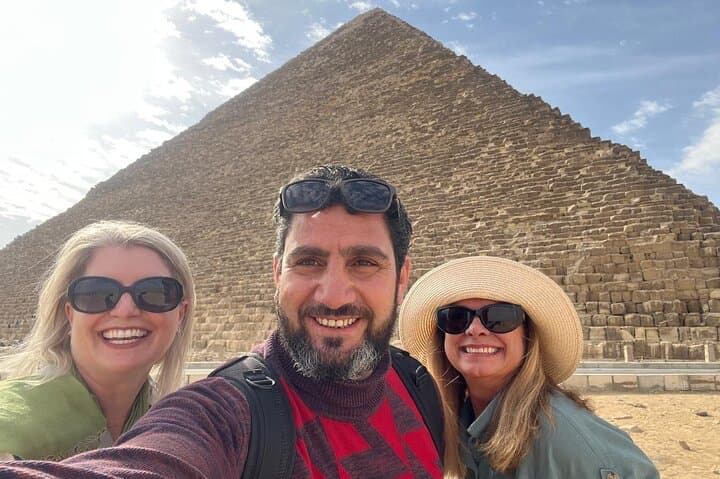
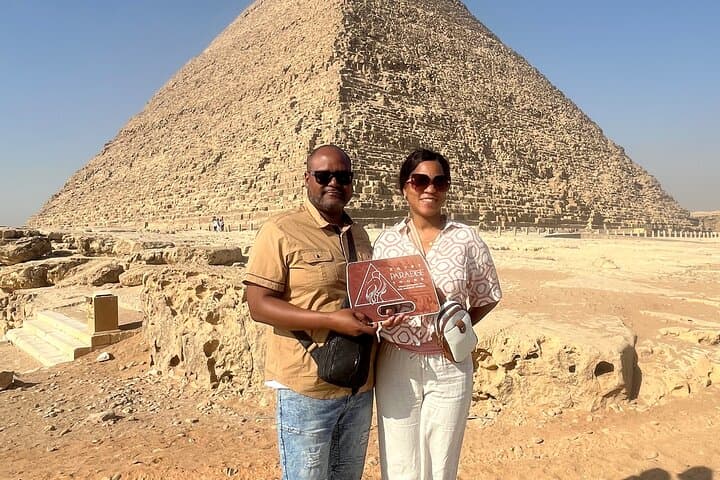
The morning light on the Giza plateau makes stone look newly cut — sharp edges throwing cool shadows across sands walked for millennia. You arrive by air‑conditioned car, stepped out under the Pyramids’ immense scale, and let an Egyptologist thread context through the geometry and grooves: why the Khufu passage aligns the way it does, where the Sphinx once wore colored paint, how funerary rituals shaped a civilization.
Verified experiences and guided adventures in the surrounding area.
Operated by Egypt Paradise Tours · Cairo, Cairo Governorate
The morning light on the Giza plateau makes stone look newly cut — sharp edges throwing cool shadows across sands walked for millennia. You arrive by air‑conditioned car, stepped out under the Pyramids’ immense scale, and let an Egyptologist thread context through the geometry and grooves: why the Khufu passage aligns the way it does, where the Sphinx once wore colored paint, how funerary rituals shaped a civilization.
Across three days the trip reads like a condensed history of Egypt: Old Kingdom engineering at Saqqara’s Step Pyramid; the archaeological collage of Memphis; Pharaonic artifacts and royal mummies inside the Egyptian Museum; Islamic Cairo’s Citadel with its Ottoman mosque perched above the city; then a coastal change of pace in Alexandria — catacombs carved with Greco‑Roman motifs, Pompey’s Pillar, and the modern Bibliotheca Alexandrina facing the Mediterranean.
Geology and urban fabric are part of the story: the Nile’s annual flood created the silt that fed pharaonic wealth, limestone beds became quarries for monumental blocks, and Alexandria’s coastline preserves layers of Hellenistic and Roman occupation just offshore.
Practical guidance: plan for full days of walking on uneven surfaces and stairs, wear sturdy shoes and sun protection, and carry a reusable water bottle (bottled water is provided but bringing your own reduces waste). Mornings are cooler and less crowded at major sites; afternoons suit museums and the Citadel. Bring photocopies of your passport, and budget for optional pyramid interior access and tips. With a licensed guide and private transfers, this itinerary lets you move deeply through Egypt’s layered past without logistical friction.
easy.
3 days (full-day tours).
Suitable for most travelers who can manage several hours of walking per day and climbing short staircases.
Interior entry is sometimes available but usually costs extra; the tour includes access to main external areas and can arrange interior tickets upon request.
Yes — for optional entrance fees, tips, and small purchases; ATMs are available in cities but bring some local currency for convenience.
Major site admissions listed in the itinerary are included; special exhibits or private mummy rooms may require additional fees.
The itinerary is generally suitable for families and most fitness levels, but some sites have steps and uneven terrain — contact the operator about mobility needs and alternative access.
The route traces Egypt’s long continuum: Old Kingdom funerary complexes, medieval Islamic citadels, and Hellenistic Alexandria where cultures and learning converged.
These sites are fragile; follow site rules (no climbing on monuments, no flash photography in tombs), minimize single-use plastic, and support local conservation fees where offered.
Egypt Paradise Tours operates guided outdoor trips and adventures with an emphasis on safety, stewardship, and memorable experiences.
The morning light on the Giza plateau makes stone look newly cut — sharp edges throwing cool shadows across sands walked for millennia. You arrive by air‑conditioned car, stepped out under the Pyramids’ immense scale, and let an Egyptologist thread context through the geometry and grooves: why the Khufu passage aligns the way it does, where the Sphinx once wore colored paint, how funerary rituals shaped a civilization.
The morning light on the Giza plateau makes stone look newly cut — sharp edges throwing cool shadows across sands walked for millennia. You arrive by air‑conditioned car, stepped out under the Pyramids’ immense scale, and let an Egyptologist thread context through the geometry and grooves: why the Khufu passage aligns the way it does, where the Sphinx once wore colored paint, how funerary rituals shaped a civilization.
Across three days the trip reads like a condensed history of Egypt: Old Kingdom engineering at Saqqara’s Step Pyramid; the archaeological collage of Memphis; Pharaonic artifacts and royal mummies inside the Egyptian Museum; Islamic Cairo’s Citadel with its Ottoman mosque perched above the city; then a coastal change of pace in Alexandria — catacombs carved with Greco‑Roman motifs, Pompey’s Pillar, and the modern Bibliotheca Alexandrina facing the Mediterranean.
Geology and urban fabric are part of the story: the Nile’s annual flood created the silt that fed pharaonic wealth, limestone beds became quarries for monumental blocks, and Alexandria’s coastline preserves layers of Hellenistic and Roman occupation just offshore.
Practical guidance: plan for full days of walking on uneven surfaces and stairs, wear sturdy shoes and sun protection, and carry a reusable water bottle (bottled water is provided but bringing your own reduces waste). Mornings are cooler and less crowded at major sites; afternoons suit museums and the Citadel. Bring photocopies of your passport, and budget for optional pyramid interior access and tips. With a licensed guide and private transfers, this itinerary lets you move deeply through Egypt’s layered past without logistical friction.