THE ADVENTURE COLLECTIVE® · Independent discovery and booking for outdoor travel

Spend three days birding Lake Bunyonyi with a private guide, boat access to island coves, and chance encounters with over 200 species. Ideal for serious birders and curious travelers who want focused, early-morning watching and local cultural context.
Spend three days birding Lake Bunyonyi with a private guide, boat access to island coves, and chance encounters with over 200 species. Ideal for serious birders and curious travelers who want focused, early-morning watching and local cultural context.
The first light over Lake Bunyonyi cuts across glassy water, islands casting long, slow shadows while warblers and weavers start their morning calls. You step onto a wooden launch and the lake seems to lean toward you, urging quiet and attention; reeds whisper as the boat slips between more than 27 islands that punctuate the surface.
Verified experiences and guided adventures in the surrounding area.
Operated by Gorilla safari uganda · Kabale, Kabale District
The first light over Lake Bunyonyi cuts across glassy water, islands casting long, slow shadows while warblers and weavers start their morning calls. You step onto a wooden launch and the lake seems to lean toward you, urging quiet and attention; reeds whisper as the boat slips between more than 27 islands that punctuate the surface.
Geologically, Bunyonyi sits in a rift-influenced highland basin at roughly 1,950m elevation, carved by tectonic movement and erosion—its deep water and sheltered islands create microhabitats for birds and small mammals. The Kiga and Bakiga people stewarded these islands for generations; some islands hold grave sites and terraced gardens, a reminder that culture and nature meet here.
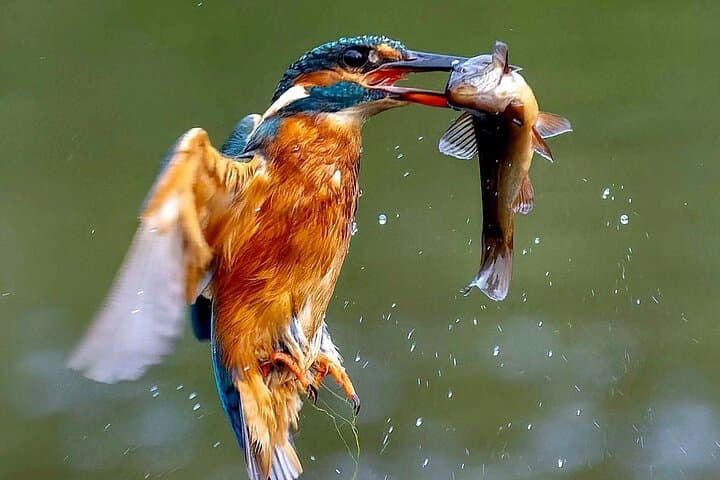
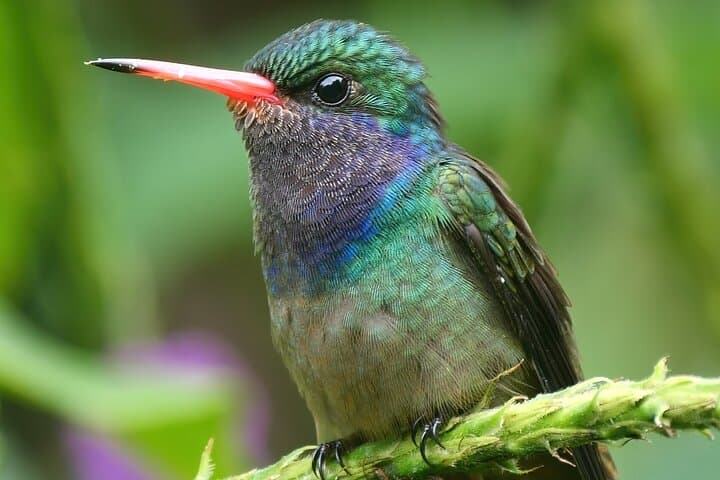
Over three days expect focused, private guiding to known feeding and roosting spots. Lake Bunyonyi hosts over 200 bird species: grey crowned crane, African harrier-hawk, white-tailed blue-monard and resident herons are regulars; migrants seasonally augment the lists. Guides orient you to calls, field marks and good photographic angles while navigating quiet coves and reed beds.
Practicalities: mornings are prime—plan pre-dawn starts and relaxed midday rests. Wear layered, quick-dry clothing, bring a spotting scope or binoculars, and protect kit from mist and rain. Roads into Kabale are paved but can be bumpy; private transport is included, so luggage logistics are simple. Local guides can combine boat-based watches with short island walks to access viewpoints and village contacts.
This trip balances patient observation with movement: the lake invites you to follow a call, learn its source, and return with a tighter species list and clearer idea of how highland wetlands shape life in southwestern Uganda.
easy.
3 days.
Suitable for all fitness levels; involves short, easy island walks and low-impact boat transfers.
Yes—this private experience includes a dedicated guide and private transportation as listed; confirm pickup location at booking.
Drier months (June–August and December–February) often offer better visibility, but birding is productive year-round with migrant pulses in wet seasons.
No—this trip suits all levels; guides tailor the pace and ID help to your experience and interests.
Breakfast and dinner are listed as included; confirm whether lunch or accommodations are provided when you book.
The Bakiga people have farmed the surrounding highlands for centuries; many islands were used for burial and refuge, shaping local place names and access patterns.
Lake Bunyonyi's wetlands are sensitive to erosion and agricultural runoff; low-impact boat access and community-based guiding help reduce disturbance while supporting local livelihoods.
Gorilla safari uganda operates guided outdoor trips and adventures with an emphasis on safety, stewardship, and memorable experiences.
The first light over Lake Bunyonyi cuts across glassy water, islands casting long, slow shadows while warblers and weavers start their morning calls. You step onto a wooden launch and the lake seems to lean toward you, urging quiet and attention; reeds whisper as the boat slips between more than 27 islands that punctuate the surface.
The first light over Lake Bunyonyi cuts across glassy water, islands casting long, slow shadows while warblers and weavers start their morning calls. You step onto a wooden launch and the lake seems to lean toward you, urging quiet and attention; reeds whisper as the boat slips between more than 27 islands that punctuate the surface.
Geologically, Bunyonyi sits in a rift-influenced highland basin at roughly 1,950m elevation, carved by tectonic movement and erosion—its deep water and sheltered islands create microhabitats for birds and small mammals. The Kiga and Bakiga people stewarded these islands for generations; some islands hold grave sites and terraced gardens, a reminder that culture and nature meet here.
Over three days expect focused, private guiding to known feeding and roosting spots. Lake Bunyonyi hosts over 200 bird species: grey crowned crane, African harrier-hawk, white-tailed blue-monard and resident herons are regulars; migrants seasonally augment the lists. Guides orient you to calls, field marks and good photographic angles while navigating quiet coves and reed beds.
Practicalities: mornings are prime—plan pre-dawn starts and relaxed midday rests. Wear layered, quick-dry clothing, bring a spotting scope or binoculars, and protect kit from mist and rain. Roads into Kabale are paved but can be bumpy; private transport is included, so luggage logistics are simple. Local guides can combine boat-based watches with short island walks to access viewpoints and village contacts.
This trip balances patient observation with movement: the lake invites you to follow a call, learn its source, and return with a tighter species list and clearer idea of how highland wetlands shape life in southwestern Uganda.