THE ADVENTURE COLLECTIVE® · Independent discovery and booking for outdoor travel

Three days in Beijing move fast: imperial halls, a sunrise Great Wall hike at Mutianyu, and a hands-on hutong cooking class. This private tour blends cultural immersion with moderate hiking and practical logistics for travelers seeking history and local flavors.
Three days in Beijing move fast: imperial halls, a sunrise Great Wall hike at Mutianyu, and a hands-on hutong cooking class. This private tour blends cultural immersion with moderate hiking and practical logistics for travelers seeking history and local flavors.
You step out into a wide, cool plaza—Tiananmen’s flag flaps, the square opens like a public room where history still speaks. Through the next three days the city shifts beneath your feet: imperial courts of the Forbidden City, the whispering pines around Mutianyu, and the low courtyards of a hutong where a chef hands you a cleaver.
Verified experiences and guided adventures in the surrounding area.
Operated by Urban Passer · Beijing, Beijing
You step out into a wide, cool plaza—Tiananmen’s flag flaps, the square opens like a public room where history still speaks. Through the next three days the city shifts beneath your feet: imperial courts of the Forbidden City, the whispering pines around Mutianyu, and the low courtyards of a hutong where a chef hands you a cleaver.
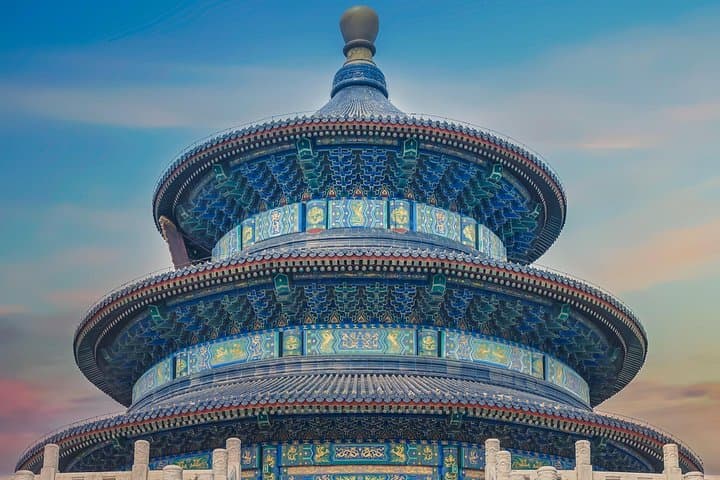
Beijing’s layers are literal: Yuanmingyuan’s lakeside terraces and the Summer Palace’s man-made Longevity Hill reflect centuries of imperial planning, while the Mutianyu section of the Great Wall climbs the rounded ridges of the Yan Mountains. The Forbidden City (Ming and Qing dynasties) holds grand ceremonial halls and precise axial planning; Temple of Heaven was built for seasonal rites linked to agrarian cycles.
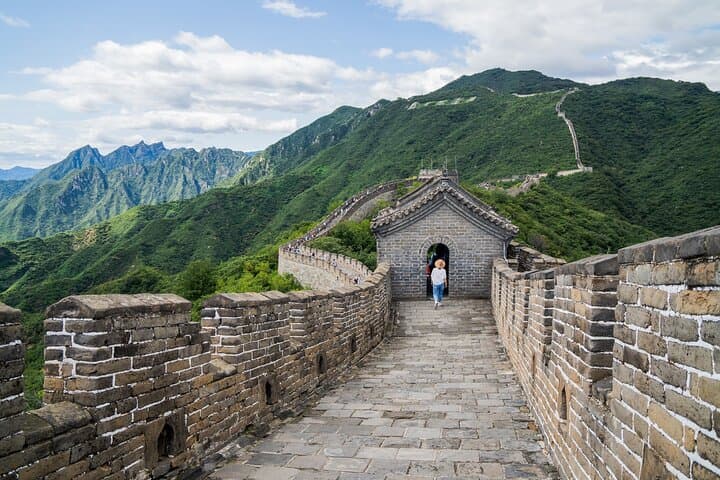
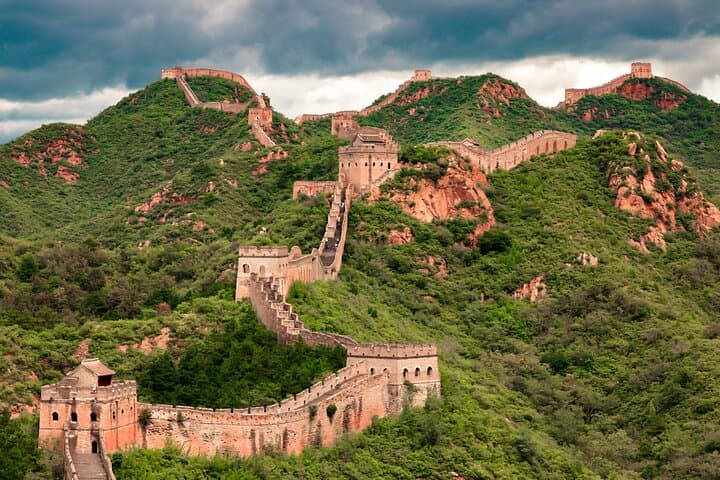
Culturally, the hutongs preserve community life—small markets, courtyards, and family-run eateries—and Hongqiao’s pearl market shows a different, bustling commerce. Geologically, Mutianyu’s watchtowers perch on weathered bedrock and forested slopes, offering panoramic lines of wall and valley.
Practically: plan comfortable walking shoes and layered clothing; the Mutianyu moderate hike covers roughly 700 meters (2,300 ft) along restored ramparts with up to 140 meters (460 ft) of incline and takes about two hours at a steady pace. Cable car and toboggan options are available at extra cost. Bring your passport information for prebooked Forbidden City tickets, a reusable water bottle, small cash for markets and taxis, and expect some substitutions on Mondays when the Forbidden City is closed. Start early to avoid crowds and give yourself time to savor the acrobatic show and the hands-on hutong cooking class on day three.
moderate.
3 days.
Participants should be comfortable walking several hours over uneven surfaces and climbing stairs; basic stamina for a 2‑hour uphill walk on Day 1.
The Mutianyu section features restored steps and ramps; the typical hike covers about 700 meters with up to 140 meters of elevation gain and is moderate—cable car and chairlift options reduce exertion.
If the Forbidden City is closed (commonly Mondays), the itinerary substitutes another site such as the Summer Palace or Lama Temple—your guide will advise the day before.
Lunches on all three days plus two dinners are included as listed; the hutong cooking class includes a hands-on meal you prepare.
No—travelers must secure their own China visas before arrival; the operator requires passport details to reserve attraction tickets but cannot issue visas.
Beijing’s layout reflects imperial planning from the Ming and Qing dynasties; the Forbidden City served as the imperial palace for nearly 500 years.
High visitor numbers stress the Great Wall and palace grounds—stay on marked paths, avoid removing stones or graffiti, and support local conservation fees when offered.
Urban Passer operates guided outdoor trips and adventures with an emphasis on safety, stewardship, and memorable experiences.

You step out into a wide, cool plaza—Tiananmen’s flag flaps, the square opens like a public room where history still speaks. Through the next three days the city shifts beneath your feet: imperial courts of the Forbidden City, the whispering pines around Mutianyu, and the low courtyards of a hutong where a chef hands you a cleaver.
You step out into a wide, cool plaza—Tiananmen’s flag flaps, the square opens like a public room where history still speaks. Through the next three days the city shifts beneath your feet: imperial courts of the Forbidden City, the whispering pines around Mutianyu, and the low courtyards of a hutong where a chef hands you a cleaver.
Beijing’s layers are literal: Yuanmingyuan’s lakeside terraces and the Summer Palace’s man-made Longevity Hill reflect centuries of imperial planning, while the Mutianyu section of the Great Wall climbs the rounded ridges of the Yan Mountains. The Forbidden City (Ming and Qing dynasties) holds grand ceremonial halls and precise axial planning; Temple of Heaven was built for seasonal rites linked to agrarian cycles.
Culturally, the hutongs preserve community life—small markets, courtyards, and family-run eateries—and Hongqiao’s pearl market shows a different, bustling commerce. Geologically, Mutianyu’s watchtowers perch on weathered bedrock and forested slopes, offering panoramic lines of wall and valley.
Practically: plan comfortable walking shoes and layered clothing; the Mutianyu moderate hike covers roughly 700 meters (2,300 ft) along restored ramparts with up to 140 meters (460 ft) of incline and takes about two hours at a steady pace. Cable car and toboggan options are available at extra cost. Bring your passport information for prebooked Forbidden City tickets, a reusable water bottle, small cash for markets and taxis, and expect some substitutions on Mondays when the Forbidden City is closed. Start early to avoid crowds and give yourself time to savor the acrobatic show and the hands-on hutong cooking class on day three.