THE ADVENTURE COLLECTIVE® · Independent discovery and booking for outdoor travel

A private three‑day VIP circuit from Angkor Wat to Phnom Kulen that pairs sunrise rituals, jungle-temple exploration and optional motorbike rides — ideal for travelers who want pace, context and local interpretation.
A private three‑day VIP circuit from Angkor Wat to Phnom Kulen that pairs sunrise rituals, jungle-temple exploration and optional motorbike rides — ideal for travelers who want pace, context and local interpretation.
Before sunrise the plaza at Angkor Wat holds its breath: stone tiers catch the first light and the air cools around carved devatas. This private three‑day VIP circuit moves from that hush through the broader sweep of Angkor Thom’s carved faces, the jungle-wrapped corridors of Ta Prohm and the stepped pyramids of Koh Ker, finishing on Phnom Kulen where rivers and waterfalls press against sacred carvings.
Verified experiences and guided adventures in the surrounding area.
Operated by Naga 7 Tours · Siem Reap, Siem Reap Province
Before sunrise the plaza at Angkor Wat holds its breath: stone tiers catch the first light and the air cools around carved devatas. This private three‑day VIP circuit moves from that hush through the broader sweep of Angkor Thom’s carved faces, the jungle-wrapped corridors of Ta Prohm and the stepped pyramids of Koh Ker, finishing on Phnom Kulen where rivers and waterfalls press against sacred carvings.
The sites here are the legacy of the Khmer Empire (9th–15th centuries), with Angkor Wat built in the 12th century as a Hindu cosmological monument later converted to a Buddhist temple. Geologically the region sits on flat alluvial plains; sandstone blocks quarried and transported long ago form the delicate bas‑reliefs and giant faces that weather differently depending on exposure and water run‑off.
Culturally, temples remain active places of worship—dress modestly and move quietly. Local guides interpret iconography, explaining why some lintels still hold river scenes while others show mythic battles. The jungle in places like Beng Mealea feels alive, roots wrapping stones and sunlight punching through the canopy.
Practical guidance: plan early starts to avoid midday heat and crowds, bring a reusable water bottle, and wear grippy shoes for uneven steps and wet rock at Kulen. Expect slow, deliberate walking between monuments and short drives across rural roads. If you opt for the motorbike add‑on on day three, factor in basic off‑road skill and a helmet.
This VIP format gives time at each major ruin without the rush—pack sun protection, modest clothing, and a patient curiosity for stonework worn by centuries of monsoon and human life.
moderate.
3 days.
Suitable for most travelers who can walk 2–5 miles across uneven, stepped terrain each day; basic balance required for temple steps.
Entrance fees to Angkor Archaeological Park are not included by default; most operators advise you to buy a 1‑, 3‑ or 7‑day pass at the official ticket center prior to touring.
Yes—an optional motorbike/quad rental is often available for Phnom Kulen; confirm helmet provision, insurance and your comfort with rural dirt tracks.
Typical days start at sunrise, include guided hours at two to four temple sites with a midday break for lunch and rest, and short transfers between locations.
Many areas require steps and uneven footing; older travelers can participate but should expect some limitations and may request shorter walking sections or more time in the vehicle.
Angkor’s core was built by Khmer rulers between the 9th and 13th centuries; Angkor Wat was commissioned in the 12th century by Suryavarman II and served both political and religious functions.
Visitor pressure and water erosion threaten delicate bas‑reliefs; stick to marked paths, avoid touching carvings and hire licensed local guides to support conservation-minded tourism.
Naga 7 Tours operates guided outdoor trips and adventures with an emphasis on safety, stewardship, and memorable experiences.
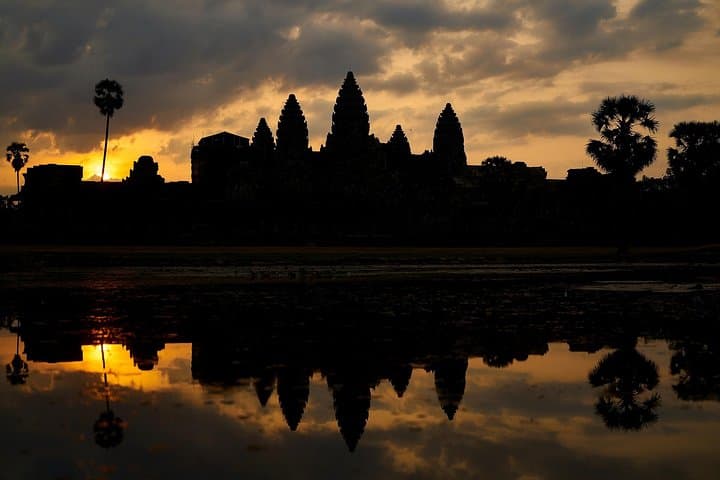
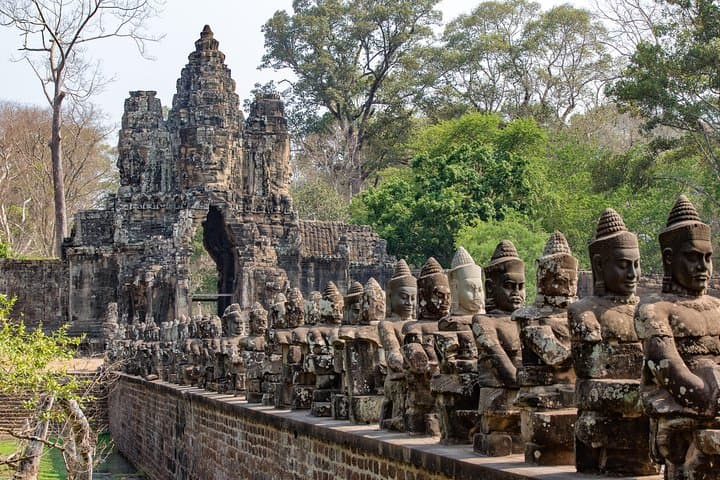
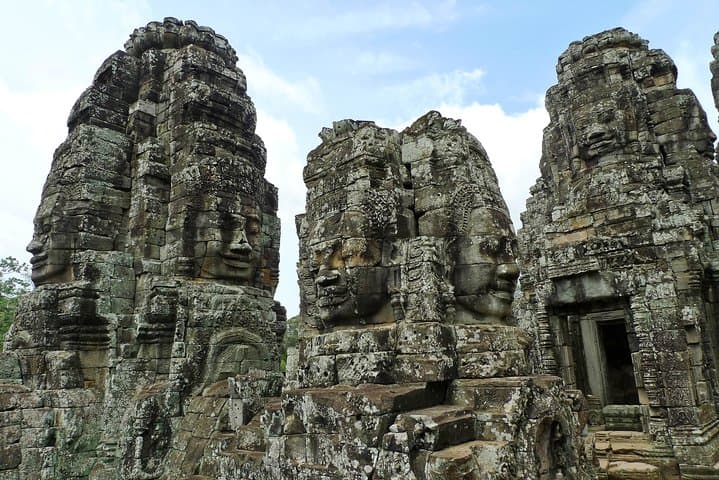
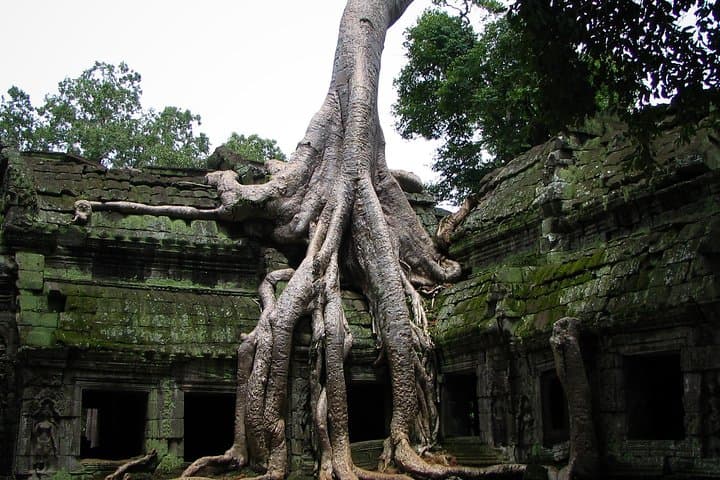
Before sunrise the plaza at Angkor Wat holds its breath: stone tiers catch the first light and the air cools around carved devatas. This private three‑day VIP circuit moves from that hush through the broader sweep of Angkor Thom’s carved faces, the jungle-wrapped corridors of Ta Prohm and the stepped pyramids of Koh Ker, finishing on Phnom Kulen where rivers and waterfalls press against sacred carvings.
Before sunrise the plaza at Angkor Wat holds its breath: stone tiers catch the first light and the air cools around carved devatas. This private three‑day VIP circuit moves from that hush through the broader sweep of Angkor Thom’s carved faces, the jungle-wrapped corridors of Ta Prohm and the stepped pyramids of Koh Ker, finishing on Phnom Kulen where rivers and waterfalls press against sacred carvings.
The sites here are the legacy of the Khmer Empire (9th–15th centuries), with Angkor Wat built in the 12th century as a Hindu cosmological monument later converted to a Buddhist temple. Geologically the region sits on flat alluvial plains; sandstone blocks quarried and transported long ago form the delicate bas‑reliefs and giant faces that weather differently depending on exposure and water run‑off.
Culturally, temples remain active places of worship—dress modestly and move quietly. Local guides interpret iconography, explaining why some lintels still hold river scenes while others show mythic battles. The jungle in places like Beng Mealea feels alive, roots wrapping stones and sunlight punching through the canopy.
Practical guidance: plan early starts to avoid midday heat and crowds, bring a reusable water bottle, and wear grippy shoes for uneven steps and wet rock at Kulen. Expect slow, deliberate walking between monuments and short drives across rural roads. If you opt for the motorbike add‑on on day three, factor in basic off‑road skill and a helmet.
This VIP format gives time at each major ruin without the rush—pack sun protection, modest clothing, and a patient curiosity for stonework worn by centuries of monsoon and human life.