THE ADVENTURE COLLECTIVE® · Independent discovery and booking for outdoor travel

Experience Angkor’s major temples and the living edges of Tonle Sap on a private three-day circuit from Siem Reap. Early starts, shaded galleries and a local guide bring history, carving and daily life into focus.
Experience Angkor’s major temples and the living edges of Tonle Sap on a private three-day circuit from Siem Reap. Early starts, shaded galleries and a local guide bring history, carving and daily life into focus.
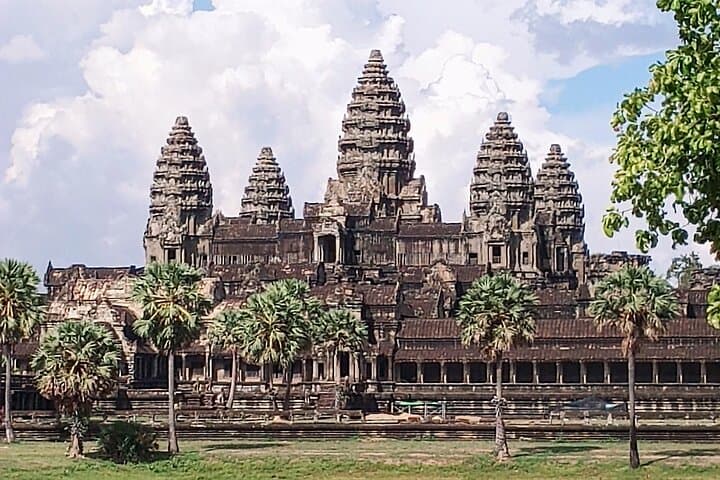
The sun lifts itself over the wide moat and the central towers of Angkor Wat appear like a carved horizon—black silhouettes against a pale sky. On a private three-day loop from Siem Reap you move through open courtyards, root-choked galleries and reflective barays, the stones still warm from the day’s heat.
Verified experiences and guided adventures in the surrounding area.
Operated by Tour Guide-Siem Reap · Siem Reap, Siem Reap Province
The sun lifts itself over the wide moat and the central towers of Angkor Wat appear like a carved horizon—black silhouettes against a pale sky. On a private three-day loop from Siem Reap you move through open courtyards, root-choked galleries and reflective barays, the stones still warm from the day’s heat.
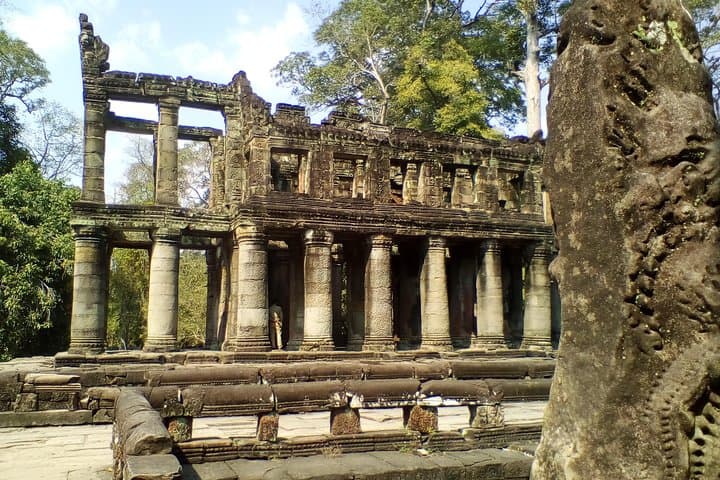
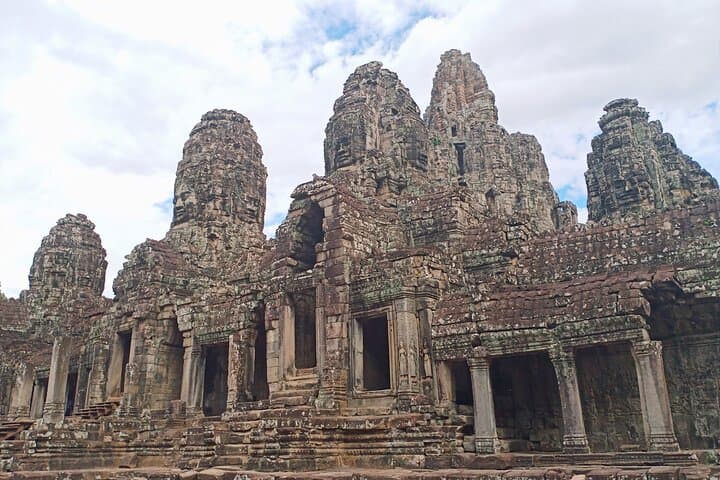
These temples are chapters of the Khmer Empire: Angkor Wat’s soaring planners and bas-reliefs from the 12th century; Bayon’s stone faces observing a changing world; Ta Prohm’s strangling figs that push and pry at brickwork. Banteay Srei, thirty-some kilometers northeast, shows a different hand—fine pink sandstone with intricate carving that earned it early praise. Tonle Sap’s floating villages add living culture to the stone—a seasonal lake that swells and recedes, driving an aquatic rhythm in local life.
Expect uneven laterite and sandstone steps, shaded corridors, and hot, humid afternoons punctuated by sudden tropical rains. Early starts capture cool light and smaller crowds; afternoons suit museums, markets, and the floating villages. Dress respectfully—covered shoulders and knees are required at major temples—and carry cash for food, tips and small donations.
Practical tips: wear broken-in walking shoes with grip, sun protection and a lightweight rain shell; bring insect repellent and a refillable water bottle; budget temple-pass time (multi-day passes are standard); and allow at least one slow morning for Tonle Sap’s boat community. A private guide slows and deepens the experience: they read inscriptions, point out bas-relief scenes, and steer you around the busiest corridors so the stones can speak.
easy.
3 days.
Suitable for most fitness levels; requires regular walking on uneven surfaces and climbable temple steps.
Yes — Angkor Archaeological Park requires a timed ticket; multi-day passes (1-, 3- or 7-day) are available and are required to visit most major sites.
Many areas and transport options are accessible, but some temple sections have steps and uneven terrain; check specific accessibility needs with the operator in advance.
Cambodian riel are used locally, but US dollars are widely accepted; have small-dollar bills for market purchases, tips and donations.
Expect several hours of on-foot exploration daily with repeated stair climbs; pacing and breaks are included, and transportation returns you to your hotel each day.
Angkor was the capital of the Khmer Empire from the 9th–15th centuries; the complexes evolved from Hindu to Buddhist uses, reflecting political and religious shifts.
Visitor pressure threatens delicate carvings and the seasonal ecology of Tonle Sap; follow route guidance, avoid climbing on fragile reliefs and support local conservation programs.
Tour Guide-Siem Reap operates guided outdoor trips and adventures with an emphasis on safety, stewardship, and memorable experiences.
The sun lifts itself over the wide moat and the central towers of Angkor Wat appear like a carved horizon—black silhouettes against a pale sky. On a private three-day loop from Siem Reap you move through open courtyards, root-choked galleries and reflective barays, the stones still warm from the day’s heat.
The sun lifts itself over the wide moat and the central towers of Angkor Wat appear like a carved horizon—black silhouettes against a pale sky. On a private three-day loop from Siem Reap you move through open courtyards, root-choked galleries and reflective barays, the stones still warm from the day’s heat.
These temples are chapters of the Khmer Empire: Angkor Wat’s soaring planners and bas-reliefs from the 12th century; Bayon’s stone faces observing a changing world; Ta Prohm’s strangling figs that push and pry at brickwork. Banteay Srei, thirty-some kilometers northeast, shows a different hand—fine pink sandstone with intricate carving that earned it early praise. Tonle Sap’s floating villages add living culture to the stone—a seasonal lake that swells and recedes, driving an aquatic rhythm in local life.
Expect uneven laterite and sandstone steps, shaded corridors, and hot, humid afternoons punctuated by sudden tropical rains. Early starts capture cool light and smaller crowds; afternoons suit museums, markets, and the floating villages. Dress respectfully—covered shoulders and knees are required at major temples—and carry cash for food, tips and small donations.
Practical tips: wear broken-in walking shoes with grip, sun protection and a lightweight rain shell; bring insect repellent and a refillable water bottle; budget temple-pass time (multi-day passes are standard); and allow at least one slow morning for Tonle Sap’s boat community. A private guide slows and deepens the experience: they read inscriptions, point out bas-relief scenes, and steer you around the busiest corridors so the stones can speak.