THE ADVENTURE COLLECTIVE® · Independent discovery and booking for outdoor travel

A private 3-day 4x4 safari offering daily game drives across the Masai Mara—home to the Big Five and the epic wildebeest migration. Early starts, riverside lunches, and camp nights combine for an accessible, wildlife-focused adventure.
A private 3-day 4x4 safari offering daily game drives across the Masai Mara—home to the Big Five and the epic wildebeest migration. Early starts, riverside lunches, and camp nights combine for an accessible, wildlife-focused adventure.
Morning light slices across the Mara as the 4x4 hums along a dust track, acacia silhouettes sharpening against a sky that seems to go on forever. You’ll climb into a private Jeep in Nairobi and ride west into the Rift Valley, arriving at a camp framed by open grassland and the distant Oloololo Escarpment. Game drives punctuate the days: lions loiter in long grass, elephants amble through koppies, and if you visit June–September the Mara River dares thousands of wildebeest to cross.
Verified experiences and guided adventures in the surrounding area.
Operated by African Breeze Tours · Narok, Narok County
Morning light slices across the Mara as the 4x4 hums along a dust track, acacia silhouettes sharpening against a sky that seems to go on forever. You’ll climb into a private Jeep in Nairobi and ride west into the Rift Valley, arriving at a camp framed by open grassland and the distant Oloololo Escarpment. Game drives punctuate the days: lions loiter in long grass, elephants amble through koppies, and if you visit June–September the Mara River dares thousands of wildebeest to cross.
The Masai Mara reserve, established in 1961, sits on volcanic soils shaped by the Rift’s tectonics; the rolling savannah, riverine galleries and escarpments create microhabitats that support dense wildlife. Maasai communities live on the reserve’s edges—herders with a deep cultural relationship to cattle—and community conservancies now partner with lodges to protect corridors for migration.
Practical guidance is straightforward. Expect long but comfortable drives (Nairobi → Mara ≈ 4–6 hours by road, ~250–280 km depending on route) and early starts to catch predators at dawn. Elevation hovers near 1,500–1,900 m, so sun is strong and nights can be cool. Bring binoculars, layered clothing, and a camera with a long lens; vehicles provide shade but not warmth. Hydrate between morning and afternoon drives, and keep movement measured around large animals—guides set safe distances. Camps typically include three meals and guided game drives; tipping drivers and guides is customary. With minimal walking required, this private Jeep safari balances close wildlife encounters with the comfort of camp life, delivering an intimate, practical Masai Mara experience.
easy.
3 days.
Minimal walking required; suitable for travelers in average health who can enter/exit a vehicle and tolerate bumpy roads.
The peak river crossings typically occur June through September when wildebeest move from the Serengeti into the Masai Mara; timing varies yearly with rainfall.
Road transfers generally take 4–6 hours (≈250–280 km) depending on traffic and which access gate is used; light aircraft options are available separately.
This operator lists wheelchair-accessible transportation, but accessibility can vary by vehicle and camp—confirm needs during booking so arrangements can be made.
Bring routine travel vaccines, consider malaria prophylaxis, carry a small first-aid kit, and follow guides’ instructions around wildlife and water sources.
Masai Mara Reserve was established in 1961; the area lies within Maasai territory and conservation now balances tourism with pastoral livelihoods.
Conservation relies on community conservancies and anti-poaching patrols; visitors can support locally-run camps that reinvest in land protection and Maasai livelihoods.
African Breeze Tours operates guided outdoor trips and adventures with an emphasis on safety, stewardship, and memorable experiences.
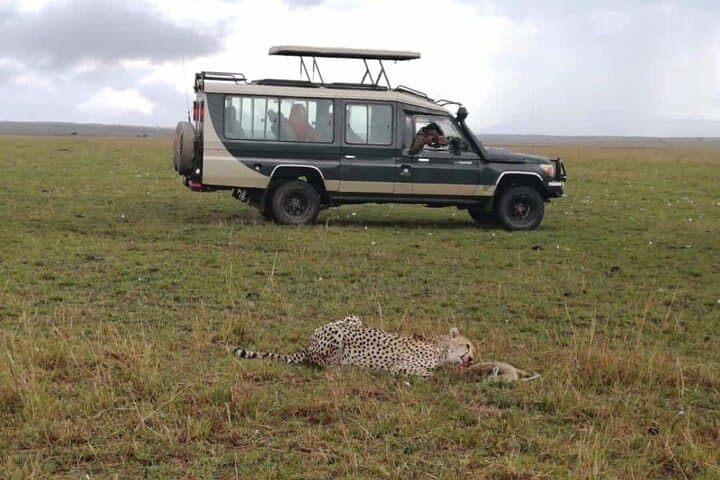
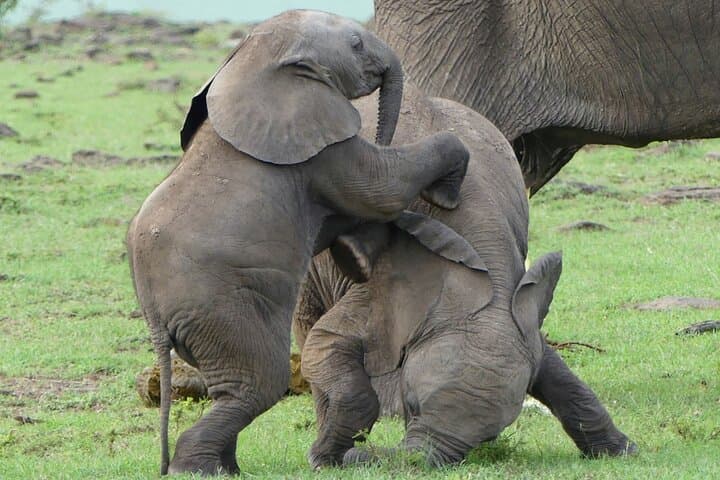
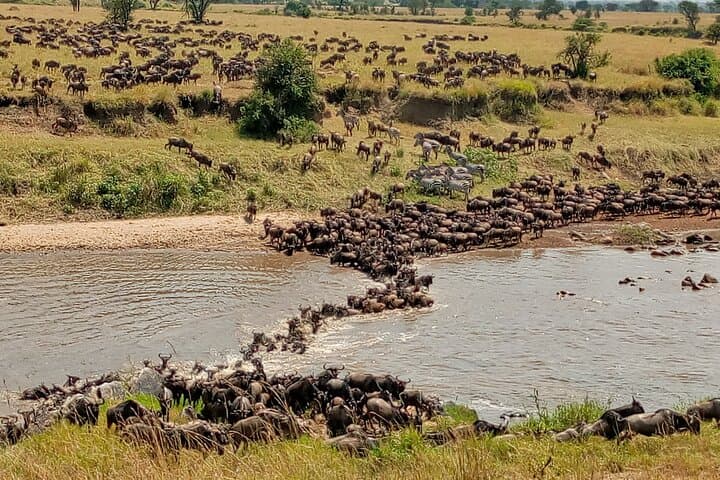
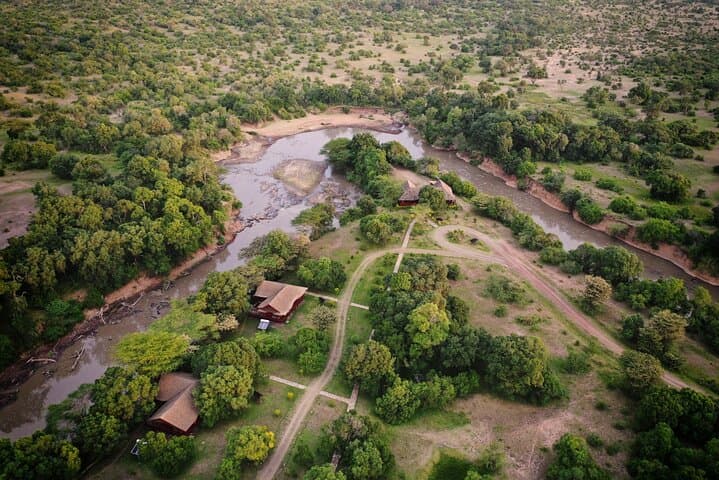
Morning light slices across the Mara as the 4x4 hums along a dust track, acacia silhouettes sharpening against a sky that seems to go on forever. You’ll climb into a private Jeep in Nairobi and ride west into the Rift Valley, arriving at a camp framed by open grassland and the distant Oloololo Escarpment. Game drives punctuate the days: lions loiter in long grass, elephants amble through koppies, and if you visit June–September the Mara River dares thousands of wildebeest to cross.
Morning light slices across the Mara as the 4x4 hums along a dust track, acacia silhouettes sharpening against a sky that seems to go on forever. You’ll climb into a private Jeep in Nairobi and ride west into the Rift Valley, arriving at a camp framed by open grassland and the distant Oloololo Escarpment. Game drives punctuate the days: lions loiter in long grass, elephants amble through koppies, and if you visit June–September the Mara River dares thousands of wildebeest to cross.
The Masai Mara reserve, established in 1961, sits on volcanic soils shaped by the Rift’s tectonics; the rolling savannah, riverine galleries and escarpments create microhabitats that support dense wildlife. Maasai communities live on the reserve’s edges—herders with a deep cultural relationship to cattle—and community conservancies now partner with lodges to protect corridors for migration.
Practical guidance is straightforward. Expect long but comfortable drives (Nairobi → Mara ≈ 4–6 hours by road, ~250–280 km depending on route) and early starts to catch predators at dawn. Elevation hovers near 1,500–1,900 m, so sun is strong and nights can be cool. Bring binoculars, layered clothing, and a camera with a long lens; vehicles provide shade but not warmth. Hydrate between morning and afternoon drives, and keep movement measured around large animals—guides set safe distances. Camps typically include three meals and guided game drives; tipping drivers and guides is customary. With minimal walking required, this private Jeep safari balances close wildlife encounters with the comfort of camp life, delivering an intimate, practical Masai Mara experience.