THE ADVENTURE COLLECTIVE® · Independent discovery and booking for outdoor travel

Climb to Poon Hill in three compact days for one of the most accessible Annapurna sunrises. This guided trek blends high-elevation panoramas with Gurung village culture and straightforward logistics.
Climb to Poon Hill in three compact days for one of the most accessible Annapurna sunrises. This guided trek blends high-elevation panoramas with Gurung village culture and straightforward logistics.
Dawn arrives cold and immediate above Ghorepani; silhouettes of Annapurna I, Dhaulagiri and Machhapuchhre sharpen as the sky lightens. On the short climb to Poon Hill, rhododendron branches lean toward the trail and the air tastes like high-country tea. By the time the sun clears the ridgeline, entire peaks emerge—white faces and serrated cornices that demand a slow, deliberate gaze.
Verified experiences and guided adventures in the surrounding area.
Operated by Nepal Wilderness Trekking · Ghorepani, Gandaki Province
Dawn arrives cold and immediate above Ghorepani; silhouettes of Annapurna I, Dhaulagiri and Machhapuchhre sharpen as the sky lightens. On the short climb to Poon Hill, rhododendron branches lean toward the trail and the air tastes like high-country tea. By the time the sun clears the ridgeline, entire peaks emerge—white faces and serrated cornices that demand a slow, deliberate gaze.
The Ghorepani–Poon Hill trek traces centuries-old mule paths through Gurung and Magar villages, weaving local culture with the geology of the Lesser Himalaya—folded greywacke and shale under a fringe of rhododendron forests. Settlements like Ghorepani and Ghandruk give a window into hill agriculture and Gurung hospitality; small tea-houses serve dal bhat and tell stories of seasonal transhumance.
Practical guidance is straightforward: the circuit is compact but involves sustained ascents (steps and stone paths) and early starts for the summit sunrise. Expect 4–6 hours walking on main days with 400–800 m of cumulative ascent on steeper segments; terrain ranges from packed earth and stone staircases to muddy stretches in wet weather. Guides and porters are commonly provided, and permits (ACAP, TIMS) are required and typically handled by operators.
Plan layers for cold mornings, bring a headlamp for predawn starts, and schedule buffer time in Pokhara for acclimatization if coming from low elevations. Hydrate, keep footwear grippy for uneven steps, and respect local customs in mountain villages—this short trek rewards early effort with some of the most accessible panoramic Himalayan views in Nepal.
moderate.
3 days.
Moderately fit—regular walkers who can manage 4–6 hour days and steady ascents will be comfortable
The schedule is compact but doable for moderately fit people—expect 4–6 hours walking on main days with repeated sections of stone steps and steady climbs.
Yes—ACAP and TIMS permits are required for the Annapurna region and are usually arranged by your tour operator or guide.
Tea-house lodges provide basic rooms and meals along the route; hot showers may be limited and depend on the village.
Poon Hill reaches roughly 3,210 m; the risk is moderate—ascend slowly, hydrate, and consult a physician about symptoms or medications if you have prior concerns.
The route follows traditional trade and mule tracks used by Gurung and Magar communities; villages on the trail preserve trans‑Himalayan agricultural practices and oral histories.
The trek runs inside the Annapurna Conservation Area—visitors pay permits that fund local conservation, so practice leave-no-trace and minimize single-use plastics.
Nepal Wilderness Trekking operates guided outdoor trips and adventures with an emphasis on safety, stewardship, and memorable experiences.
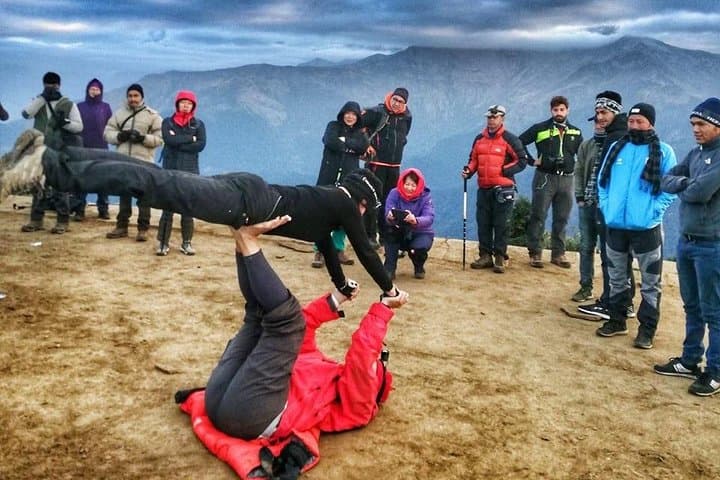
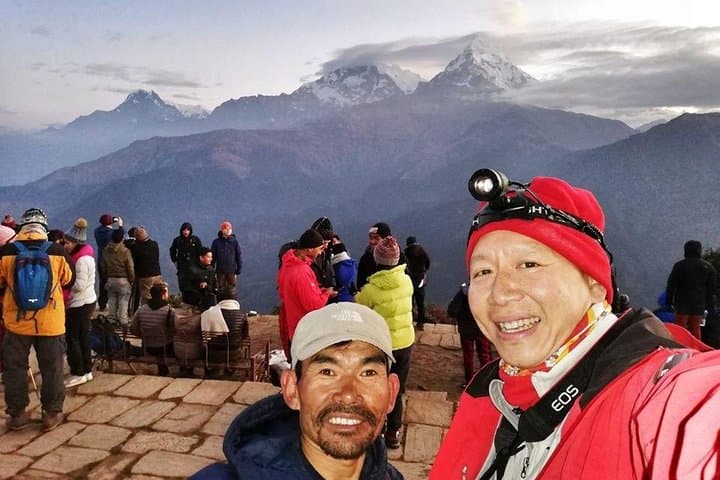
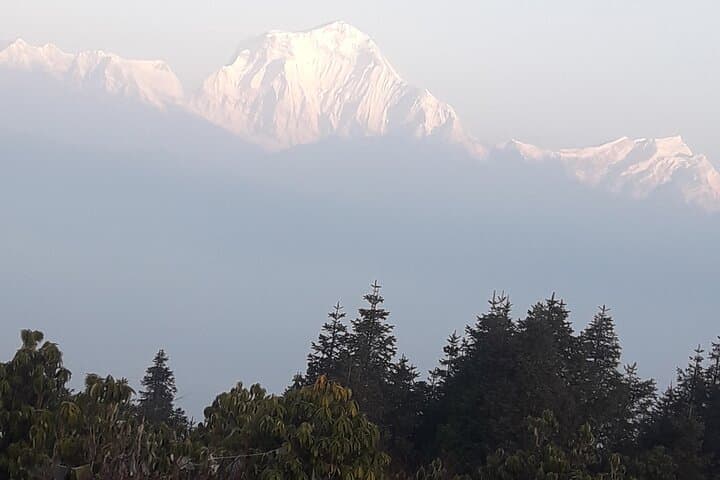
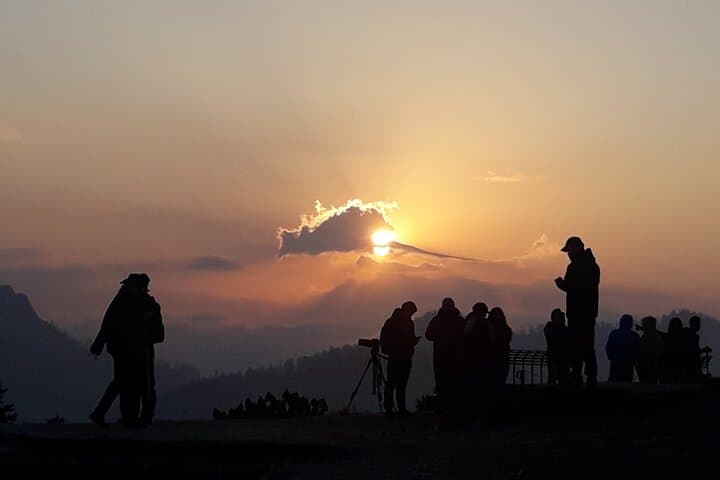
Dawn arrives cold and immediate above Ghorepani; silhouettes of Annapurna I, Dhaulagiri and Machhapuchhre sharpen as the sky lightens. On the short climb to Poon Hill, rhododendron branches lean toward the trail and the air tastes like high-country tea. By the time the sun clears the ridgeline, entire peaks emerge—white faces and serrated cornices that demand a slow, deliberate gaze.
Dawn arrives cold and immediate above Ghorepani; silhouettes of Annapurna I, Dhaulagiri and Machhapuchhre sharpen as the sky lightens. On the short climb to Poon Hill, rhododendron branches lean toward the trail and the air tastes like high-country tea. By the time the sun clears the ridgeline, entire peaks emerge—white faces and serrated cornices that demand a slow, deliberate gaze.
The Ghorepani–Poon Hill trek traces centuries-old mule paths through Gurung and Magar villages, weaving local culture with the geology of the Lesser Himalaya—folded greywacke and shale under a fringe of rhododendron forests. Settlements like Ghorepani and Ghandruk give a window into hill agriculture and Gurung hospitality; small tea-houses serve dal bhat and tell stories of seasonal transhumance.
Practical guidance is straightforward: the circuit is compact but involves sustained ascents (steps and stone paths) and early starts for the summit sunrise. Expect 4–6 hours walking on main days with 400–800 m of cumulative ascent on steeper segments; terrain ranges from packed earth and stone staircases to muddy stretches in wet weather. Guides and porters are commonly provided, and permits (ACAP, TIMS) are required and typically handled by operators.
Plan layers for cold mornings, bring a headlamp for predawn starts, and schedule buffer time in Pokhara for acclimatization if coming from low elevations. Hydrate, keep footwear grippy for uneven steps, and respect local customs in mountain villages—this short trek rewards early effort with some of the most accessible panoramic Himalayan views in Nepal.