
3-Day Pokhara Escape: Sunrise Over Annapurna, Phewa Lake & Lakeside Sights
Trade Kathmandu’s chaos for three days beside Phewa Lake: sunrise at Sarangkot, a rowing hour on glassy water, and quick visits to Davis Falls, Gupteshwor Cave and the Peace Pagoda. This compact itinerary balances scenic drives with cultural stops and practical tips for first-time visitors.
An Adventure In Pokhara.
Trade Kathmandu’s chaos for three days beside Phewa Lake: sunrise at Sarangkot, a rowing hour on glassy water, and quick visits to Davis Falls, Gupteshwor Cave and the Peace Pagoda. This compact itinerary balances scenic drives with cultural stops and practical tips for first-time visitors.
Read the full experience
Morning light first finds Pokhara’s lakeside like a slow breath—silver glass, a few rowboats carving mirrored trails, and the Annapurna flanks sharpening into a pale silhouette. A 5:30 a.m. pickup from Lakeside moves you uphill toward Sarangkot for sunrise; the range rewards early risers with a layered horizon and crisp mountain air.
Morning light first finds Pokhara’s lakeside like a slow breath—silver glass, a few rowboats carving mirrored trails, and the Annapurna flanks sharpening into a pale silhouette. A 5:30 a.m. pickup from Lakeside moves you uphill toward Sarangkot for sunrise; the range rewards early risers with a layered horizon and crisp mountain air.
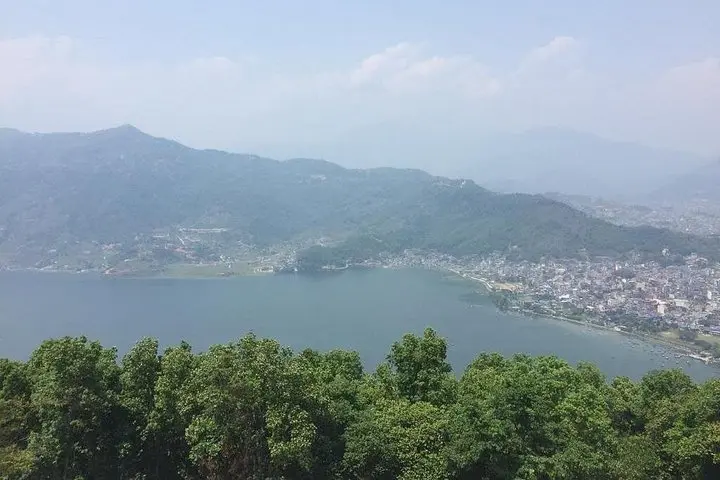
The city’s geography explains a lot: tucked on the leeward side of the Annapurna massif, Pokhara sits low (about 820 m) beside Phewa Lake while higher ridgelines collect monsoon water that feeds waterfalls and caves. Local culture is a mix of Newari, Gurung and Magar influences, and modern Lakeside is a traveler-focused stretch where teahouses and guide offices line the waterfront.
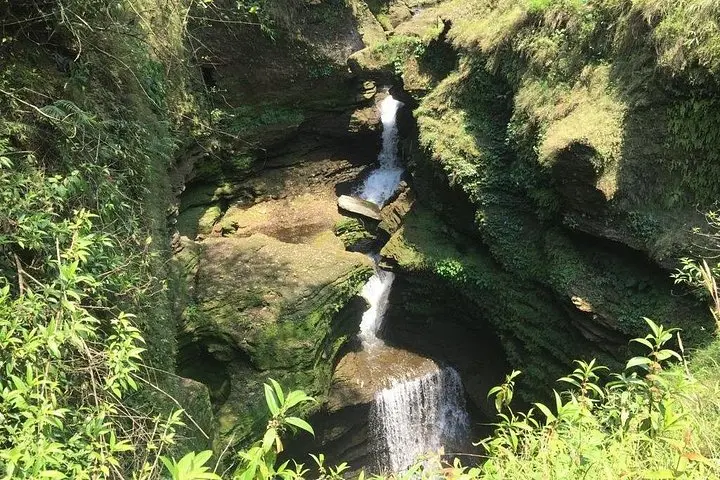
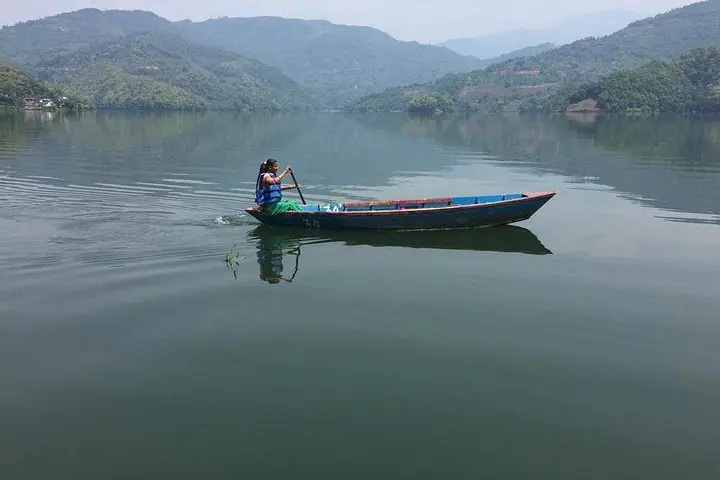
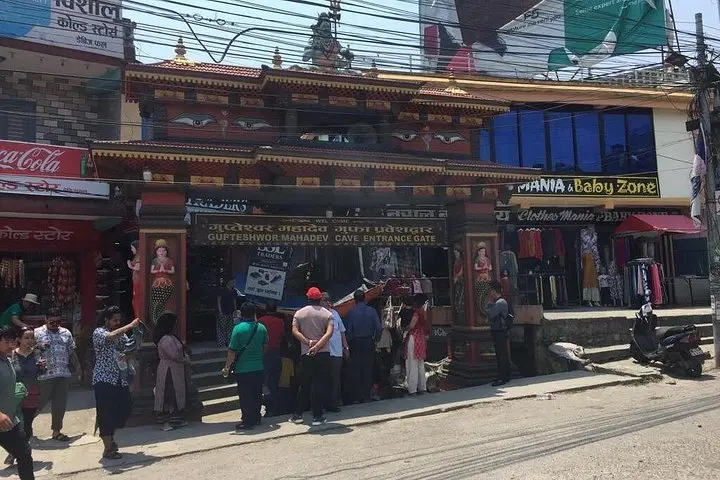
Over three days you’ll trade Kathmandu traffic for a 6–8 hour scenic bus ride along terraced valleys, then switch to short walks to see Davis Falls’ subterranean plunge, Gupteshwor Cave’s echoing chambers, and the white-domed Peace Pagoda clinging to its hill. An hour on a rowing boat across Phewa lets the lake’s current suggest an easy rhythm; the International Mountain Museum adds context on Nepali mountaineering and local mountain communities.
Practical edge: book sunrise transport the night before, carry cash in NPR for smaller vendors, and pack layers—mornings are chilly, afternoons can be warm. Footwear should handle wet steps near waterfalls and uneven cave paths. If you’re short on time, the shared tourist bus reduces cost but expect stops; a private car adds flexibility. This itinerary is approachable for most travelers and offers a compact taste of the Annapurna foothills’ scenery and culture.
Frequently asked questions
Expect a scenic drive of about 6–8 hours by tourist bus depending on traffic and stops; roads are winding through river valleys.
No—visibility depends on weather and seasonal haze; autumn and spring offer the best chances for clear views of Annapurna.
The itinerary notes wheelchair-accessible options for transport and some sites, but caves and steep viewpoints may not be fully accessible—check specifics when booking.
Not strictly—many spots are easy to reach independently, but a local guide adds cultural context and smoother logistics for short trips.
About This Experience
Couch Adventure Nepal (CAN) operates guided outdoor trips and adventures with an emphasis on safety, stewardship, and memorable experiences.
Adventure tips
Recommended gear
- Sturdy walking shoes: Offers traction for wet cave paths and uneven steps around falls and viewpoints.
- Light down or fleece: Warm layer for pre-dawn Sarangkot views and cool evenings by the lake.
- Reusable water bottle with filter or bottled water: Maintain hydration—tap water isn’t recommended for visitors.
- Small daypack: Carries layers, camera, snacks and any purchases while you explore Lakeside and short trails.
Photos of the experience
Related adventures & guides
Read the full experience
Morning light first finds Pokhara’s lakeside like a slow breath—silver glass, a few rowboats carving mirrored trails, and the Annapurna flanks sharpening into a pale silhouette. A 5:30 a.m. pickup from Lakeside moves you uphill toward Sarangkot for sunrise; the range rewards early risers with a layered horizon and crisp mountain air.
Morning light first finds Pokhara’s lakeside like a slow breath—silver glass, a few rowboats carving mirrored trails, and the Annapurna flanks sharpening into a pale silhouette. A 5:30 a.m. pickup from Lakeside moves you uphill toward Sarangkot for sunrise; the range rewards early risers with a layered horizon and crisp mountain air.
The city’s geography explains a lot: tucked on the leeward side of the Annapurna massif, Pokhara sits low (about 820 m) beside Phewa Lake while higher ridgelines collect monsoon water that feeds waterfalls and caves. Local culture is a mix of Newari, Gurung and Magar influences, and modern Lakeside is a traveler-focused stretch where teahouses and guide offices line the waterfront.
Over three days you’ll trade Kathmandu traffic for a 6–8 hour scenic bus ride along terraced valleys, then switch to short walks to see Davis Falls’ subterranean plunge, Gupteshwor Cave’s echoing chambers, and the white-domed Peace Pagoda clinging to its hill. An hour on a rowing boat across Phewa lets the lake’s current suggest an easy rhythm; the International Mountain Museum adds context on Nepali mountaineering and local mountain communities.
Practical edge: book sunrise transport the night before, carry cash in NPR for smaller vendors, and pack layers—mornings are chilly, afternoons can be warm. Footwear should handle wet steps near waterfalls and uneven cave paths. If you’re short on time, the shared tourist bus reduces cost but expect stops; a private car adds flexibility. This itinerary is approachable for most travelers and offers a compact taste of the Annapurna foothills’ scenery and culture.
Make a day of it nearby.
Verified experiences and guided adventures in the surrounding area.