THE ADVENTURE COLLECTIVE® · Independent discovery and booking for outdoor travel

Move from the pulse of Cairo to the austere granite of Mount Sinai on a 3-day all-inclusive pilgrimage. Visit Giza, Old Cairo’s early churches, then climb to the summit at dawn and see the Burning Bush at St. Catherine Monastery.
Move from the pulse of Cairo to the austere granite of Mount Sinai on a 3-day all-inclusive pilgrimage. Visit Giza, Old Cairo’s early churches, then climb to the summit at dawn and see the Burning Bush at St. Catherine Monastery.
You arrive to Cairo at dusk, city lights trembling on the Nile. Within a day the tour moves from layered urban history — pyramids and the Sphinx — into the raw granite slopes of Sinai, where the air thins and rock takes on an almost liturgical stillness. The climb to Jabal Musa (Mount Sinai) is the centerpiece: a steep, stony ascent crowned by sunrise that turns jagged ridges to gold.
Verified experiences and guided adventures in the surrounding area.
Operated by Pharaoh's voyage Egypt · Cairo, Cairo Governorate
You arrive to Cairo at dusk, city lights trembling on the Nile. Within a day the tour moves from layered urban history — pyramids and the Sphinx — into the raw granite slopes of Sinai, where the air thins and rock takes on an almost liturgical stillness. The climb to Jabal Musa (Mount Sinai) is the centerpiece: a steep, stony ascent crowned by sunrise that turns jagged ridges to gold.
The route traces biblical places tied to the Exodus. In Cairo the Hanging Church and the Church of the Holy Family speak to early Christian strains in Egypt, while the monastery at St. Catherine, built by Emperor Justinian in the 6th century, holds manuscripts and the reputed Burning Bush. Geologically Sinai is a massif of Precambrian granite; trails are rocky, with the classic stone stairway (the Steps of Repentance) leading to the summit. Culturally, expect Bedouin hospitality in villages and restrained religious reverence at sacred sites.
Practically: the tour is a compact mix of long drives (Cairo to St. Catherine ~6–7 hours by AC vehicle), two nights’ lodging (4-star in Cairo, guesthouse near the monastery), and a summit push—about 2–3 km of steep stone steps with ~700–800 m of elevation gain from the monastery; allow 2–3 hours ascending, 1.5–2 hours down. Sunrise climbs are cold; bring layers, headlamp, water and steady footwear. Entrance fees and guiding are included; passport and comfortable walking pace make the experience smoother. The final day routes toward the Red Sea and Taba border, closing a pilgrimage that is equal parts history, geology and personal pace.
moderate.
72 hours (3 days).
Most travelers can join, but summit ascent requires steady aerobic fitness and the ability to climb stone steps for 2–3 hours.
The main ascent from the monastery is moderate: roughly 2–3 km of steep stone steps with ~700–800 m of elevation gain; allow 2–3 hours up and 1.5–2 down.
Yes — the tour includes entrance fees, guiding fees, select meals, transfers and accommodation as listed in the itinerary.
The overall tour is listed as suitable for all fitness levels, but the summit climb may be too demanding for young children or those with limited mobility; alternatives include shorter walks or transport to lookout points.
Carry your passport (required for border transfers), check visa requirements for Egypt, and bring modest clothing for religious sites; local currency (EGP) is useful for tips and small purchases.
St. Catherine’s Monastery was established in the 6th century under Byzantine patronage and sits at the foot of Jabal Musa, a site long associated with the biblical Exodus.
Water is scarce and fragile desert habitats surround the monastery; stick to trails, take all waste out, and support local guides and conservation-minded operators.
Pharaoh's voyage Egypt operates guided outdoor trips and adventures with an emphasis on safety, stewardship, and memorable experiences.
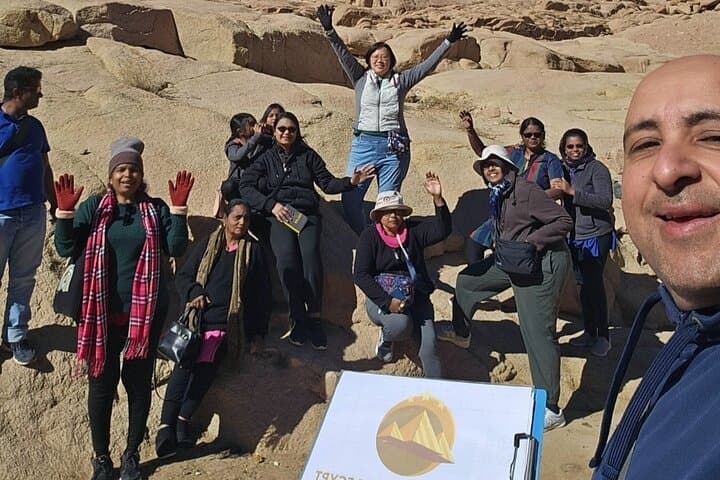
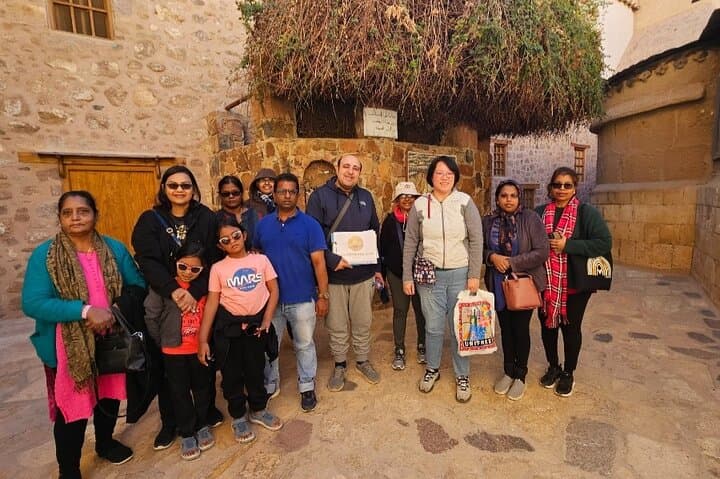
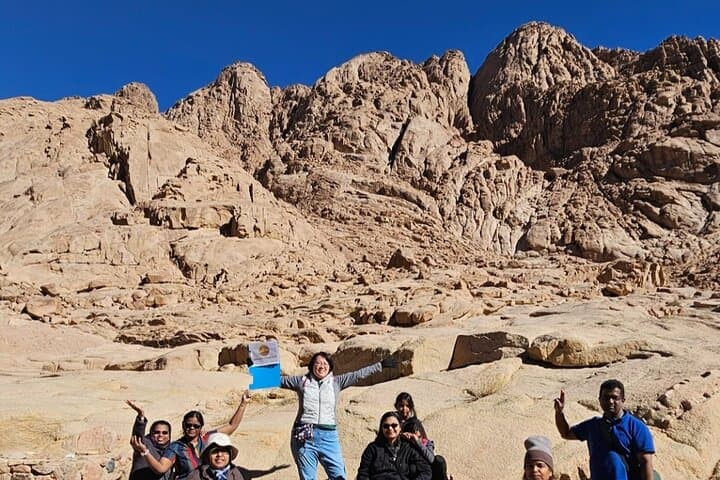
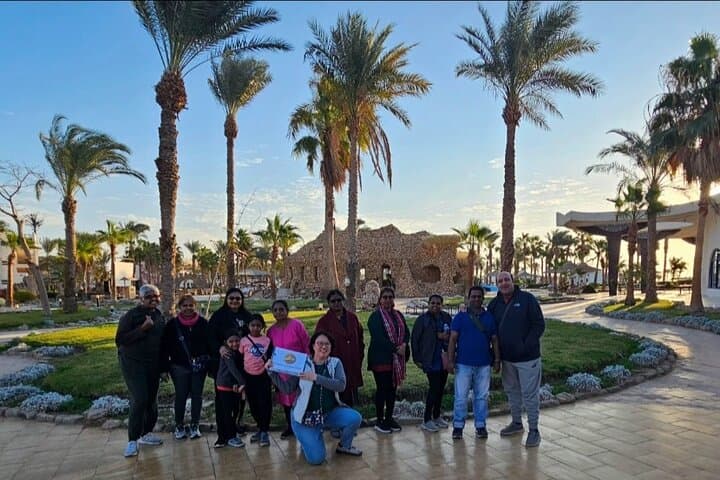
You arrive to Cairo at dusk, city lights trembling on the Nile. Within a day the tour moves from layered urban history — pyramids and the Sphinx — into the raw granite slopes of Sinai, where the air thins and rock takes on an almost liturgical stillness. The climb to Jabal Musa (Mount Sinai) is the centerpiece: a steep, stony ascent crowned by sunrise that turns jagged ridges to gold.
You arrive to Cairo at dusk, city lights trembling on the Nile. Within a day the tour moves from layered urban history — pyramids and the Sphinx — into the raw granite slopes of Sinai, where the air thins and rock takes on an almost liturgical stillness. The climb to Jabal Musa (Mount Sinai) is the centerpiece: a steep, stony ascent crowned by sunrise that turns jagged ridges to gold.
The route traces biblical places tied to the Exodus. In Cairo the Hanging Church and the Church of the Holy Family speak to early Christian strains in Egypt, while the monastery at St. Catherine, built by Emperor Justinian in the 6th century, holds manuscripts and the reputed Burning Bush. Geologically Sinai is a massif of Precambrian granite; trails are rocky, with the classic stone stairway (the Steps of Repentance) leading to the summit. Culturally, expect Bedouin hospitality in villages and restrained religious reverence at sacred sites.
Practically: the tour is a compact mix of long drives (Cairo to St. Catherine ~6–7 hours by AC vehicle), two nights’ lodging (4-star in Cairo, guesthouse near the monastery), and a summit push—about 2–3 km of steep stone steps with ~700–800 m of elevation gain from the monastery; allow 2–3 hours ascending, 1.5–2 hours down. Sunrise climbs are cold; bring layers, headlamp, water and steady footwear. Entrance fees and guiding are included; passport and comfortable walking pace make the experience smoother. The final day routes toward the Red Sea and Taba border, closing a pilgrimage that is equal parts history, geology and personal pace.