THE ADVENTURE COLLECTIVE® · Independent discovery and booking for outdoor travel

Three days, three landscapes: walk into Petra’s Siq at dawn, watch Wadi Rum’s sandstone glow at sunset, and cool off in the Red Sea at Aqaba. This private tour compresses Jordan’s highlights into an accessible loop with private transport and an overnight desert camp.
Three days, three landscapes: walk into Petra’s Siq at dawn, watch Wadi Rum’s sandstone glow at sunset, and cool off in the Red Sea at Aqaba. This private tour compresses Jordan’s highlights into an accessible loop with private transport and an overnight desert camp.
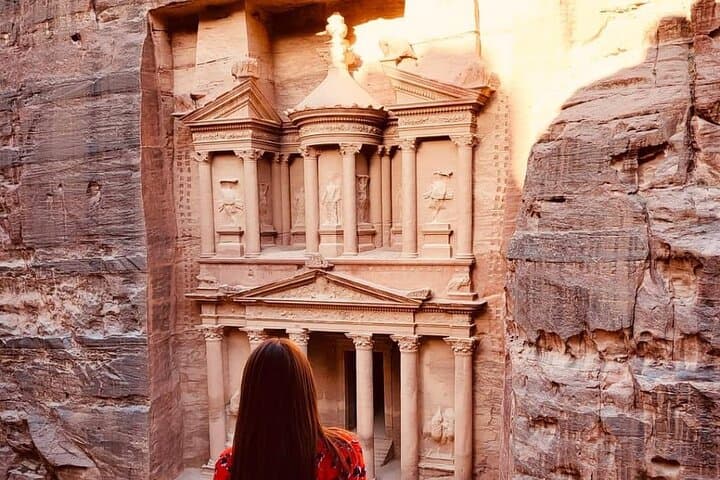
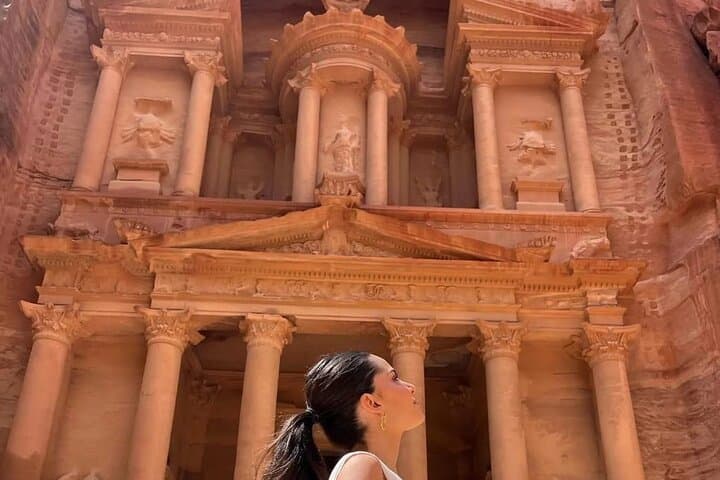
You arrive in the low light before dawn, the highway slicing south from Amman as the city’s glow falls behind you. By the time the minivan eases into Wadi Musa the sun is already carving the sandstone cliffs—the siq’s shadowed throat a cool, obliging entrance to the rose-red face of Petra. Walking the narrow gorge toward Al-Khazneh, the Treasury’s carved façade opens like a stage curtain; the stone seems to breathe heat and history.
Verified experiences and guided adventures in the surrounding area.
Operated by Tour Experts · Wadi Musa, Ma'an Governorate
You arrive in the low light before dawn, the highway slicing south from Amman as the city’s glow falls behind you. By the time the minivan eases into Wadi Musa the sun is already carving the sandstone cliffs—the siq’s shadowed throat a cool, obliging entrance to the rose-red face of Petra. Walking the narrow gorge toward Al-Khazneh, the Treasury’s carved façade opens like a stage curtain; the stone seems to breathe heat and history.
This three-day circuit stitches Jordan’s most iconic landscapes: Petra’s carved Nabataean capital, the sculpted moonscape of Wadi Rum, and the blue, balmy coast of Aqaba. Petra sits at roughly 800–1,000 meters elevation; its Siq is about 1.2 km of winding canyon that funnels you to a street of monumental tombs, a Roman theater, and terraces once irrigated by Nabataean ingenuity. Wadi Rum’s geology is simpler but no less dramatic—towering sandstone and granite outcrops puncture dunes, and Bedouin trails thread between natural arches and narrow canyons.
Culturally, the trip is braided with Bedouin hospitality and Nabataean legacy. Wadi Rum still hosts families who guide vehicle safaris and run desert camps where dinners are shared beneath a broad, slow sky; Petra’s modern village of Wadi Musa grew up around tourism and offers a clear view into contemporary Jordanian life. Aqaba finishes the sequence with a sharp contrast—sea level, salt air and the Red Sea’s coral reefs.
Practically: plan for lots of walking on uneven, sometimes sandy surfaces. Distances between hubs are measured in hours—roughly three hours Amman to Petra, an hour-and-a-half Petra to Wadi Rum, and about two hours from Wadi Rum to Aqaba—so pack for flexibility. Temperatures swing: hot days in summer, chilly desert nights year-round. Entrance fees to Petra are typically not included in basic tour rates; check the Jordan Pass if you’ll arrive by air and want to prepay admission.
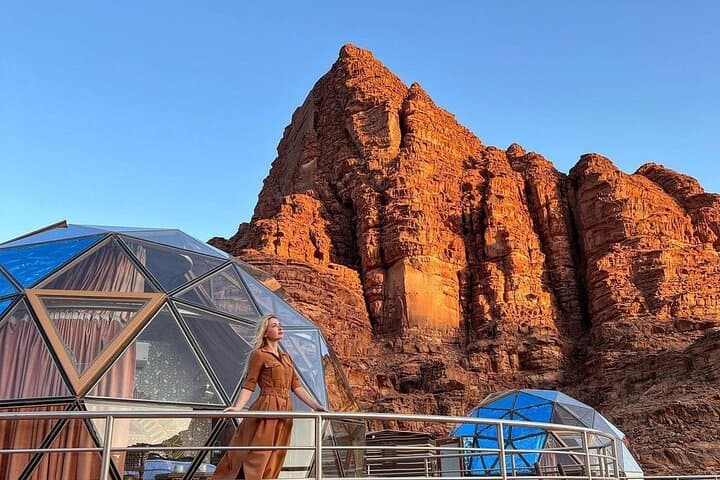
This private itinerary offers hotel options in Petra (3–5*), and an overnight in a Wadi Rum tent with a 4x4 jeep tour the following morning. Practical advice: start early at Petra to beat the heat and the crowds, carry at least 2–3 liters of water per person for desert legs, wear grippy shoes for sandstone surfaces, and have local currency (JOD) for small purchases and tips. Respect private Bedouin spaces and stick to marked routes—this fragile desert recovers slowly.
If you want a compact but complete taste of Jordan—history, desert and sea—this three-day cycle delivers intensity without rush, trading long drives for concentrated time in places that ask you to slow your pace and look closely.
moderate.
3 days.
Good base fitness for multiple hours of walking on uneven surfaces and short climbs; comfortable mobility for multi-day travel recommended
Entrance fees are generally not included; many visitors purchase the Jordan Pass in advance to cover Petra admission and visa fees—confirm with your operator.
A licensed guide is not mandatory but recommended for historical context and efficient routing—this private tour provides driver/guide services per the itinerary.
Options range from VIP or luxury martian tents to simpler camp tents depending on your booking choice; most provide mattresses, blankets and shared or private sanitary facilities.
The itinerary is suitable for a wide range of ages; expect moderate walking—travelers with limited mobility should advise the operator and choose appropriate accommodations.
Yes—Aqaba is on the Red Sea and offers beaches and snorkeling; bring swimwear and reef-safe sunscreen if you plan water activities.
The Jordanian dinar (JOD) is standard; carry small bills for tips and small purchases—tipping guides and drivers is customary for good service.
Petra was the Nabataean capital and a vital caravan hub; Wadi Rum has long been inhabited by Bedouin and was a staging ground during the Arab Revolt.
Wadi Rum and Petra are fragile landscapes—stay on designated tracks, avoid removing stones or artifacts, and use refillable water to reduce plastic waste.
Tour Experts operates guided outdoor trips and adventures with an emphasis on safety, stewardship, and memorable experiences.
You arrive in the low light before dawn, the highway slicing south from Amman as the city’s glow falls behind you. By the time the minivan eases into Wadi Musa the sun is already carving the sandstone cliffs—the siq’s shadowed throat a cool, obliging entrance to the rose-red face of Petra. Walking the narrow gorge toward Al-Khazneh, the Treasury’s carved façade opens like a stage curtain; the stone seems to breathe heat and history.
You arrive in the low light before dawn, the highway slicing south from Amman as the city’s glow falls behind you. By the time the minivan eases into Wadi Musa the sun is already carving the sandstone cliffs—the siq’s shadowed throat a cool, obliging entrance to the rose-red face of Petra. Walking the narrow gorge toward Al-Khazneh, the Treasury’s carved façade opens like a stage curtain; the stone seems to breathe heat and history.
This three-day circuit stitches Jordan’s most iconic landscapes: Petra’s carved Nabataean capital, the sculpted moonscape of Wadi Rum, and the blue, balmy coast of Aqaba. Petra sits at roughly 800–1,000 meters elevation; its Siq is about 1.2 km of winding canyon that funnels you to a street of monumental tombs, a Roman theater, and terraces once irrigated by Nabataean ingenuity. Wadi Rum’s geology is simpler but no less dramatic—towering sandstone and granite outcrops puncture dunes, and Bedouin trails thread between natural arches and narrow canyons.
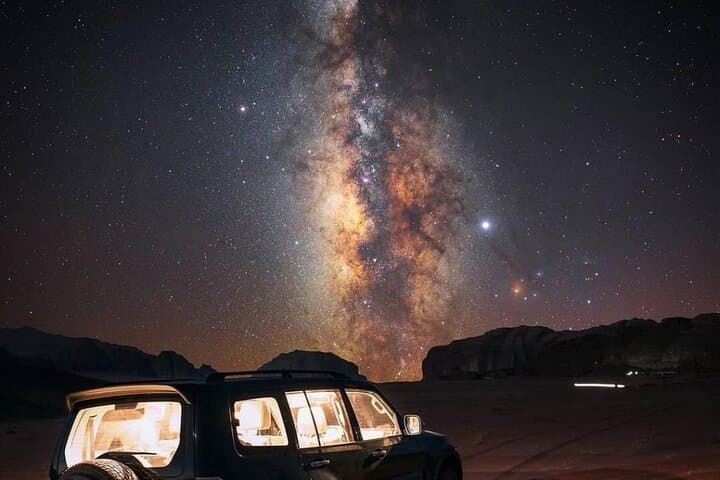
Culturally, the trip is braided with Bedouin hospitality and Nabataean legacy. Wadi Rum still hosts families who guide vehicle safaris and run desert camps where dinners are shared beneath a broad, slow sky; Petra’s modern village of Wadi Musa grew up around tourism and offers a clear view into contemporary Jordanian life. Aqaba finishes the sequence with a sharp contrast—sea level, salt air and the Red Sea’s coral reefs.
Practically: plan for lots of walking on uneven, sometimes sandy surfaces. Distances between hubs are measured in hours—roughly three hours Amman to Petra, an hour-and-a-half Petra to Wadi Rum, and about two hours from Wadi Rum to Aqaba—so pack for flexibility. Temperatures swing: hot days in summer, chilly desert nights year-round. Entrance fees to Petra are typically not included in basic tour rates; check the Jordan Pass if you’ll arrive by air and want to prepay admission.
This private itinerary offers hotel options in Petra (3–5*), and an overnight in a Wadi Rum tent with a 4x4 jeep tour the following morning. Practical advice: start early at Petra to beat the heat and the crowds, carry at least 2–3 liters of water per person for desert legs, wear grippy shoes for sandstone surfaces, and have local currency (JOD) for small purchases and tips. Respect private Bedouin spaces and stick to marked routes—this fragile desert recovers slowly.
If you want a compact but complete taste of Jordan—history, desert and sea—this three-day cycle delivers intensity without rush, trading long drives for concentrated time in places that ask you to slow your pace and look closely.