THE ADVENTURE COLLECTIVE® · Independent discovery and booking for outdoor travel

See Petra’s rose-red facades at first light and sleep beneath Wadi Rum’s immense desert sky on a private 3-day trip from Tel Aviv. This guided itinerary pairs Nabataean ruins with Bedouin hospitality and practical transport across the Jordan border.
See Petra’s rose-red facades at first light and sleep beneath Wadi Rum’s immense desert sky on a private 3-day trip from Tel Aviv. This guided itinerary pairs Nabataean ruins with Bedouin hospitality and practical transport across the Jordan border.
The van hums down the Allenby Bridge at first light and the modern bustle of border crossings drops away, replaced by the slow geometry of sandstone ridges. By late afternoon the road opens onto Wadi Musa and the city leans into the rock like an introduction: this is where Petra waits. Over three days travelers move from Tel Aviv's diplomatic grid to the Nabataean passageways carved by time, then out under Wadi Rum's enormous sky where dunes and cliffs claim the horizon.
Verified experiences and guided adventures in the surrounding area.
Operated by Tour Experts · Wadi Musa, Ma'an Governorate
The van hums down the Allenby Bridge at first light and the modern bustle of border crossings drops away, replaced by the slow geometry of sandstone ridges. By late afternoon the road opens onto Wadi Musa and the city leans into the rock like an introduction: this is where Petra waits. Over three days travelers move from Tel Aviv's diplomatic grid to the Nabataean passageways carved by time, then out under Wadi Rum's enormous sky where dunes and cliffs claim the horizon.
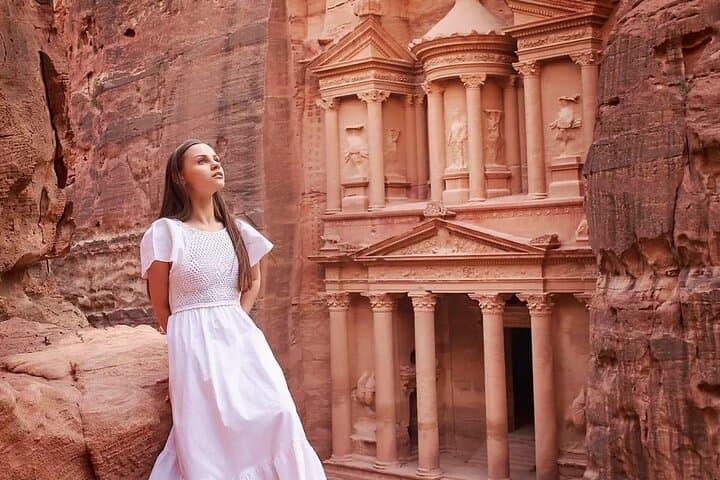
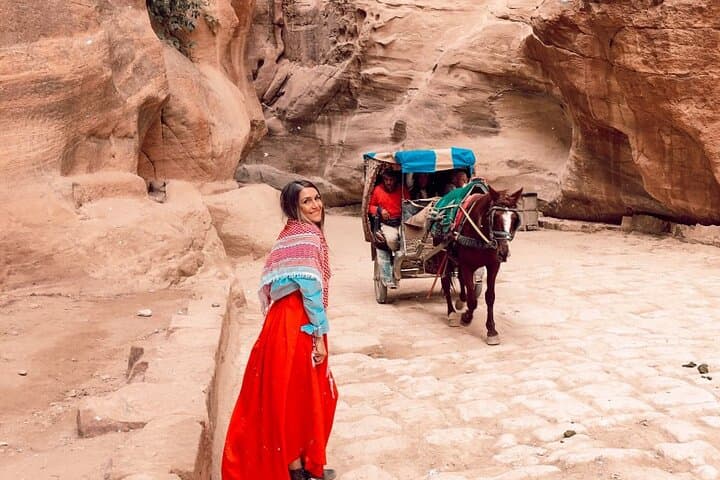
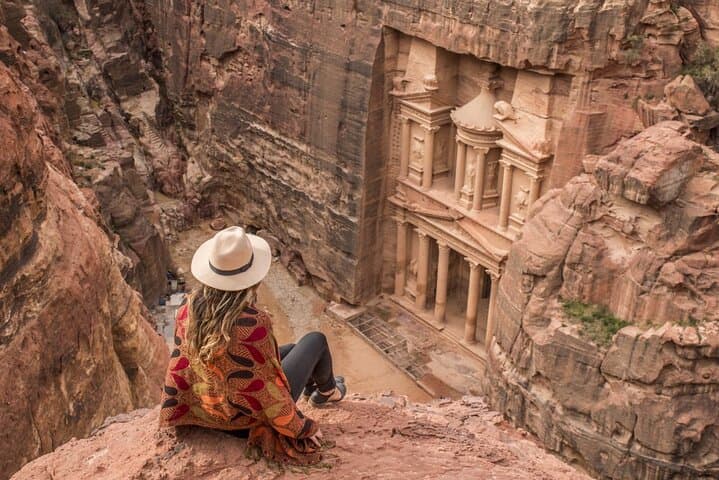
Petra and Wadi Rum are more than photo stops. Petra, the Rose-Red City, was the heart of a trading empire that bridged Arabia, Egypt and the Mediterranean. The Siq — a tight, wind-polished slot canyon — insists on silence; it funnels daylight so the Treasury appears with theatrical timing. Wadi Rum, by contrast, is geological motion in slow motion: wind-sculpted sandstone, ancient fault lines and tafoni windows that frame the desert. Bedouin tribes have lived and navigated this terrain for centuries; their tents and stories thread through both places and modern tourism. Lawrence of Arabia's footprints are part myth, part signpost for Wadi Rum’s 20th-century fame.
Geology explains the drama: Petra's façades are cut from Jurassic sandstone with iron-rich layers that take on red and pink over the course of a day. Wadi Rum's rocks are older, eroded into arches, mushroom caps and sheer faces that throw long shadows after noon. Culture here is tactile — merchants still sell olive oil soap and handwoven rugs; camps serve mansaf and tea, where hospitality is practical and direct.
Plan for walking: Petra demands several hours of on-foot exploration across uneven flagstones and occasional steep climbs (the Monastery requires a longer ascent). Wadi Rum’s landscape is best experienced by 4x4 and short walks; evening time is for a guided sunset drive and overnight in a Bedouin-style tent.
Practicalities: carry 2–3 liters of water per day, sun protection and sturdy walking shoes with good grip. Mornings are best for Petra — arrive at opening to avoid heat and crowds — and late afternoon in Wadi Rum for the desert’s warm light and cooler air. If you have limited mobility, ask for a private guide and the tour’s accessible options; roads and camps are adaptable but some Petra trails remain steep.
Logistics: this private tour includes private transport, two breakfasts and dinners, bottled water, and hotel or luxury tent accommodation depending on the option chosen. Border formalities between Israel and Jordan are handled with guidance from the operator, but bring passports, visas and the patience border crossing requires. In short: expect two worlds in three days — one carved into living stone, the other written across the sky — both demanding a slow pace and rewarding careful attention.
moderate.
3 days.
Suitable for travelers with basic fitness: multiple hours of walking, some steep sections and uneven terrain.
Visa requirements vary by nationality; check entry rules for Jordan and coordinate border procedures with the operator before travel.
Some areas are wheelchair accessible, and the operator can arrange vehicles and guided routes, but many archaeological trails have steps and uneven surfaces.
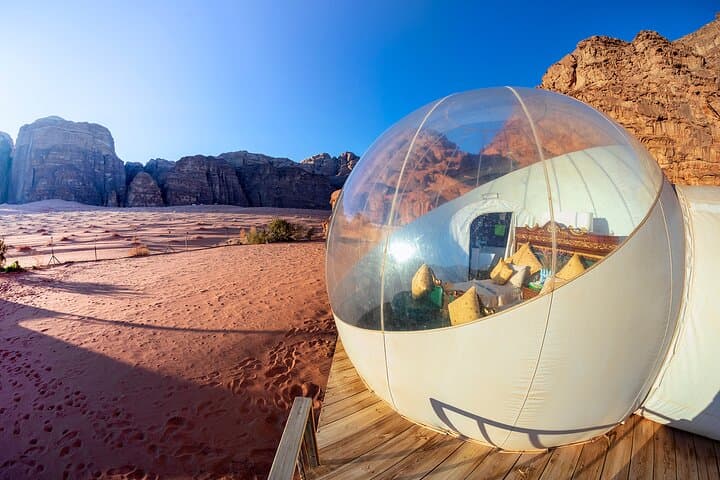
Options range from 4–5 star hotels in Petra to VIP or luxury Martian tents in Wadi Rum depending on the booking option chosen.
Expect roughly 3–4 hours from the border to Petra, and about 1.5–2 hours between Petra and Wadi Rum; return drives to the Allenby/King Hussein Bridge take about 4 hours.
The tour includes two breakfasts and dinners, with bottled water provided; other meals can be arranged or paid locally.
Yes — the itinerary is family-friendly and operators provide infant seats and stroller-accessible options; confirm age and special requirements at booking.
Petra was the Nabataean capital and a hub on Incense Route trade networks; Wadi Rum has long been home to Bedouin tribes and later gained fame through Lawrence of Arabia.
Both sites face pressure from foot traffic and water scarcity; stick to marked paths, minimize plastic waste and support local conservation-minded guides.
Tour Experts operates guided outdoor trips and adventures with an emphasis on safety, stewardship, and memorable experiences.
The van hums down the Allenby Bridge at first light and the modern bustle of border crossings drops away, replaced by the slow geometry of sandstone ridges. By late afternoon the road opens onto Wadi Musa and the city leans into the rock like an introduction: this is where Petra waits. Over three days travelers move from Tel Aviv's diplomatic grid to the Nabataean passageways carved by time, then out under Wadi Rum's enormous sky where dunes and cliffs claim the horizon.
The van hums down the Allenby Bridge at first light and the modern bustle of border crossings drops away, replaced by the slow geometry of sandstone ridges. By late afternoon the road opens onto Wadi Musa and the city leans into the rock like an introduction: this is where Petra waits. Over three days travelers move from Tel Aviv's diplomatic grid to the Nabataean passageways carved by time, then out under Wadi Rum's enormous sky where dunes and cliffs claim the horizon.
Petra and Wadi Rum are more than photo stops. Petra, the Rose-Red City, was the heart of a trading empire that bridged Arabia, Egypt and the Mediterranean. The Siq — a tight, wind-polished slot canyon — insists on silence; it funnels daylight so the Treasury appears with theatrical timing. Wadi Rum, by contrast, is geological motion in slow motion: wind-sculpted sandstone, ancient fault lines and tafoni windows that frame the desert. Bedouin tribes have lived and navigated this terrain for centuries; their tents and stories thread through both places and modern tourism. Lawrence of Arabia's footprints are part myth, part signpost for Wadi Rum’s 20th-century fame.
Geology explains the drama: Petra's façades are cut from Jurassic sandstone with iron-rich layers that take on red and pink over the course of a day. Wadi Rum's rocks are older, eroded into arches, mushroom caps and sheer faces that throw long shadows after noon. Culture here is tactile — merchants still sell olive oil soap and handwoven rugs; camps serve mansaf and tea, where hospitality is practical and direct.
Plan for walking: Petra demands several hours of on-foot exploration across uneven flagstones and occasional steep climbs (the Monastery requires a longer ascent). Wadi Rum’s landscape is best experienced by 4x4 and short walks; evening time is for a guided sunset drive and overnight in a Bedouin-style tent.
Practicalities: carry 2–3 liters of water per day, sun protection and sturdy walking shoes with good grip. Mornings are best for Petra — arrive at opening to avoid heat and crowds — and late afternoon in Wadi Rum for the desert’s warm light and cooler air. If you have limited mobility, ask for a private guide and the tour’s accessible options; roads and camps are adaptable but some Petra trails remain steep.
Logistics: this private tour includes private transport, two breakfasts and dinners, bottled water, and hotel or luxury tent accommodation depending on the option chosen. Border formalities between Israel and Jordan are handled with guidance from the operator, but bring passports, visas and the patience border crossing requires. In short: expect two worlds in three days — one carved into living stone, the other written across the sky — both demanding a slow pace and rewarding careful attention.