THE ADVENTURE COLLECTIVE® · Independent discovery and booking for outdoor travel

Drive the spine of the Peloponnese on a private three-day circuit from Athens—Corinth’s canal, Byzantine Mystras, sea-walled Monemvasia, the theater of Epidaurus and Mycenae’s ancient gates. Expect short hikes at ruins, long coastal drives, and rich historical layers at every stop.
Drive the spine of the Peloponnese on a private three-day circuit from Athens—Corinth’s canal, Byzantine Mystras, sea-walled Monemvasia, the theater of Epidaurus and Mycenae’s ancient gates. Expect short hikes at ruins, long coastal drives, and rich historical layers at every stop.
A road unwinds away from Athens and the Aegean light slides across limestone ridges as the private vehicle carries travelers into the southern Peloponnese. Salt-scented air gives way to mountain pines and the narrow alleys of fortified towns; by the second day the stone streets of Monemvasia press close, the sea daring you to pause at a tavern door.
Verified experiences and guided adventures in the surrounding area.
Operated by Olive Sea Travel · Athens, Attica
A road unwinds away from Athens and the Aegean light slides across limestone ridges as the private vehicle carries travelers into the southern Peloponnese. Salt-scented air gives way to mountain pines and the narrow alleys of fortified towns; by the second day the stone streets of Monemvasia press close, the sea daring you to pause at a tavern door.
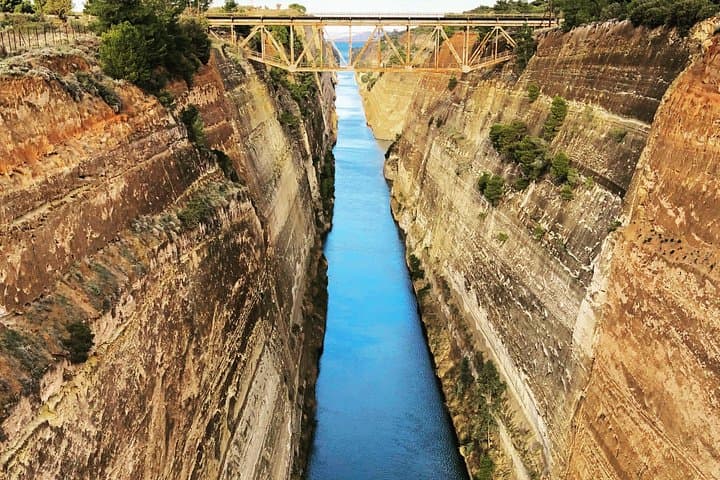
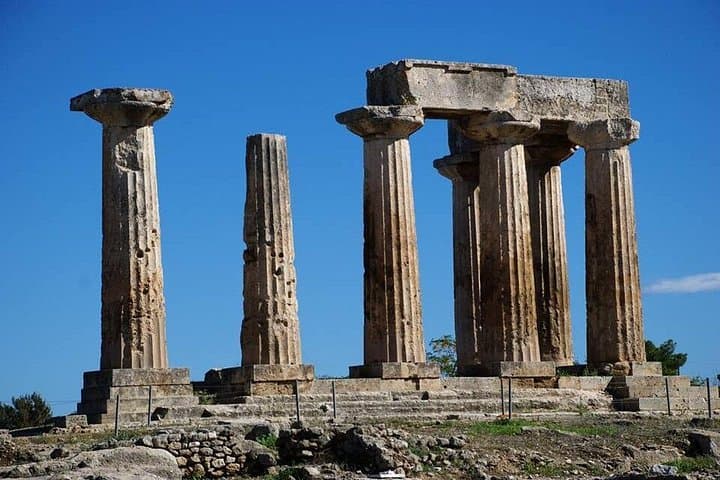
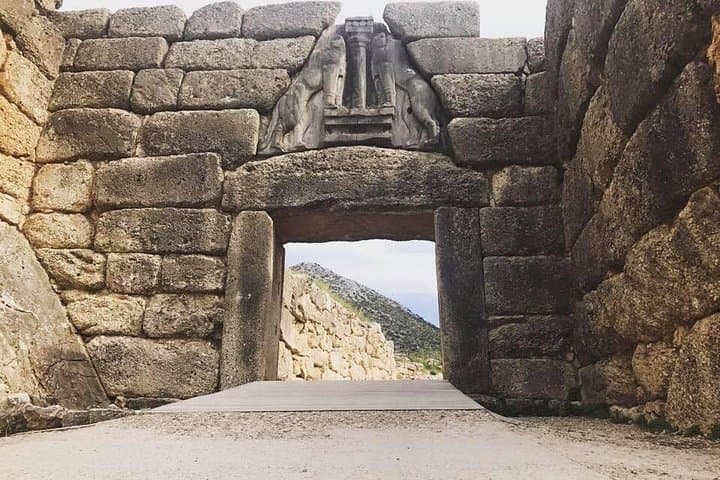
This three-day loop stitches together eras: prehistoric Mycenae’s cyclopean walls, Roman-era Epidaurus with acoustics that still make a whisper travel like a shout, Byzantine Mystras clinging to a cliff, and classical Spartan plains where military discipline once shaped a culture. Geology here is visible—karst limestone plates, coastal cliffs, and the deep-cut Corinth Canal, cut in 1893 to divide the Peloponnese from mainland Greece and speed maritime trade.
Local life remains tangible: olive oil museums, small monasteries where monks maintain centuries-old rituals, and fishing harbors by Nafplio exhibiting Venetian and Ottoman architectural layers. Conservation efforts focus on protecting archaeological sites from erosion and uncontrolled tourism; visitors are asked to stay on marked paths and avoid touching fragile masonry.
Practical guidance: expect long drives with short, focused walks at each site—bring sturdy shoes for uneven ruins, a sun hat, water, and layers for windy hilltops. Early starts avoid midday heat in summer and give cleaner light for photos. Guides provided are drivers with deep historical knowledge, but licensed onsite guides must be booked separately if you want detailed archaeological interpretation. This tour is best for travelers who want to move beyond Athens and trace Greece’s long human story while keeping the pace relaxed and vehicle-supported.
moderate.
3 days.
Suitable for travelers who can walk 1–3 miles intermittently on uneven surfaces and climb stairs; no extended trekking required.
No—drivers provide local and historical context but are not licensed to guide inside museums or protected sites; hire a licensed guide separately if you want detailed interpretations.
Short to moderate walks at each site, often on uneven stone and steps; the tour is vehicle-supported with periods of driving between attractions.
Yes—pickup and drop-off from hotels, Airbnbs or ports are included per the tour listing; confirm your pickup point at booking.
Admissions are typically not included—plan for entrance fees at certain archaeological sites and museums unless otherwise specified.
The tour threads key eras: Mycenae represents Late Bronze Age civilization, Epidaurus the classical cult of healing, and Mystras a preserved Byzantine citadel reflecting medieval Greek life.
Sites are sensitive to foot traffic and erosion—stick to marked trails, avoid climbing on ruins, and support local conservation by using licensed guides and respecting visiting guidelines.
Olive Sea Travel operates guided outdoor trips and adventures with an emphasis on safety, stewardship, and memorable experiences.
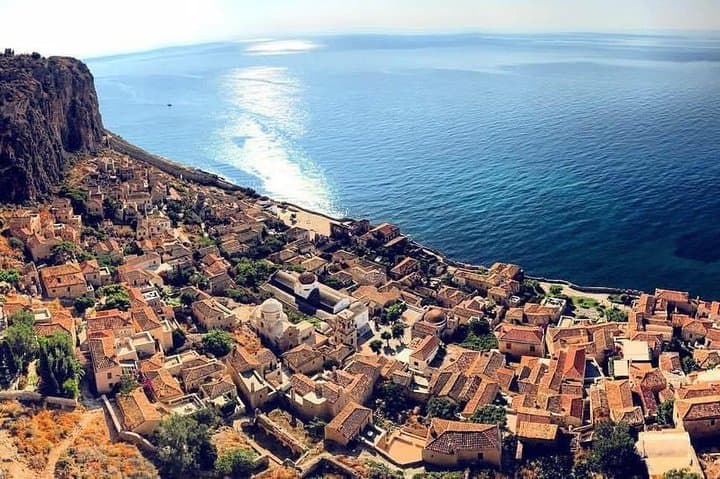
A road unwinds away from Athens and the Aegean light slides across limestone ridges as the private vehicle carries travelers into the southern Peloponnese. Salt-scented air gives way to mountain pines and the narrow alleys of fortified towns; by the second day the stone streets of Monemvasia press close, the sea daring you to pause at a tavern door.
A road unwinds away from Athens and the Aegean light slides across limestone ridges as the private vehicle carries travelers into the southern Peloponnese. Salt-scented air gives way to mountain pines and the narrow alleys of fortified towns; by the second day the stone streets of Monemvasia press close, the sea daring you to pause at a tavern door.
This three-day loop stitches together eras: prehistoric Mycenae’s cyclopean walls, Roman-era Epidaurus with acoustics that still make a whisper travel like a shout, Byzantine Mystras clinging to a cliff, and classical Spartan plains where military discipline once shaped a culture. Geology here is visible—karst limestone plates, coastal cliffs, and the deep-cut Corinth Canal, cut in 1893 to divide the Peloponnese from mainland Greece and speed maritime trade.
Local life remains tangible: olive oil museums, small monasteries where monks maintain centuries-old rituals, and fishing harbors by Nafplio exhibiting Venetian and Ottoman architectural layers. Conservation efforts focus on protecting archaeological sites from erosion and uncontrolled tourism; visitors are asked to stay on marked paths and avoid touching fragile masonry.
Practical guidance: expect long drives with short, focused walks at each site—bring sturdy shoes for uneven ruins, a sun hat, water, and layers for windy hilltops. Early starts avoid midday heat in summer and give cleaner light for photos. Guides provided are drivers with deep historical knowledge, but licensed onsite guides must be booked separately if you want detailed archaeological interpretation. This tour is best for travelers who want to move beyond Athens and trace Greece’s long human story while keeping the pace relaxed and vehicle-supported.