THE ADVENTURE COLLECTIVE® · Independent discovery and booking for outdoor travel

Spend three days on the Panchase ridge for sweeping Annapurna views and easy village trekking. This soft-hike from Pokhara combines short daily walks, lodge stays, and reliable panoramic viewpoints ideal for first-time trekkers.
Spend three days on the Panchase ridge for sweeping Annapurna views and easy village trekking. This soft-hike from Pokhara combines short daily walks, lodge stays, and reliable panoramic viewpoints ideal for first-time trekkers.
A cool mountain dawn breaks over the rim of the Pokhara valley as you step onto the Panchase ridge. The trail rises through terraced farms and rhododendron forest; each bend opens a new angle on the Annapurna range and the distinctive silhouette of Machapuchare (Fishtail). By midday the valley below feels small, a patchwork of rice paddies and lakes, while distant glaciers hold their silent geometry.
Verified experiences and guided adventures in the surrounding area.
Operated by Adventure Vision Treks and Travels · Pokhara, Gandaki Province
A cool mountain dawn breaks over the rim of the Pokhara valley as you step onto the Panchase ridge. The trail rises through terraced farms and rhododendron forest; each bend opens a new angle on the Annapurna range and the distinctive silhouette of Machapuchare (Fishtail). By midday the valley below feels small, a patchwork of rice paddies and lakes, while distant glaciers hold their silent geometry.
Panchase sits on a limestone ridge that divides Pokhara valley from the Modi River basin. Locals have long used the trail for seasonal grazing and trade; tea houses and simple guesthouses now host trekkers on overnight stays. Geologically the ridge offers gentle slopes and compacted dirt tracks—no technical climbing required, but expect uneven sections and stone steps carved by centuries of foot traffic.
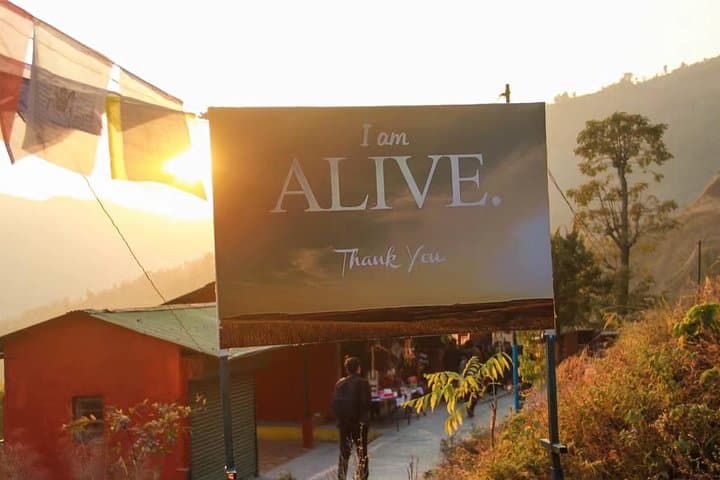
Culturally you’ll pass Gurung villages where stone houses and prayer flags mark a Himalayan rhythm of life. Guides often point out local shrines and explain agricultural cycles tied to monsoon rains. Wildflowers and rhododendron color the spring slopes; Himalayan birdlife and occasional langur sightings add texture to the walk.
Practical guidance: average daily hiking is 3–6 hours on trails that gain and lose several hundred meters; the highest point sits around 2,070 m. Bring layered clothing for cool mornings, a rain shell for sudden showers, and sturdy footwear for muddy or rocky steps. Water and snacks are available at lodges, but carry a refillable bottle. Plan the trek over three days from Pokhara to Panchase Bhanjyang, overnight in village lodges, and return via Naudanda—timed to give you sunrise or sunset views of the Annapurnas.
easy.
3 days (3–6 hours hiking per day).
Suitable for walkers with basic fitness who can manage steady uphill and downhill on unpaved trails.
This is a soft, lodge-to-lodge trek with manageable daily hours and no technical sections—good for beginners with basic fitness.
Trekking permits (TIMS) are included in many organized trips; a local guide is recommended for navigation and cultural context and is often provided.
Fall (Sept–Nov) and spring (Mar–May) offer the most stable skies and best mountain views; avoid monsoon for muddy trails.
Yes—teahouses provide simple private rooms, shared bathrooms, and home-cooked meals; expect rustic but comfortable hospitality.
Panchase has long been a local transit ridge used by hill communities for grazing and seasonal trade; recent years have seen small-scale trekking develop around village hospitality.
Stick to marked trails and avoid single-use plastics; local groups support reforestation and community-based tourism to protect slopes and water sources.
Adventure Vision Treks and Travels operates guided outdoor trips and adventures with an emphasis on safety, stewardship, and memorable experiences.
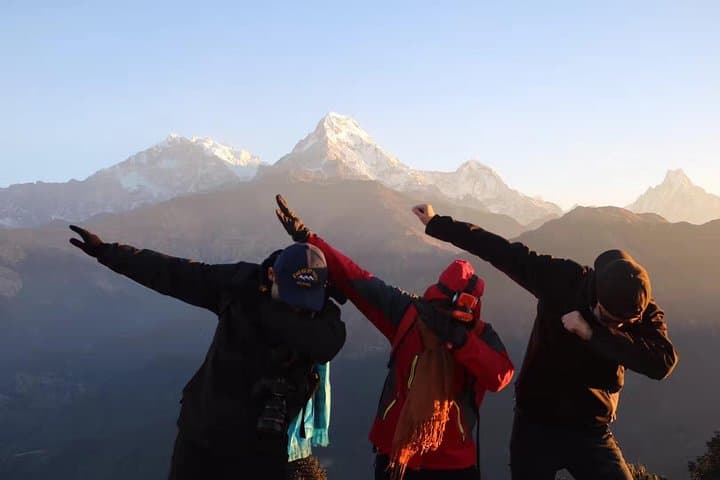
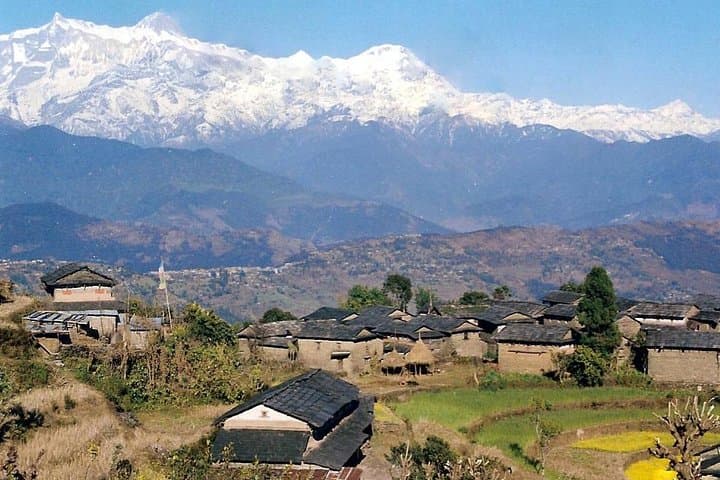
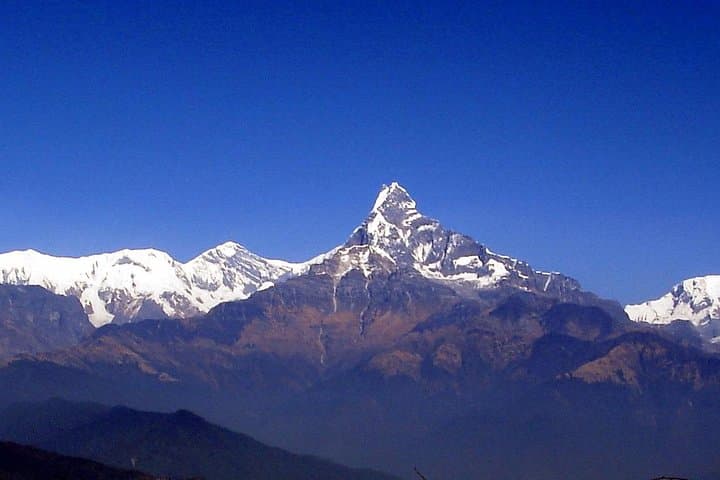
A cool mountain dawn breaks over the rim of the Pokhara valley as you step onto the Panchase ridge. The trail rises through terraced farms and rhododendron forest; each bend opens a new angle on the Annapurna range and the distinctive silhouette of Machapuchare (Fishtail). By midday the valley below feels small, a patchwork of rice paddies and lakes, while distant glaciers hold their silent geometry.
A cool mountain dawn breaks over the rim of the Pokhara valley as you step onto the Panchase ridge. The trail rises through terraced farms and rhododendron forest; each bend opens a new angle on the Annapurna range and the distinctive silhouette of Machapuchare (Fishtail). By midday the valley below feels small, a patchwork of rice paddies and lakes, while distant glaciers hold their silent geometry.
Panchase sits on a limestone ridge that divides Pokhara valley from the Modi River basin. Locals have long used the trail for seasonal grazing and trade; tea houses and simple guesthouses now host trekkers on overnight stays. Geologically the ridge offers gentle slopes and compacted dirt tracks—no technical climbing required, but expect uneven sections and stone steps carved by centuries of foot traffic.
Culturally you’ll pass Gurung villages where stone houses and prayer flags mark a Himalayan rhythm of life. Guides often point out local shrines and explain agricultural cycles tied to monsoon rains. Wildflowers and rhododendron color the spring slopes; Himalayan birdlife and occasional langur sightings add texture to the walk.
Practical guidance: average daily hiking is 3–6 hours on trails that gain and lose several hundred meters; the highest point sits around 2,070 m. Bring layered clothing for cool mornings, a rain shell for sudden showers, and sturdy footwear for muddy or rocky steps. Water and snacks are available at lodges, but carry a refillable bottle. Plan the trek over three days from Pokhara to Panchase Bhanjyang, overnight in village lodges, and return via Naudanda—timed to give you sunrise or sunset views of the Annapurnas.