THE ADVENTURE COLLECTIVE® · Independent discovery and booking for outdoor travel

A compact three-day trek from Pokhara to Panchase Hill delivers Himalayan sunrises, ridge-top forests, and village teahouse culture. Perfect for hikers with moderate fitness who want panoramic views without high-altitude complications.
A compact three-day trek from Pokhara to Panchase Hill delivers Himalayan sunrises, ridge-top forests, and village teahouse culture. Perfect for hikers with moderate fitness who want panoramic views without high-altitude complications.
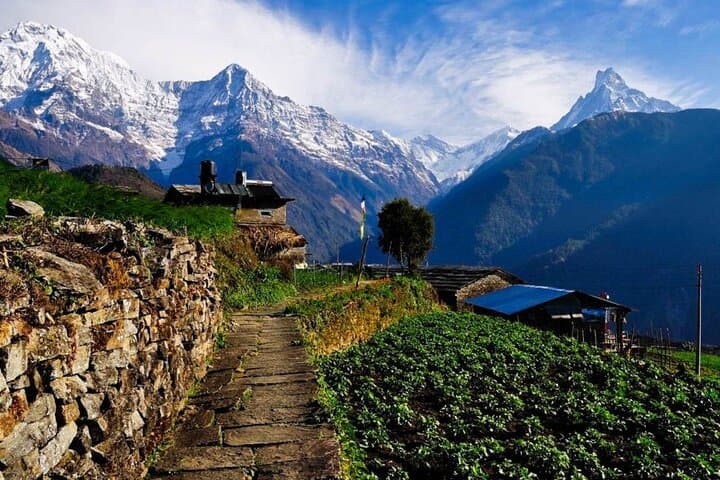
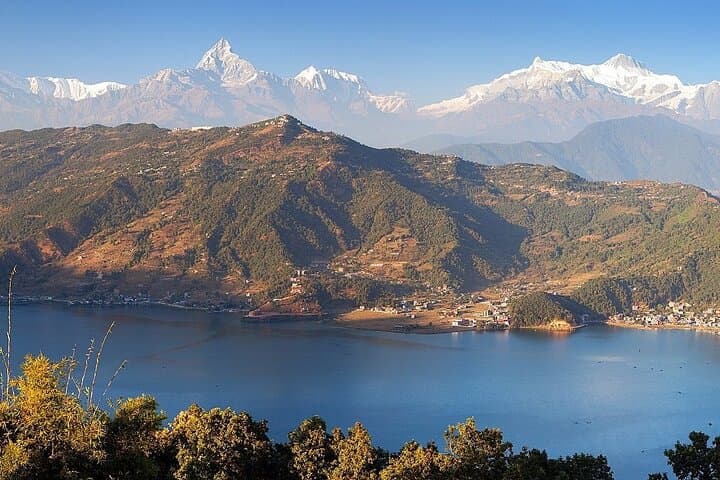
Dawn arrives cool and thin on Panchase Hill. You leave the teahouse in headlamp light, the trail a ribbon of stone and roots cutting through rhododendron stands. By the time you crest the last ridge, the Annapurna and Dhaulagiri massifs glow from slate to fire—an immediate, hard-edged panorama that rewards every uphill step.
Verified experiences and guided adventures in the surrounding area.
Operated by Worldwide Tourism Inc - Highly Recommended Travel Company · Pokhara, Gandaki Province
Dawn arrives cool and thin on Panchase Hill. You leave the teahouse in headlamp light, the trail a ribbon of stone and roots cutting through rhododendron stands. By the time you crest the last ridge, the Annapurna and Dhaulagiri massifs glow from slate to fire—an immediate, hard-edged panorama that rewards every uphill step.
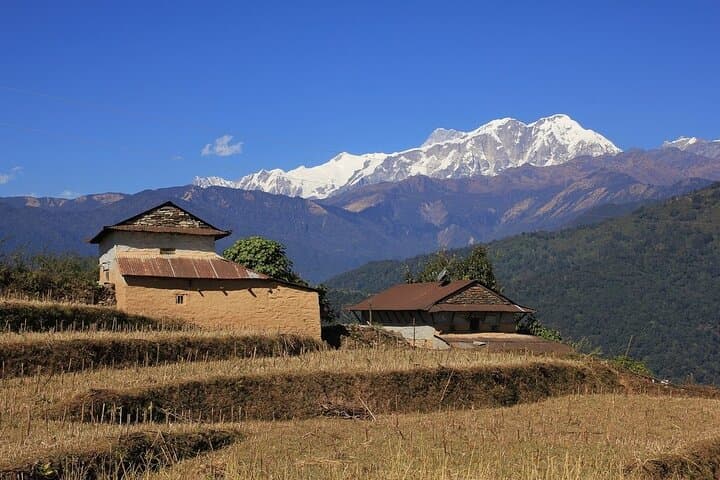
Panchase sits on a forested ridge west of Pokhara, a meeting place of Gurung and Magar villages and a modest pilgrimage site with small temples and memorials. Geologically it’s a lower Himalayan ridge—rounded, heavily forested, with fertile terraces that support rice and millet cultivation. Culture here is hands-on: tea houses, local guides, and villagers who still tend yak pastures and seasonal crops.
The route mixes forested climbs, terrace-top trail, and short steep pitches; expect paths of packed earth, stone steps, and occasional muddy stretches after rain. Accommodation is in teahouses—basic rooms and hot meals. The trek is ideal for travelers with moderate fitness who want a compact, high-reward outing without high-altitude logistics.
Practical guidance: start early for the summit sunrise, carry layers for cold mornings and sun during the day, and bring cash for teahouses. Hydrate and pace the ascents—there are no technical sections, but the repeated climbs add up. Respect local customs, pack out non-biodegradable waste, and tip guides and hosts who sustain this low-impact trail.
moderate.
3 days.
Suitable for hikers with regular cardio and leg-strength training; expect multiple sustained uphill sections each day.
No special trekking permits are required for the Panchase ridge; standard travel documents and local guide arrangements suffice.
Expect 4–6 hours of mixed climbing and descending each day with accumulated elevation—moderate fitness is recommended.
Yes—rooms are simple with shared facilities in many places; hot meals are available but variety can be limited in remote teahouses.
Panchase reaches about 2,500m—most healthy travelers acclimatize fine, but monitor symptoms and ascend slowly if sensitive to altitude.
Panchase has cultural importance to Gurung and Magar communities and hosts small temples used for local rituals and seasonal festivals.
Trails are vulnerable to erosion and waste; stick to established paths, use teahouse facilities respectfully, and pack out non-biodegradable trash to protect fragile ridge ecosystems.
Worldwide Tourism Inc - Highly Recommended Travel Company operates guided outdoor trips and adventures with an emphasis on safety, stewardship, and memorable experiences.
Dawn arrives cool and thin on Panchase Hill. You leave the teahouse in headlamp light, the trail a ribbon of stone and roots cutting through rhododendron stands. By the time you crest the last ridge, the Annapurna and Dhaulagiri massifs glow from slate to fire—an immediate, hard-edged panorama that rewards every uphill step.
Dawn arrives cool and thin on Panchase Hill. You leave the teahouse in headlamp light, the trail a ribbon of stone and roots cutting through rhododendron stands. By the time you crest the last ridge, the Annapurna and Dhaulagiri massifs glow from slate to fire—an immediate, hard-edged panorama that rewards every uphill step.
Panchase sits on a forested ridge west of Pokhara, a meeting place of Gurung and Magar villages and a modest pilgrimage site with small temples and memorials. Geologically it’s a lower Himalayan ridge—rounded, heavily forested, with fertile terraces that support rice and millet cultivation. Culture here is hands-on: tea houses, local guides, and villagers who still tend yak pastures and seasonal crops.
The route mixes forested climbs, terrace-top trail, and short steep pitches; expect paths of packed earth, stone steps, and occasional muddy stretches after rain. Accommodation is in teahouses—basic rooms and hot meals. The trek is ideal for travelers with moderate fitness who want a compact, high-reward outing without high-altitude logistics.
Practical guidance: start early for the summit sunrise, carry layers for cold mornings and sun during the day, and bring cash for teahouses. Hydrate and pace the ascents—there are no technical sections, but the repeated climbs add up. Respect local customs, pack out non-biodegradable waste, and tip guides and hosts who sustain this low-impact trail.