THE ADVENTURE COLLECTIVE® · Independent discovery and booking for outdoor travel

A compact, private three-day tour that combines the engineering spectacle of the Panama Canal with Casco Viejo’s colonial streets, a wildlife-focused boat trip to Monkey Island, and a cultural visit to an Embera village. Ideal for travelers who want nature, history and living culture in one itinerary.
A compact, private three-day tour that combines the engineering spectacle of the Panama Canal with Casco Viejo’s colonial streets, a wildlife-focused boat trip to Monkey Island, and a cultural visit to an Embera village. Ideal for travelers who want nature, history and living culture in one itinerary.
On arrival in Panama City the air carries a mix of diesel from the ships and the green, humid scent of nearby rainforest. The first morning places travelers on the Miraflores observation decks, where the Panama Canal’s locks move like a giant, mechanical tide—ships inching through a waterway carved by geology and human will.
Verified experiences and guided adventures in the surrounding area.
Operated by Panamanian Aventures · Panama City, Panamá Province
On arrival in Panama City the air carries a mix of diesel from the ships and the green, humid scent of nearby rainforest. The first morning places travelers on the Miraflores observation decks, where the Panama Canal’s locks move like a giant, mechanical tide—ships inching through a waterway carved by geology and human will.
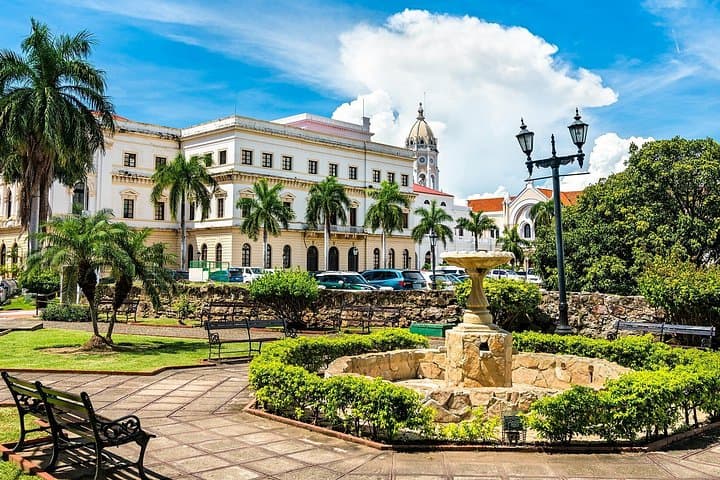
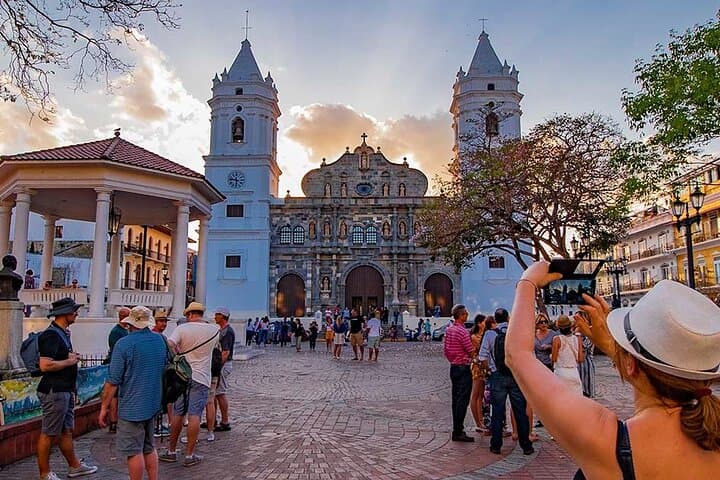
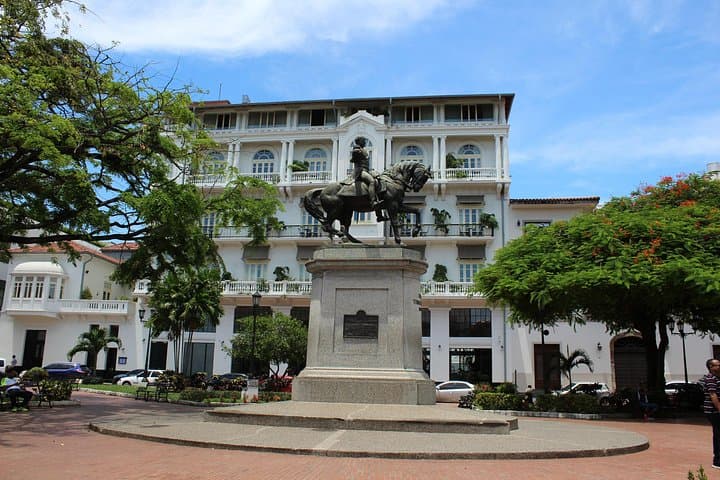
History follows at Casco Viejo: narrow streets and layered architecture that speak to Spanish colonial life, French ambition and U.S. influence tied to the Canal era. East of the city the land falls into low, mangrove-lined coasts and the Gatun Lake system, a man-made feature whose dams and channels reshaped terrestrial ecosystems and trade routes.
Day two’s boat trip across Gatun Lake shifts the rhythm—rainforest cliffs seem to lean toward the water, and monkey calls punctuate the air as guides point out mantled howlers and white-faced capuchins on small forested islets. Soberanía and the Summit Botanical Garden provide a contrast of curated conservation and raw jungle biodiversity. The third day brings a cultural turn: an Embera community visit, traditional dances, and a river-fed waterfall where local knowledge explains food, craft and river stewardship.
Practical edge: expect short, mostly easy walks, multiple boat transfers and humid conditions; pack lightweight rain gear, sturdy shoes, and insect protection. Timing matters—early starts increase wildlife sightings and reduce midday heat. Respect local customs, keep distance from wildlife, and bring cash for crafts and tips. The itinerary is private and accessible for most fitness levels, offering an efficient way to combine engineering history, wild Panama and indigenous culture in three compact days.
easy.
3 days.
Suitable for most fitness levels; expect short, mostly flat walks, some stairs at viewpoints, and boat transfers.
Yes—operators note stroller access and infant seats are available; boat transfers are short but parents should consider supervision around water.
Routine travel vaccines are recommended; check for recommended vaccines and bring anti-diarrheal medication—drink bottled or purified water when advised.
Local lunch is provided and operators typically can accommodate dietary needs with advance notice—use the booking questions to specify restrictions.
Panama City’s modern skyline sits beside Casco Viejo, a district rebuilt after the 17th-century collapse of the original Panama Viejo and reshaped by Canal-era development in the 19th–20th centuries.
Soberanía and the Summit Botanical Garden play active roles in local conservation and rescue; visitors are asked not to feed wildlife, to stay on trails and to support community-based tourism to reduce pressure on fragile sites.
Panamanian Aventures operates guided outdoor trips and adventures with an emphasis on safety, stewardship, and memorable experiences.
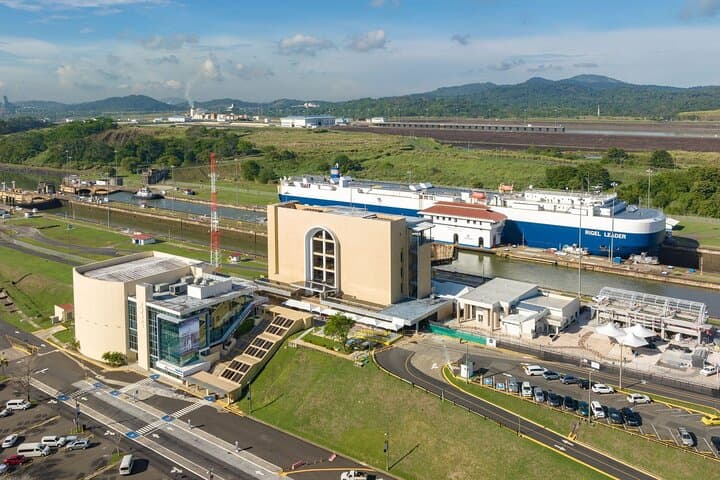
On arrival in Panama City the air carries a mix of diesel from the ships and the green, humid scent of nearby rainforest. The first morning places travelers on the Miraflores observation decks, where the Panama Canal’s locks move like a giant, mechanical tide—ships inching through a waterway carved by geology and human will.
On arrival in Panama City the air carries a mix of diesel from the ships and the green, humid scent of nearby rainforest. The first morning places travelers on the Miraflores observation decks, where the Panama Canal’s locks move like a giant, mechanical tide—ships inching through a waterway carved by geology and human will.
History follows at Casco Viejo: narrow streets and layered architecture that speak to Spanish colonial life, French ambition and U.S. influence tied to the Canal era. East of the city the land falls into low, mangrove-lined coasts and the Gatun Lake system, a man-made feature whose dams and channels reshaped terrestrial ecosystems and trade routes.
Day two’s boat trip across Gatun Lake shifts the rhythm—rainforest cliffs seem to lean toward the water, and monkey calls punctuate the air as guides point out mantled howlers and white-faced capuchins on small forested islets. Soberanía and the Summit Botanical Garden provide a contrast of curated conservation and raw jungle biodiversity. The third day brings a cultural turn: an Embera community visit, traditional dances, and a river-fed waterfall where local knowledge explains food, craft and river stewardship.
Practical edge: expect short, mostly easy walks, multiple boat transfers and humid conditions; pack lightweight rain gear, sturdy shoes, and insect protection. Timing matters—early starts increase wildlife sightings and reduce midday heat. Respect local customs, keep distance from wildlife, and bring cash for crafts and tips. The itinerary is private and accessible for most fitness levels, offering an efficient way to combine engineering history, wild Panama and indigenous culture in three compact days.