THE ADVENTURE COLLECTIVE® · Independent discovery and booking for outdoor travel

Sharpen lifesaving skills on Koh Chang with a focused three-day PADI Rescue Diver and Emergency First Response package—classroom theory, confined-water drills and open-water rescue scenarios that build competence and confidence.
Sharpen lifesaving skills on Koh Chang with a focused three-day PADI Rescue Diver and Emergency First Response package—classroom theory, confined-water drills and open-water rescue scenarios that build competence and confidence.
The day begins on a low wooden jetty as a warm breeze carries the smell of salt and fresh-cut fish; instructors call roll while longtail boats rock against the hull and a nearby headland juts from the sea like a green, watchful fist.
Verified experiences and guided adventures in the surrounding area.
Operated by Dolphin Divers · Koh Chang, Trat
The day begins on a low wooden jetty as a warm breeze carries the smell of salt and fresh-cut fish; instructors call roll while longtail boats rock against the hull and a nearby headland juts from the sea like a green, watchful fist.
Koh Chang’s coastline—formed from older igneous and metamorphic rock rather than coral atolls—drops quickly into deep water, creating the variable dive conditions that make rescue training invaluable. The island’s fishing villages and small dive shops reflect a practical maritime culture: resourceful, safety-minded, and skilled at reading tides and currents.
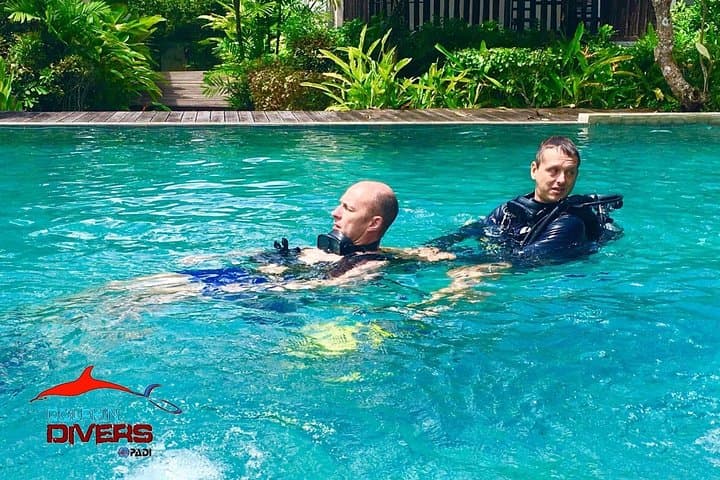
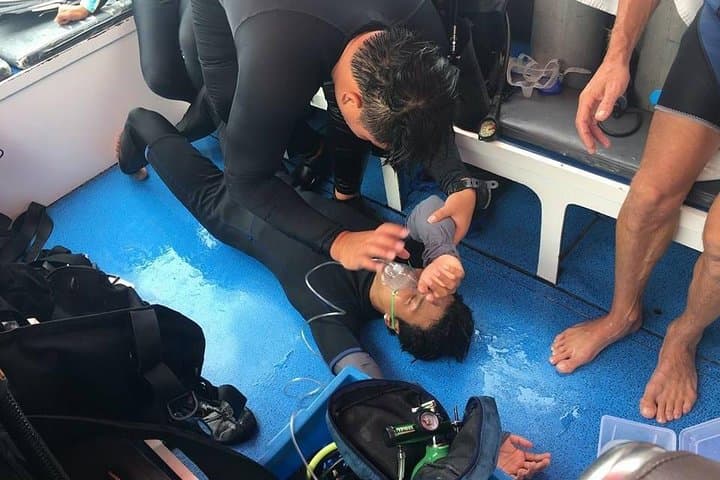
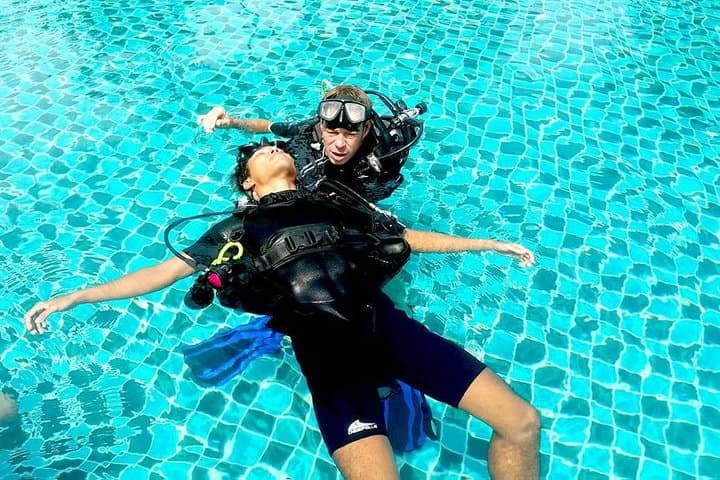
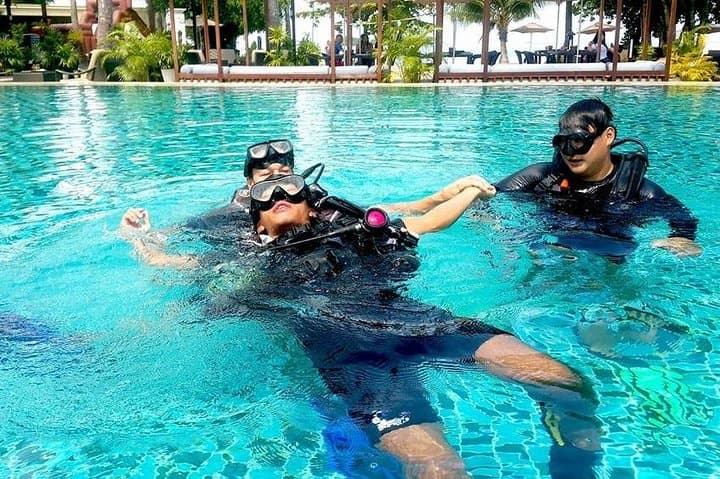
The three-day package combines Emergency First Response (EFR) with the PADI Rescue Diver curriculum. You’ll practice self-rescue, stress recognition, in-water tows, panicked diver interventions and unresponsive diver scenarios, plus CPR and AED familiarization. Expect classroom theory, confined-water drills, and open-water exercises staged from shore and boat.
Practical guidance: come rested and hydrated; the course is physically demanding and simulates high-stress rescues. Bring a current logbook and certification cards—Open Water certification is required before enrollment. The organizers usually supply dive gear and provide local pickup; weather windows in the monsoon season can alter schedules, so build a buffer day into travel plans.
The value is tangible: beyond certification, most divers leave with sharper situational awareness, more confident buddy skills, and an understanding of emergency care that applies on and off the water. For anyone who plans frequent diving in Southeast Asia’s variable seas, this course converts good intentions into practiced capability.
challenging.
3 days (approx. 72 hours total onboard and classroom).
Moderate to high: comfortable swimming, able to perform repeated surface swims and treading water; good stamina for rescue drills.
Yes—PADI Rescue Diver requires prior Open Water Diver certification or equivalent; EFR can be completed during the package if needed.
Yes—expect strenuous surface swims, tows and repeated in-water drills; a moderate-to-high fitness level is recommended.
Most providers include rental diving equipment and provide classroom materials, but personal items like masks are recommended for comfort.
Some students can receive college credit or count the Rescue Diver toward professional PADI ratings—ask the instructor or provider for local accreditation details.
Koh Chang—literally “Elephant Island”—has long been a fishing and logging outpost; its modern dive community grew as tourism expanded in the late 20th century.
Local operators often support reef cleanups and limit group sizes for training dives; respectful finning and proper buoyancy reduce diver impact on reefs.
Dolphin Divers operates guided outdoor trips and adventures with an emphasis on safety, stewardship, and memorable experiences.
The day begins on a low wooden jetty as a warm breeze carries the smell of salt and fresh-cut fish; instructors call roll while longtail boats rock against the hull and a nearby headland juts from the sea like a green, watchful fist.
The day begins on a low wooden jetty as a warm breeze carries the smell of salt and fresh-cut fish; instructors call roll while longtail boats rock against the hull and a nearby headland juts from the sea like a green, watchful fist.
Koh Chang’s coastline—formed from older igneous and metamorphic rock rather than coral atolls—drops quickly into deep water, creating the variable dive conditions that make rescue training invaluable. The island’s fishing villages and small dive shops reflect a practical maritime culture: resourceful, safety-minded, and skilled at reading tides and currents.
The three-day package combines Emergency First Response (EFR) with the PADI Rescue Diver curriculum. You’ll practice self-rescue, stress recognition, in-water tows, panicked diver interventions and unresponsive diver scenarios, plus CPR and AED familiarization. Expect classroom theory, confined-water drills, and open-water exercises staged from shore and boat.
Practical guidance: come rested and hydrated; the course is physically demanding and simulates high-stress rescues. Bring a current logbook and certification cards—Open Water certification is required before enrollment. The organizers usually supply dive gear and provide local pickup; weather windows in the monsoon season can alter schedules, so build a buffer day into travel plans.
The value is tangible: beyond certification, most divers leave with sharper situational awareness, more confident buddy skills, and an understanding of emergency care that applies on and off the water. For anyone who plans frequent diving in Southeast Asia’s variable seas, this course converts good intentions into practiced capability.