THE ADVENTURE COLLECTIVE® · Independent discovery and booking for outdoor travel

Three days on the Pacuare combine class II–IV whitewater with rainforest hikes and lodge nights. Expect big rapids, guided safety briefings, waterfall swims and close encounters with tropical birds.
Three days on the Pacuare combine class II–IV whitewater with rainforest hikes and lodge nights. Expect big rapids, guided safety briefings, waterfall swims and close encounters with tropical birds.
The raft noses into an emerald slot of canyon and the Pacuare dares you forward — churning, then easing into a wide beach where the jungle exhales. Over three days the river alternates between heart-pumping drops and long, quiet pools; nights belong to frogs and the constant hiss of water against volcanic rock.
Verified experiences and guided adventures in the surrounding area.
Operated by Tropical Rivers · Siquirres, Limón
The raft noses into an emerald slot of canyon and the Pacuare dares you forward — churning, then easing into a wide beach where the jungle exhales. Over three days the river alternates between heart-pumping drops and long, quiet pools; nights belong to frogs and the constant hiss of water against volcanic rock.
Geology here is loud in slow motion: steep, tectonic-cut canyon walls, sedimentary terraces and boulders scoured by centuries of rain. The Pacuare corridor runs from the Talamanca highlands toward the Caribbean plain, carving habitats that sustained indigenous Bribri and Cabécar communities long before rafting became common. Local culture is pragmatic and river-literate; guides mix technical skill with knowledge of medicinal plants and bird calls.
Days one and three focus on whitewater — class II–IV rapids like Huacas and Dos Montañas — with guided safety briefings and assisted boat control. Day two is low tempo: guided hikes on private reserve trails, freshwater pools and waterfall swims, plus lodge meals and hammocks. Wildlife sightings commonly include toucans, oropendolas, sloths and morpho butterflies; mornings bring the best light for birds.
Practical guidance: arrive in San José with sturdy river shoes, a lightweight dry bag and baseline fitness — expect stretches of hiking and paddle power. Weather changes fast; pack a light rain shell and quick-dry layers. Hydrate before rapids and follow guide commands on entry and exit — they run the safety rope and rescue plan. The experience balances adrenaline and quiet: come prepared to move, and to listen to a river that never stops telling its story.
challenging.
3 days (approx. 72 hours).
Recommend moderate to high fitness: ability to paddle for bursts, handle hiking up to a few miles, and climb in/out of rafts.
Price typically includes hotel pick-up from San José area, all meals listed, lodge accommodation, rafting guides, safety gear and scheduled transfers.
No — guides provide instruction and most rapids are run with guided safety protocols, but participants should be comfortable swimming and have moderate fitness.
Not recommended for pregnant travelers or those with serious heart or spinal conditions; operators often require a minimum level of fitness and may set age limits.
Operators may cancel or reschedule for safety in heavy rain or high-water conditions; check the cancellation policy for refund windows.
The Pacuare corridor has long been a resource route for indigenous groups and later a passage for settlers; its canyon reflects volcanic uplift and heavy tropical erosion.
The river basin is sensitive to deforestation and river pollution; operators emphasize leave-no-trace practices and many work with local reserves to protect watershed integrity.
Tropical Rivers operates guided outdoor trips and adventures with an emphasis on safety, stewardship, and memorable experiences.
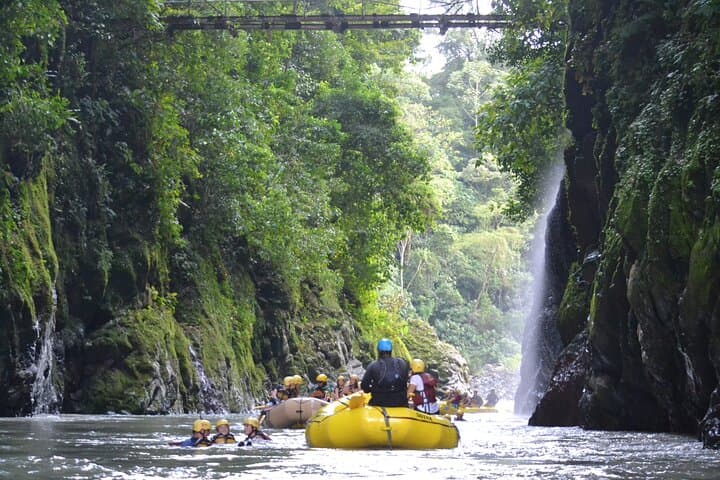
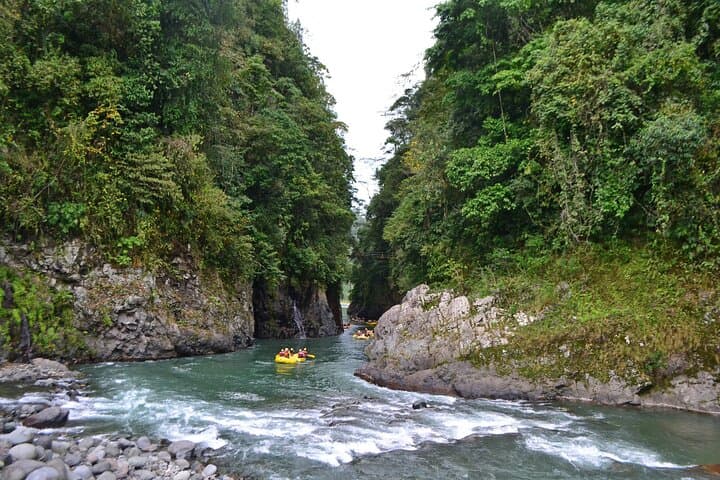
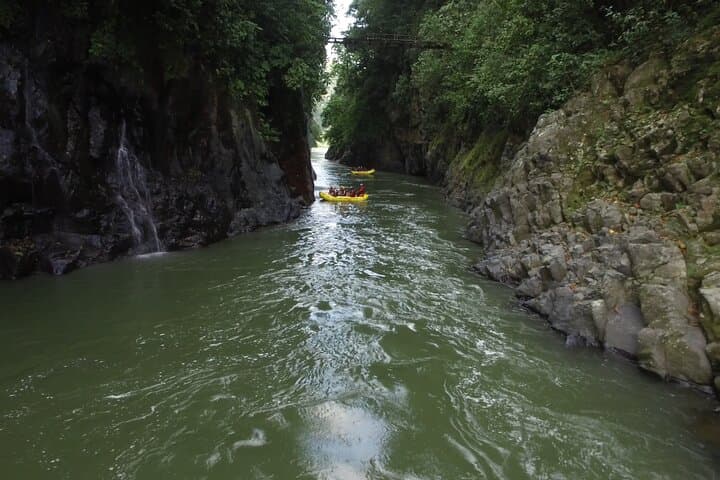
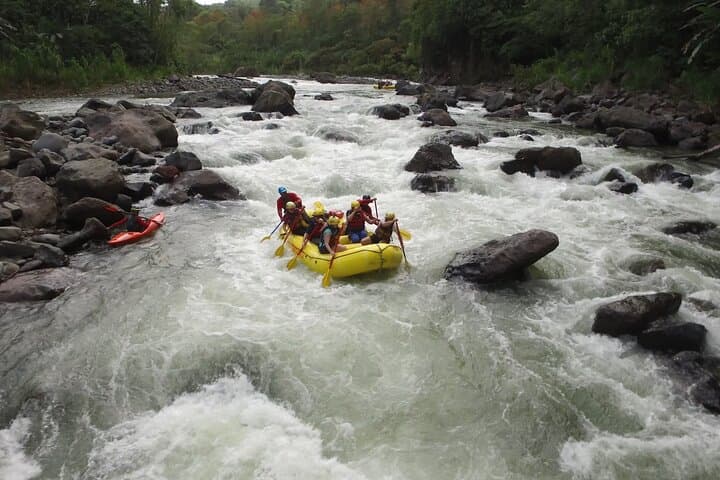
The raft noses into an emerald slot of canyon and the Pacuare dares you forward — churning, then easing into a wide beach where the jungle exhales. Over three days the river alternates between heart-pumping drops and long, quiet pools; nights belong to frogs and the constant hiss of water against volcanic rock.
The raft noses into an emerald slot of canyon and the Pacuare dares you forward — churning, then easing into a wide beach where the jungle exhales. Over three days the river alternates between heart-pumping drops and long, quiet pools; nights belong to frogs and the constant hiss of water against volcanic rock.
Geology here is loud in slow motion: steep, tectonic-cut canyon walls, sedimentary terraces and boulders scoured by centuries of rain. The Pacuare corridor runs from the Talamanca highlands toward the Caribbean plain, carving habitats that sustained indigenous Bribri and Cabécar communities long before rafting became common. Local culture is pragmatic and river-literate; guides mix technical skill with knowledge of medicinal plants and bird calls.
Days one and three focus on whitewater — class II–IV rapids like Huacas and Dos Montañas — with guided safety briefings and assisted boat control. Day two is low tempo: guided hikes on private reserve trails, freshwater pools and waterfall swims, plus lodge meals and hammocks. Wildlife sightings commonly include toucans, oropendolas, sloths and morpho butterflies; mornings bring the best light for birds.
Practical guidance: arrive in San José with sturdy river shoes, a lightweight dry bag and baseline fitness — expect stretches of hiking and paddle power. Weather changes fast; pack a light rain shell and quick-dry layers. Hydrate before rapids and follow guide commands on entry and exit — they run the safety rope and rescue plan. The experience balances adrenaline and quiet: come prepared to move, and to listen to a river that never stops telling its story.