THE ADVENTURE COLLECTIVE® · Independent discovery and booking for outdoor travel

Float into Pacaya‑Samiria’s flooded forests on a three‑day camping trip from Iquitos. Expect motorboat travel, canoeing, nighttime wildlife searches and close encounters with pink dolphins and river otters.
Float into Pacaya‑Samiria’s flooded forests on a three‑day camping trip from Iquitos. Expect motorboat travel, canoeing, nighttime wildlife searches and close encounters with pink dolphins and river otters.
You push off from Nauta before dawn, the motorboat cutting a silver path through flooded forest where tree trunks become pillars in the water.
Verified experiences and guided adventures in the surrounding area.
Operated by Amazon Explorer S.R.L · Iquitos, Loreto
You push off from Nauta before dawn, the motorboat cutting a silver path through flooded forest where tree trunks become pillars in the water.
For three days you travel the pulse of Pacaya‑Samiria National Reserve — one of the Amazon’s largest seasonally flooded landscapes — threading lagoons and blackwater channels in search of pink river dolphins, caimans and the slow shuffle of sloths. The reserve was created in the 1970s to protect floodplain forests and their rich fish and bird life. Geology here is flat and alluvial; the landscape is defined more by water level than elevation, with channels swelling in the rains and exposing sandy bars later in the year.
Local communities maintain a living culture of fishing, handicrafts and plant knowledge; guides often point out medicinal vines and the massive lupuna trees that store decades of flood history in their rings.
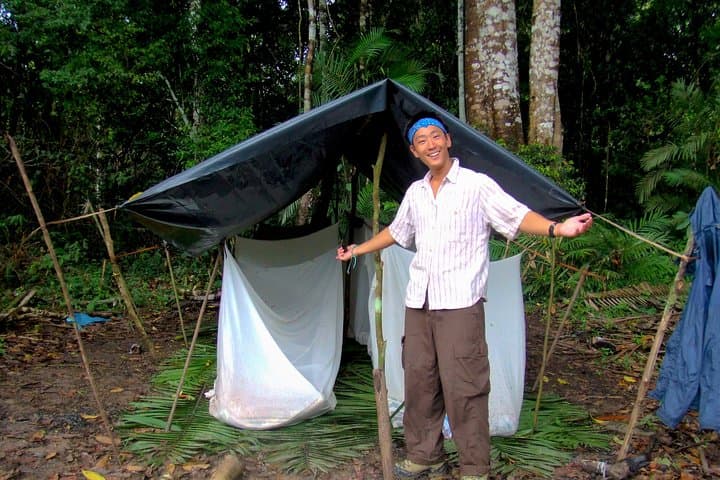
Practical guidance: the tour mixes motorboat transfers (2–3 hour legs), short hikes in terra firme, and canoeing in quieter channels. Expect basic jungle camping—light mats, mosquito nets and shared facilities—and bring quick‑dry clothing, a reliable rain jacket and a headlamp. Hydration and water purification are essential; guides provide purified water but carry a backup purifier. Wildlife sightings are weather and season dependent: higher water typically concentrates animals in lagoons, making boat-based viewing productive.
Plan for warm, humid days and insect-heavy evenings; follow your guide’s instructions around wildlife and campsites to minimize impact. This is hands-on Amazon travel: simple comforts, close encounters, and a real sense of being on the river’s timetable.
moderate.
3 days.
Basic stamina for multiple boat transfers, short jungle hikes and overnight camping; comfortable mobility and balance for boarding small canoes.
Yes — the tour states that entrance permits to Pacaya‑Samiria are included in the itinerary.
The tour is described as suitable for all fitness levels, but participants should be comfortable with boat travel, basic camping and limited facilities.
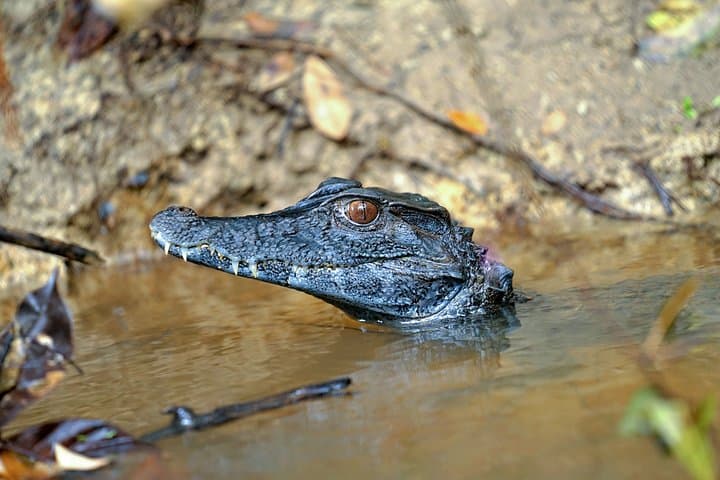
Common sightings include pink river dolphins, sloths, howler monkeys, herons and caimans; sightings are never guaranteed and vary with season and water level.
Consult a travel health clinic for recommended vaccines (e.g., yellow fever) and antimalarial advice; carry personal meds and a basic first‑aid kit.
Pacaya‑Samiria was established in the 1970s to protect seasonally flooded Amazonian ecosystems and the livelihoods of river communities.
Visitor numbers and entry permits help limit impact; follow guide instructions, avoid feeding wildlife, and pack out all non‑biodegradable waste.
Amazon Explorer S.R.L operates guided outdoor trips and adventures with an emphasis on safety, stewardship, and memorable experiences.
You push off from Nauta before dawn, the motorboat cutting a silver path through flooded forest where tree trunks become pillars in the water.
You push off from Nauta before dawn, the motorboat cutting a silver path through flooded forest where tree trunks become pillars in the water.
For three days you travel the pulse of Pacaya‑Samiria National Reserve — one of the Amazon’s largest seasonally flooded landscapes — threading lagoons and blackwater channels in search of pink river dolphins, caimans and the slow shuffle of sloths. The reserve was created in the 1970s to protect floodplain forests and their rich fish and bird life. Geology here is flat and alluvial; the landscape is defined more by water level than elevation, with channels swelling in the rains and exposing sandy bars later in the year.
Local communities maintain a living culture of fishing, handicrafts and plant knowledge; guides often point out medicinal vines and the massive lupuna trees that store decades of flood history in their rings.
Practical guidance: the tour mixes motorboat transfers (2–3 hour legs), short hikes in terra firme, and canoeing in quieter channels. Expect basic jungle camping—light mats, mosquito nets and shared facilities—and bring quick‑dry clothing, a reliable rain jacket and a headlamp. Hydration and water purification are essential; guides provide purified water but carry a backup purifier. Wildlife sightings are weather and season dependent: higher water typically concentrates animals in lagoons, making boat-based viewing productive.
Plan for warm, humid days and insect-heavy evenings; follow your guide’s instructions around wildlife and campsites to minimize impact. This is hands-on Amazon travel: simple comforts, close encounters, and a real sense of being on the river’s timetable.