THE ADVENTURE COLLECTIVE® · Independent discovery and booking for outdoor travel

A three-day guided loop from Ozette Lake to Cape Alava that pairs old-growth rainforest boardwalks with long sandy beach walks, tidepool exploration, and backcountry camping. Ideal for photographers and wildlife watchers—timing with tides and gear choices make the trip smooth.
A three-day guided loop from Ozette Lake to Cape Alava that pairs old-growth rainforest boardwalks with long sandy beach walks, tidepool exploration, and backcountry camping. Ideal for photographers and wildlife watchers—timing with tides and gear choices make the trip smooth.
You step off the boardwalk into a green hush—the forest presses close, ferns brushing your thighs, and the trail narrows toward a distant salt smell. By late afternoon the trees give way to sand; the Pacific opens up, a ragged line of sea stacks and dark kelp beds, waves daring you to linger at low tide.
Verified experiences and guided adventures in the surrounding area.
Operated by Lasting Adventures · Forks, Washington
You step off the boardwalk into a green hush—the forest presses close, ferns brushing your thighs, and the trail narrows toward a distant salt smell. By late afternoon the trees give way to sand; the Pacific opens up, a ragged line of sea stacks and dark kelp beds, waves daring you to linger at low tide.
This three-day guided loop follows the classic Ozette route: Ozette Lake to Sand Point, a beach traverse to Cape Alava (with petroglyphs near Wedding Rocks), then back through old-growth forest. Geologically the coast is a collision zone—uplifted sandstone, sea-carved stacks and tidepools rich with invertebrates. The Makah people lived on these shores for millennia; their petroglyphs and shell middens are important cultural reminders—treat them respectfully and photograph only from a distance.
Expect slow miles: day hikes of roughly 3–3.5 miles each, minimal elevation change but uneven terrain—boardwalks, rooty rainforest tread, and long stretches of sand that slow momentum. Wildlife sightings commonly include sea otters, harbor seals or sea lions, and migrating whales offshore in season. Tidal timing dictates exploration windows; guides plan camps and beach travel around low tides to keep you safe.
Practical notes: the trip is fully supported with meals and group gear; personal backpacks will contain clothing and sleeping items. Wear waterproof boots for forest sections and sturdy sandals for beach crossings, bring a reliable headlamp, and plan for wind and drizzle even in summer. Water sources are limited on the coast—carry a filter or enough treated water. The pace is deliberate, designed for photography and quiet beach time rather than fast miles—perfect for hikers who want to trade vertical gain for coastal drama.
moderate.
3 days.
Moderate fitness—able to carry a daypack and handle sandy, uneven terrain for 3–4 miles daily; guided support reduces pack weight.
Daily hikes are short—about 3 to 3.5 miles each day—designed around tide windows and exploration rather than distance.
Backcountry camping in Olympic National Park requires permits; guided trips handle permits and coordinate meeting at the Ozette Ranger Station.
Expect marine mammals like sea otters and seals, occasional sea lions, and seasonal whales offshore; birds common include shorebirds and raptors.
Yes—this guided trip suits novice backpackers with moderate fitness since guides handle logistics, but participants should be comfortable with tent camping and walking on sand.
The Ozette area is part of Makah ancestral lands; archaeological sites and petroglyphs near Cape Alava reflect centuries of coastal life and should be treated with care.
Stay on designated trails and campsites, pack out all waste, and avoid disturbing tidepool creatures; guided groups follow park regulations to minimize impact.
Lasting Adventures operates guided outdoor trips and adventures with an emphasis on safety, stewardship, and memorable experiences.
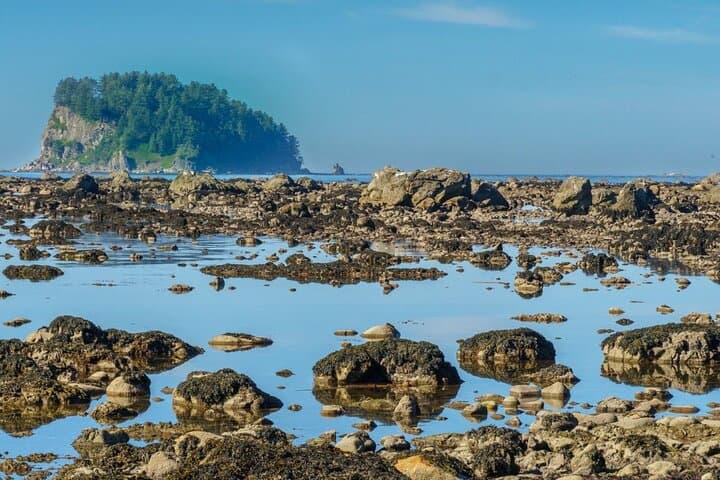
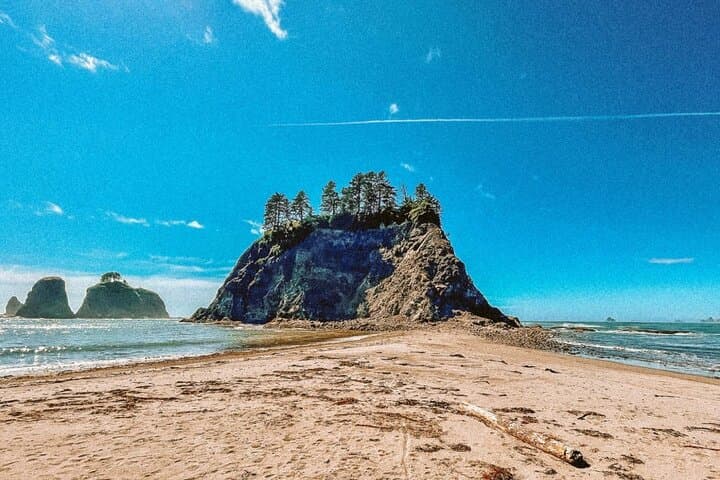
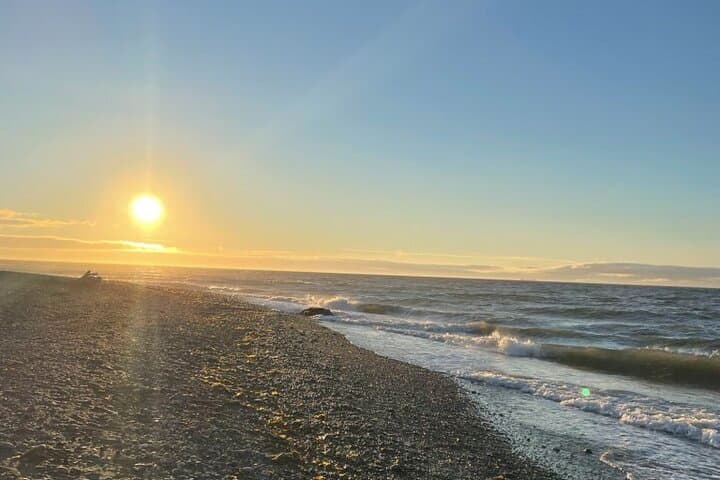
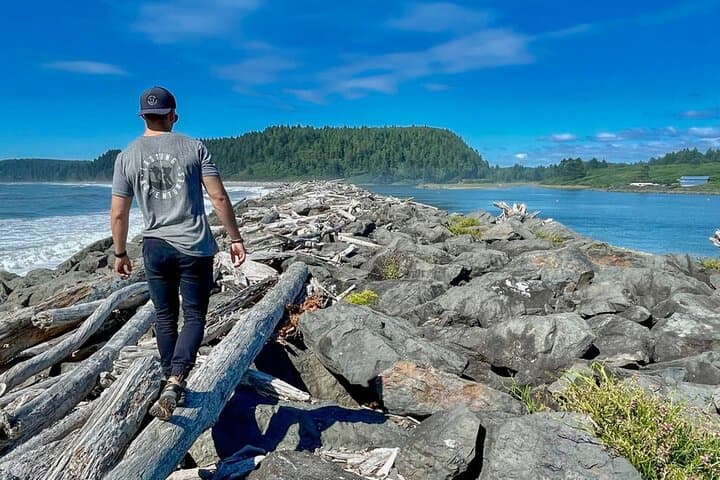
You step off the boardwalk into a green hush—the forest presses close, ferns brushing your thighs, and the trail narrows toward a distant salt smell. By late afternoon the trees give way to sand; the Pacific opens up, a ragged line of sea stacks and dark kelp beds, waves daring you to linger at low tide.
You step off the boardwalk into a green hush—the forest presses close, ferns brushing your thighs, and the trail narrows toward a distant salt smell. By late afternoon the trees give way to sand; the Pacific opens up, a ragged line of sea stacks and dark kelp beds, waves daring you to linger at low tide.
This three-day guided loop follows the classic Ozette route: Ozette Lake to Sand Point, a beach traverse to Cape Alava (with petroglyphs near Wedding Rocks), then back through old-growth forest. Geologically the coast is a collision zone—uplifted sandstone, sea-carved stacks and tidepools rich with invertebrates. The Makah people lived on these shores for millennia; their petroglyphs and shell middens are important cultural reminders—treat them respectfully and photograph only from a distance.
Expect slow miles: day hikes of roughly 3–3.5 miles each, minimal elevation change but uneven terrain—boardwalks, rooty rainforest tread, and long stretches of sand that slow momentum. Wildlife sightings commonly include sea otters, harbor seals or sea lions, and migrating whales offshore in season. Tidal timing dictates exploration windows; guides plan camps and beach travel around low tides to keep you safe.
Practical notes: the trip is fully supported with meals and group gear; personal backpacks will contain clothing and sleeping items. Wear waterproof boots for forest sections and sturdy sandals for beach crossings, bring a reliable headlamp, and plan for wind and drizzle even in summer. Water sources are limited on the coast—carry a filter or enough treated water. The pace is deliberate, designed for photography and quiet beach time rather than fast miles—perfect for hikers who want to trade vertical gain for coastal drama.