THE ADVENTURE COLLECTIVE® · Independent discovery and booking for outdoor travel

Three days traveling the Lower Omo Valley brings close encounters with Mursi lip plates, Hamer ceremonies, and Karo body art. Expect dusty roads, short cultural walks, and lodge stays while local guides translate ancient customs.
Three days traveling the Lower Omo Valley brings close encounters with Mursi lip plates, Hamer ceremonies, and Karo body art. Expect dusty roads, short cultural walks, and lodge stays while local guides translate ancient customs.
Dust lifts from the open road as an air-conditioned minivan eases out of Jinka and the heat of southern Ethiopia presses close. The Omo River, dark and slow, dares you to look deeper — its banks hold villages where painted faces and earned scarification read like living history.
Verified experiences and guided adventures in the surrounding area.
Operated by Guide to Addis · Jinka, Southern Nations, Nationalities, and Peoples' Region (SNNPR)
Dust lifts from the open road as an air-conditioned minivan eases out of Jinka and the heat of southern Ethiopia presses close. The Omo River, dark and slow, dares you to look deeper — its banks hold villages where painted faces and earned scarification read like living history.
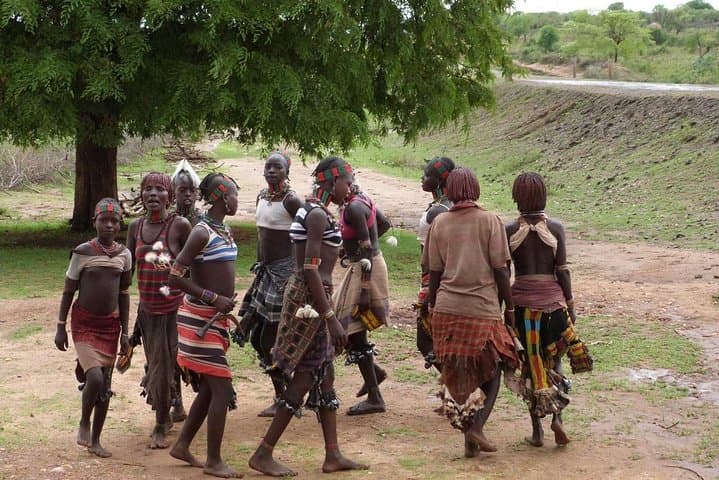
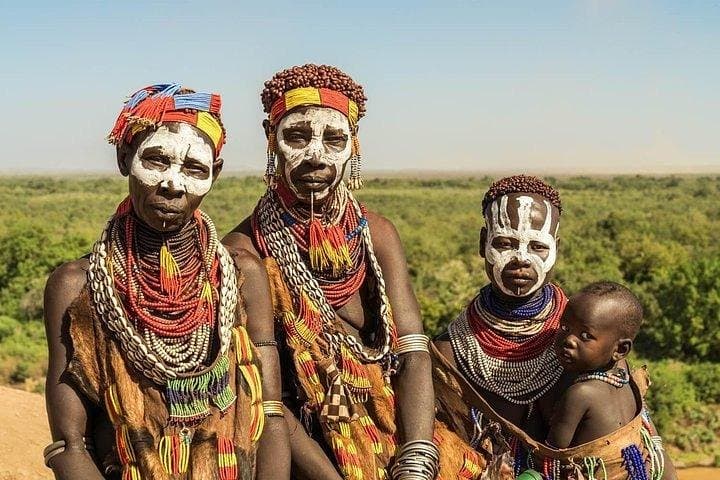
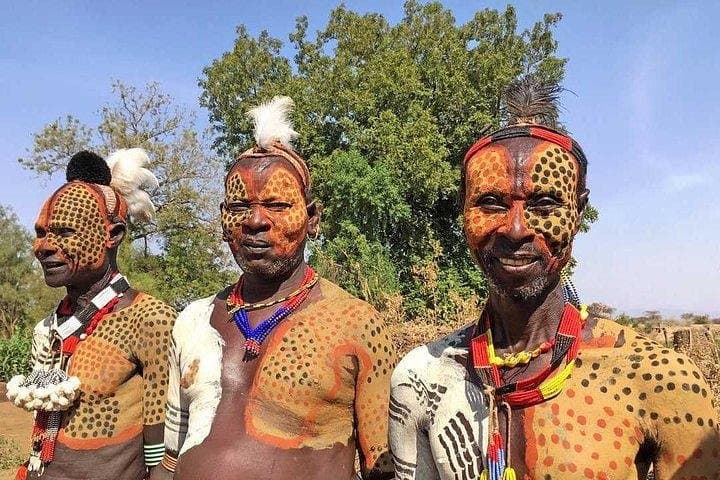
This three-day loop moves from Jinka’s ethnographic displays into the Lower Omo’s living cultures: Mursi women with lip plates, Hamer age-grade ceremonies, and the painted Karo who use ochre and chalk as language. Geologically the valley is carved by the Omo River, a lifeline that cut through volcanic highlands, exposing terraces and fossil-bearing beds that helped make the Omo Valley globally significant to paleoanthropology.
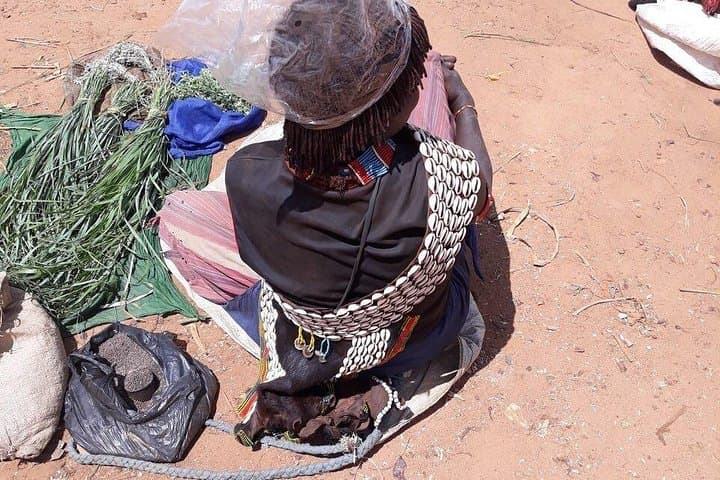
Culturally the trip is intimate: markets, ritual grounds, and household compounds reveal social structures built around cattle, age-sets, and seasonal flooding. Guides who grew up here translate body adornment and ritual into useful context while stressing photography etiquette and barter norms.
Practical guidance: expect dusty roads and short village walks on uneven basalt and sandy riverbanks; bring sturdy shoes, sun protection, and cash in small bills. Accommodations are basic lodges in Jinka and Turmi — plan for early starts to catch ceremonies in cooler hours. Hydrate often and carry a bandana for dust.
This tour is more about people than vistas: move deliberately, observe permissions before photographing, and use local guides to short-circuit cultural misunderstandings. With respect and preparation the Omo Valley offers a rare, direct encounter with some of the continent’s most distinct living traditions.
moderate.
3 days.
Moderate fitness—able to manage uneven village paths and several short walks each day
Consult a travel clinic—routine vaccines are recommended and anti-malarial advice varies by season and exact route.
Roads range from paved near Jinka to rough dirt between villages; expect long drives at low speeds and occasional bumpy stretches.
Basic food and bottled water are available in Jinka and Turmi; bring snacks for remote stretches between stops.
Families travel here but note long drives, limited facilities, and cultural sensitivity; infants should sit on laps per operator policy.
The Lower Omo Valley has been inhabited for millennia; exposed river terraces and nearby fossil sites contributed to major paleoanthropological discoveries.
Tourism can support local livelihoods but visitors should minimize waste, avoid purchasing sacred artifacts, and use certified local guides to ensure respectful, sustainable interactions.
Guide to Addis operates guided outdoor trips and adventures with an emphasis on safety, stewardship, and memorable experiences.
Dust lifts from the open road as an air-conditioned minivan eases out of Jinka and the heat of southern Ethiopia presses close. The Omo River, dark and slow, dares you to look deeper — its banks hold villages where painted faces and earned scarification read like living history.
Dust lifts from the open road as an air-conditioned minivan eases out of Jinka and the heat of southern Ethiopia presses close. The Omo River, dark and slow, dares you to look deeper — its banks hold villages where painted faces and earned scarification read like living history.
This three-day loop moves from Jinka’s ethnographic displays into the Lower Omo’s living cultures: Mursi women with lip plates, Hamer age-grade ceremonies, and the painted Karo who use ochre and chalk as language. Geologically the valley is carved by the Omo River, a lifeline that cut through volcanic highlands, exposing terraces and fossil-bearing beds that helped make the Omo Valley globally significant to paleoanthropology.
Culturally the trip is intimate: markets, ritual grounds, and household compounds reveal social structures built around cattle, age-sets, and seasonal flooding. Guides who grew up here translate body adornment and ritual into useful context while stressing photography etiquette and barter norms.
Practical guidance: expect dusty roads and short village walks on uneven basalt and sandy riverbanks; bring sturdy shoes, sun protection, and cash in small bills. Accommodations are basic lodges in Jinka and Turmi — plan for early starts to catch ceremonies in cooler hours. Hydrate often and carry a bandana for dust.
This tour is more about people than vistas: move deliberately, observe permissions before photographing, and use local guides to short-circuit cultural misunderstandings. With respect and preparation the Omo Valley offers a rare, direct encounter with some of the continent’s most distinct living traditions.